Is Cane’s Halal

Is Cane’s Halal or Haram? (2026 Complete Guide)

Is Cane’s Halal or Haram? In most locations, Raising Cane’s is generally considered not fully halal because the chicken served is typically not halal-certified and may not follow halal slaughter requirements. However, menu ingredients vary by supplier and region, so consumers should always check local information.

If you are asking “Is Cane’s halal?”, the safest answer is that most Raising Cane’s restaurants in the USA do not advertise halal-certified chicken.

Imagine you are out with friends after work in the USA or UK. Everyone decides to grab chicken fingers, fries, and a soft drink from Raising Cane’s. The food looks delicious, but then an important question comes to mind: Is Cane’s halal or haram?

This question has become increasingly common because more consumers are paying attention to food ingredients, sourcing, and preparation methods. While chicken itself can be halal, the way it is sourced, slaughtered, processed, and cooked determines whether it is permissible.

Many people assume that because Raising Cane’s serves chicken, it must automatically be halal. Unfortunately, it is not that simple. In this guide, we will explore Raising Cane’s ingredients, chicken sourcing, halal concerns, and whether it is suitable for halal-conscious consumers in the USA and UK.

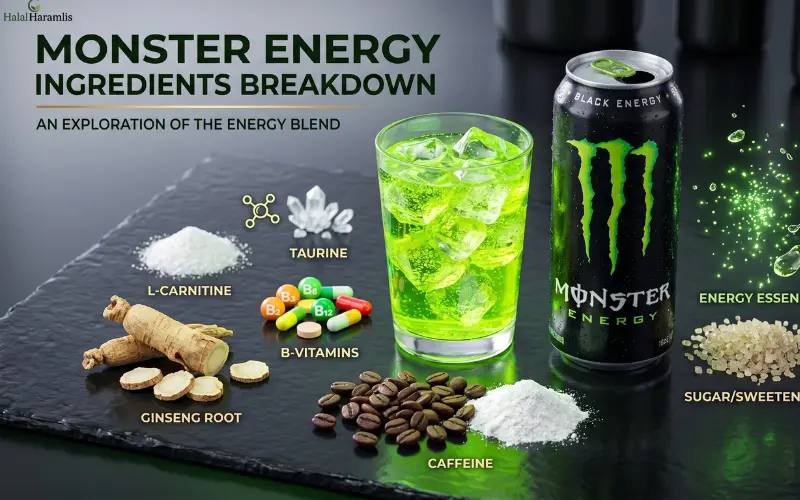
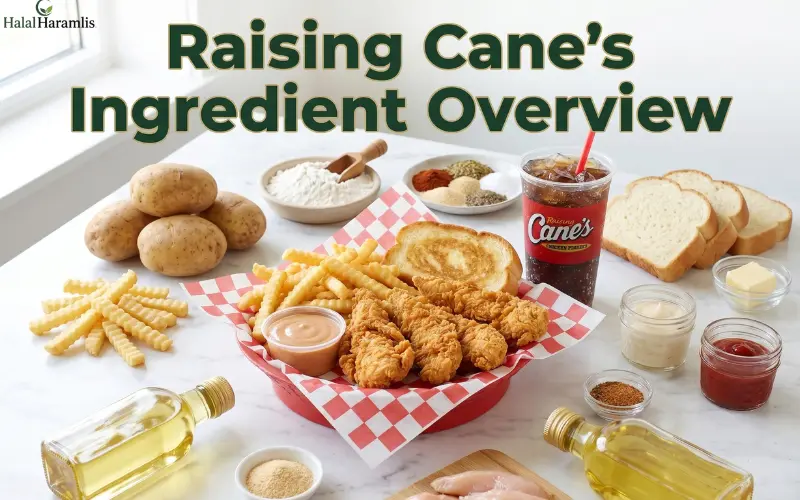
Raising Cane’s Ingredient Overview

Is Cane’s Halal

What Is Raising Cane’s?

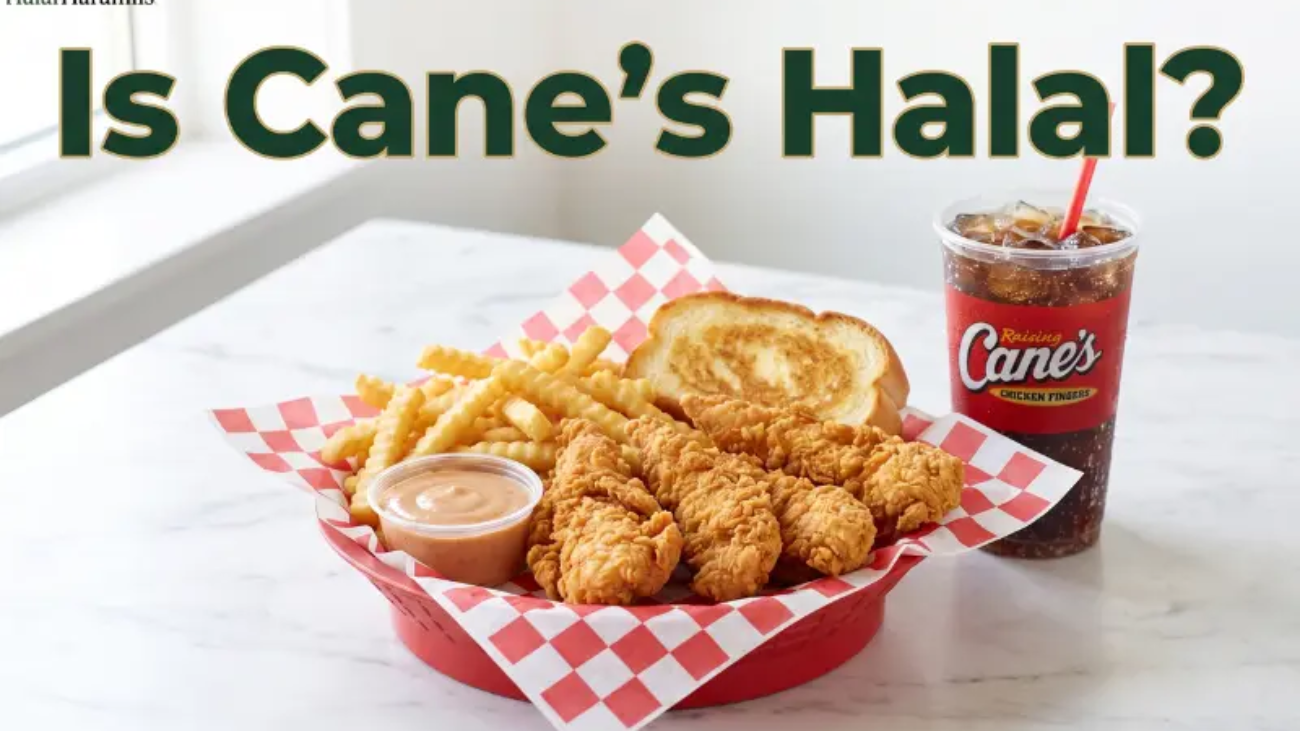
Raising Cane’s is a popular fast-food restaurant chain known primarily for its chicken finger meals.

The company focuses on a simple menu that includes:

  • Chicken fingers
  • French fries
  • Texas toast
  • Coleslaw
  • Cane’s sauce
  • Soft drinks

Unlike many large fast-food chains, Raising Cane’s keeps its menu relatively small. This simplicity is one reason the brand has become extremely popular throughout the United States.

Today, Raising Cane’s locations can be found in:

  • United States
  • Middle East selected regions
  • Other international markets

Because chicken is the main menu item, halal questions typically focus on chicken sourcing.

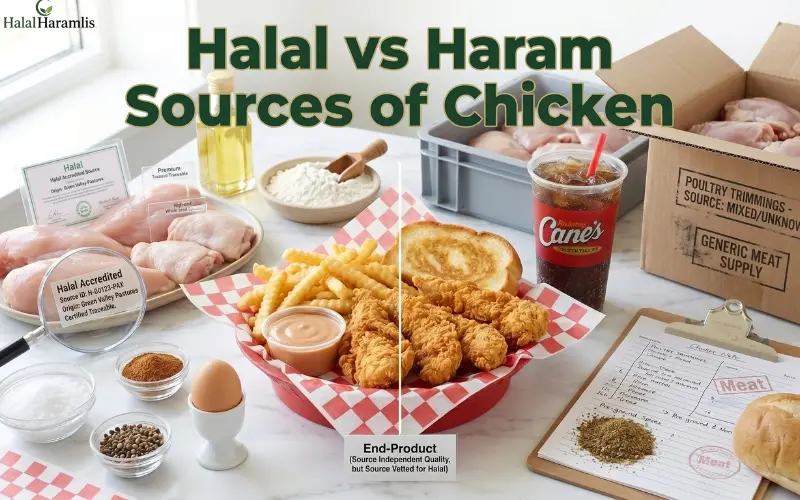
Halal vs Haram Sources of Chicken

Is Cane’s Halal

Is Cane’s Halal?

The short answer is usually no in most USA locations.

The primary concern is not the seasoning or breading. Instead, the concern is the source of the chicken itself.

For chicken to be considered halal, many halal consumers look for:

  • Halal-certified suppliers
  • Proper slaughter methods
  • Clear halal verification
  • Trusted certification

Most Raising Cane’s restaurants in the United States do not publicly market their chicken as halal-certified.

Because of this, many halal-conscious consumers choose not to eat the chicken.

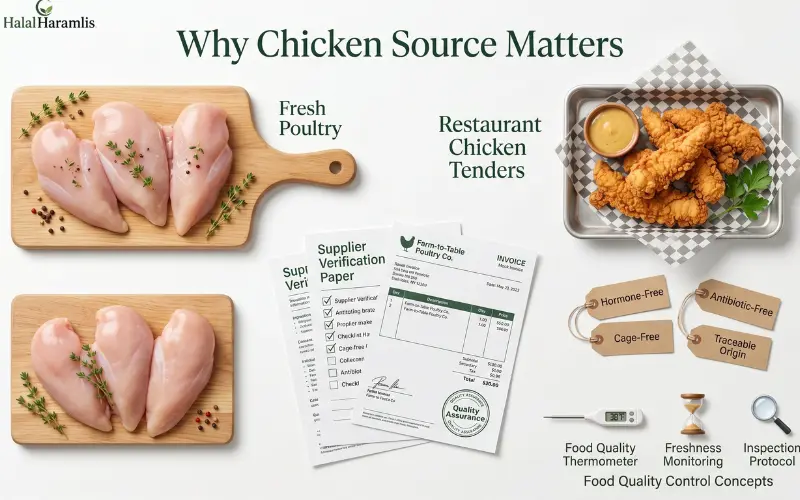
Why Chicken Source Matters

Is Cane’s Halal

Many people focus only on ingredients and forget about the meat source.

Chicken fingers may contain:

  • Chicken breast
  • Flour coating
  • Seasonings
  • Frying oil

Even if every seasoning ingredient is halal, the chicken itself remains the most important factor.

This is why many consumers first ask:

  • Is the chicken halal?
  • Is the supplier halal-certified?
  • Is there a halal logo?
  • Does the restaurant verify halal sourcing?

Without clear verification, many people remain cautious.

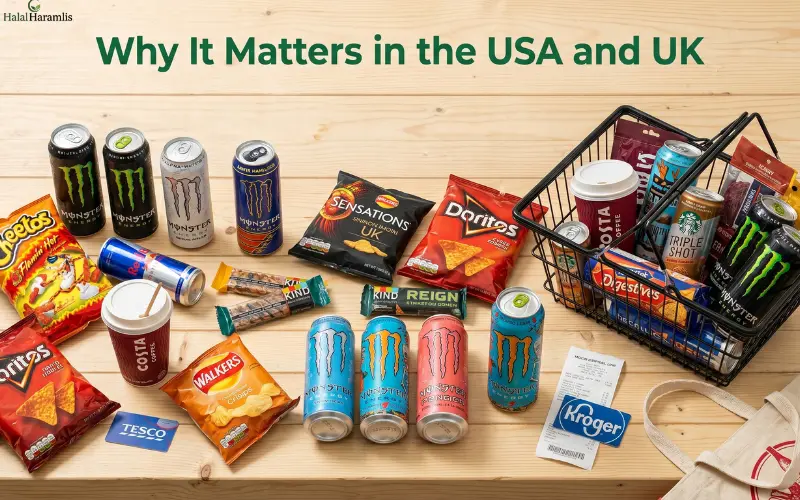
Why It Matters in the USA and UK

Consumers in the USA and UK often eat fast food regularly.

Popular chains include:

  • Raising Cane’s
  • KFC
  • Popeyes
  • Chick-fil-A
  • Wingstop
  • McDonald’s

The challenge is that halal policies vary significantly between chains.

Some locations may offer halal-certified meat, while others may not.

As a result, consumers cannot assume every chicken restaurant follows the same standards.

Products Sold at Raising Cane’s

Does Cane’s Use Halal Chicken?

This is the most common question.

Most Raising Cane’s locations do not advertise halal-certified chicken.

Because of this:

  • Many consumers do not consider Cane’s halal.
  • Others seek local confirmation.
  • Some international locations may have different suppliers.

The answer can therefore depend on country and restaurant location.

However, for most USA locations, halal certification is generally not promoted.

Ingredient-by-Ingredient Analysis

Chicken

Chicken is the biggest concern.

The halal status depends on:

  • Source
  • Slaughter method
  • Certification
  • Supplier verification

Flour Coating

The breading itself is usually not the issue.

Typical flour coatings contain:

  • Wheat flour
  • Salt
  • Spices

These ingredients are generally considered halal.

Cooking Oil

Most vegetable oils are halal.

However, consumers sometimes verify whether shared fryers are used for other products.

Cane’s Sauce

Cane’s Sauce contains several ingredients including mayonnaise and spices.

Most ingredients are generally halal, but consumers who want complete certainty may review the latest ingredient information.

Texas Toast

Texas Toast typically contains:

  • Bread
  • Butter
  • Garlic seasoning

These ingredients are generally considered halal.

Common Reasons People Think Cane’s Is Halal

Some consumers assume:

  1. Chicken automatically means halal.
  2. No pork means halal.
  3. Fast food chains use halal suppliers.
  4. All international locations follow the same standards.

These assumptions are not always correct.

Halal status depends on sourcing and certification, not just ingredients.

Common Reasons People Avoid Cane’s

Many consumers choose to avoid Cane’s because:

  • No clear halal certification
  • Chicken sourcing concerns
  • Lack of halal labeling
  • Regional supplier differences
  • Preference for certified halal restaurants

These concerns lead many people to seek alternative restaurants with verified halal meat.

Detailed Halal vs Haram Breakdown

Understanding the halal status of Raising Cane’s requires looking at more than just the ingredients. The biggest issue is the chicken source.

When Cane’s Could Be Considered Halal

A Raising Cane’s meal could potentially be halal if:

  • The chicken comes from a halal-certified supplier.
  • The chicken is slaughtered according to halal requirements.
  • The restaurant clearly verifies halal sourcing.
  • Cross-contamination with non-halal products is controlled.
  • A recognized halal certification body approves the supply chain.

When Cane’s Would Not Be Considered Halal

Many halal-conscious consumers consider Cane’s non-halal when:

  • The chicken is not halal-certified.
  • The slaughter method is unknown.
  • No halal verification is available.
  • Restaurant staff cannot confirm sourcing.
  • Official halal certification is absent.

Because most Raising Cane’s locations in the USA do not advertise halal-certified chicken, many consumers choose halal-certified alternatives instead.

Is Cane’s Halal in the USA?

This is one of the most searched questions online.

In the United States, Raising Cane’s generally does not market its chicken as halal-certified. While ingredients such as fries, toast, and soft drinks may not present major halal concerns, the chicken remains the key issue.

For consumers who require verified halal meat, most USA locations are usually not considered suitable without additional confirmation.

Things to Check

  • Local restaurant policies
  • Supplier information
  • Halal certification
  • Official statements
  • Regional sourcing differences

Is Cane’s Halal in the UK?

Raising Cane’s has a much smaller presence in the UK compared to the USA.

If Cane’s expands further into the UK, consumers should not assume the halal status is identical to American locations. Suppliers and sourcing may differ between countries.

Always check:

  • Local restaurant information
  • Official company statements
  • Halal certifications
  • Supplier verification

Are Cane’s Fries Halal?

Many consumers ask about the fries separately.

French fries are typically made from:

  • Potatoes
  • Vegetable oil
  • Salt

These ingredients are generally halal.

However, some consumers also investigate:

  • Shared fryers
  • Cross-contamination
  • Cooking procedures

The fries themselves are usually less concerning than the chicken.

Is Cane’s Sauce Halal?

Cane’s Sauce is one of the chain’s signature menu items.

The sauce typically contains ingredients such as:

  • Mayonnaise
  • Spices
  • Seasonings
  • Flavorings

Most consumers focus more on the chicken than the sauce.

Still, those seeking complete certainty often review ingredient information and certification details whenever available.

Why People Search “Is Cane’s Halal?”

The popularity of Raising Cane’s has increased dramatically in recent years.

Consumers search this question because they want to know:

  • Whether the chicken is halal
  • Whether certification exists
  • Whether the restaurant uses halal suppliers
  • Whether they can eat there confidently
  • Which menu items may be suitable

As halal awareness grows in the USA and UK, these questions continue to become more common.

Table : Safer Halal Alternatives

Best Halal-Friendly Alternatives to Cane’s

If you prefer verified halal options, consider:

Local Halal Restaurants

Many cities in the USA and UK now have halal-certified chicken restaurants.

Benefits include:

  • Verified sourcing
  • Halal certification
  • Transparent ingredients

Certified Halal Chains

Some restaurant chains offer halal-certified locations in selected regions.

Always verify:

  • Certification body
  • Restaurant location
  • Supplier information

Homemade Chicken Meals

Cooking at home provides maximum control over:

  • Ingredients
  • Seasonings
  • Meat sourcing
  • Preparation methods

Common Mistakes People Make

Many consumers make avoidable mistakes when researching halal food.

1. Assuming Chicken Automatically Means Halal

Chicken can only be halal if sourcing and slaughter requirements are met.

2. Ignoring Certification

Certification often provides the strongest evidence of halal compliance.

3. Trusting Social Media Rumors

Information shared online is not always accurate.

4. Assuming Every Location Is the Same

Restaurant suppliers can vary by country and region.

5. Looking Only at Ingredients

The meat source is often more important than flavorings or seasonings.

6. Forgetting About Cross-Contamination

Some consumers also consider preparation methods and kitchen procedures.

7. Assuming No Pork Means Halal

A product can be free from pork and still not meet halal requirements.

FAQs

Is Cane’s halal or haram?

Most Raising Cane’s locations are generally not considered fully halal because the chicken is typically not advertised as halal-certified.

Is Raising Cane’s chicken halal?

Most USA locations do not publicly market their chicken as halal-certified.

Is Cane’s halal in America?

Generally, most American locations are not known for serving halal-certified chicken.

Is Cane’s halal in the UK?

Consumers should check local suppliers and certifications because sourcing can vary.

Are Cane’s fries halal?

The fries are generally considered halal, though some consumers investigate cooking methods and shared fryers.

Is Cane’s sauce halal?

The sauce ingredients are generally less concerning than the chicken source.

Does Cane’s contain pork?

The main halal concern is usually the chicken source rather than pork ingredients.

Is Cane’s chicken certified halal?

Most locations do not advertise halal certification.

Can halal-conscious consumers eat at Cane’s?

Many choose not to unless they can verify halal sourcing.

What is the safest alternative to Cane’s?

A restaurant with recognized halal certification is usually the safest choice.

Why do people question Cane’s halal status?

Because chicken sourcing and slaughter methods are not always clearly verified.

How can I verify a restaurant’s halal status?

Check official statements, halal certifications, supplier information, and local restaurant policies.

Conclusion

Is Cane’s Halal or Haram? Based on commonly available information, most Raising Cane’s locations in the USA are generally not considered fully halal because the chicken is typically not marketed as halal-certified and may not meet the standards required by halal-conscious consumers. While menu items such as fries, toast, coleslaw, and soft drinks may not raise major concerns, the chicken remains the primary issue.

For consumers who require verified halal meat, the safest option is to choose restaurants with recognized halal certification or clear supplier verification. Since sourcing can change over time and vary by location, checking local restaurant information remains the best approach. If halal compliance is important to you, certified halal restaurants will usually provide greater confidence and peace of mind.

Is Pepsi Halal

Is Pepsi Halal or Haram? (2026) Complete Guide

Is Pepsi halal or haram? In most countries, regular Pepsi is generally considered halal because it does not contain pork-derived ingredients or intoxicating alcohol as a beverage. Most halal-conscious consumers in the USA and UK consider standard Pepsi products permissible.

However, ingredients and formulations can vary by country. If you are asking “Is Pepsi halal?” or “Is Pepsi Max halal?”, checking local ingredients and halal certifications is always a good idea.

Imagine you are eating a burger, pizza, or fish and chips in the USA or UK. The meal arrives, and you order a cold Pepsi to go with it. Most people enjoy soft drinks without thinking about the ingredients, but halal-conscious consumers often want to know exactly what they are drinking.

Questions about Pepsi usually focus on flavorings, additives, alcohol content, and manufacturing methods. Since Pepsi is one of the world’s most popular soft drinks, understanding its halal status is important. This guide explains the ingredients, halal concerns, Pepsi Max, and what consumers should know before purchasing Pepsi products.

Pepsi Ingredients Breakdown

What Is Pepsi?

Pepsi is a carbonated soft drink produced by pepsi co It is one of the most popular beverages in the world and is sold in supermarkets, restaurants, cinemas, and convenience stores throughout the USA and UK.

Pepsi is known for:

  • Sweet cola flavor
  • Fizzy carbonation
  • Caffeine content
  • Wide product variety

Today, Pepsi is available in several versions, including:

  • Pepsi Original
  • Pepsi Max
  • Diet Pepsi
  • Cherry Pepsi
  • Pepsi Zero Sugar

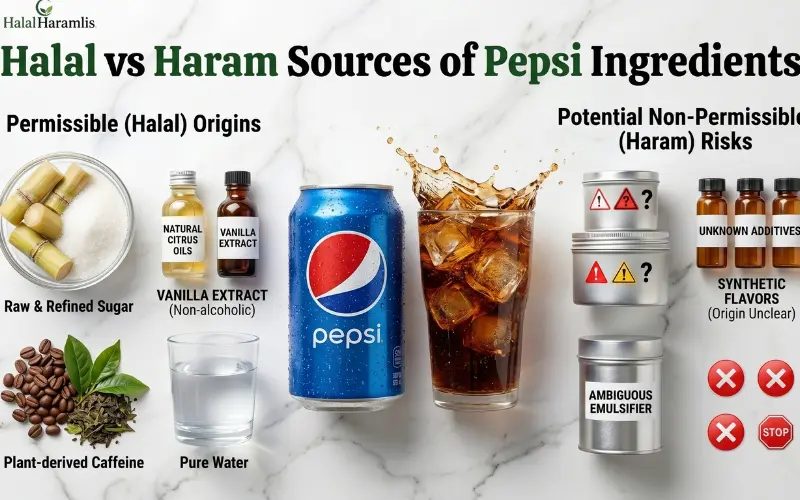
Halal vs Haram Sources of Pepsi Ingredients

Is Pepsi Halal

Is Pepsi Halal?

For most consumers, the answer is yes.

Standard Pepsi does not typically contain:

  • Pork
  • Gelatin
  • Animal fats
  • Intoxicating alcohol

Because of this, Pepsi is generally regarded as halal by many consumers and halal organizations.

However, some people remain cautious because Pepsi uses proprietary flavor formulas. The exact flavor recipe is not fully disclosed publicly, which sometimes creates questions about ingredient sources.

Is Pepsi Max Halal?

One of the most common questions is “Is Pepsi Max halal?”

Pepsi Max is a sugar-free version of Pepsi that uses artificial sweeteners instead of sugar.

Common Pepsi Max ingredients include:

  • Carbonated water
  • Sweeteners
  • Caramel color
  • Flavorings
  • Caffeine

Pepsi Max does not typically contain pork ingredients or intoxicating alcohol. Therefore, it is generally considered halal by many halal-conscious consumers.

Still, consumers who want additional certainty may prefer products carrying recognized halal certification.

Why It Matters in the USA and UK

Consumers in the USA and UK often purchase processed foods and beverages containing complex ingredient lists.

Questions frequently include:

  • Is Pepsi halal?
  • Is Pepsi Max halal?
  • Does Pepsi contain alcohol?
  • Does Pepsi contain pork?
  • Is Pepsi halal in the UK?
  • Is Pepsi halal in the USA?

Because Pepsi is consumed regularly by millions of people, understanding its ingredients helps consumers make informed choices.

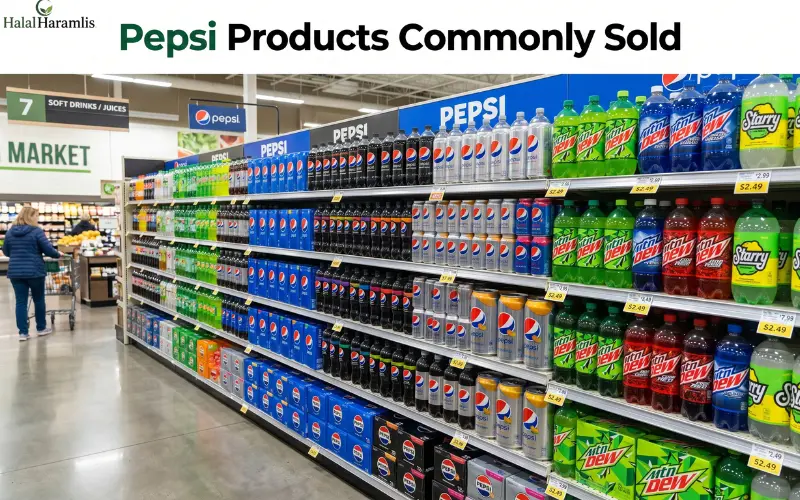
Pepsi Products Commonly Sold

Is Pepsi Halal

Does Pepsi Contain Alcohol?

This is one of the biggest concerns among halal-conscious consumers.

Pepsi is not sold as an alcoholic beverage and is not intended to intoxicate consumers.

While flavor manufacturing processes in the food industry sometimes involve trace processing methods, standard Pepsi is generally not considered an alcoholic drink.

This is why most consumers view Pepsi as halal.

Does Pepsi Contain Pork?

No evidence suggests that standard Pepsi products contain pork-derived ingredients.

Unlike certain candies, marshmallows, and gelatin-based products, Pepsi does not typically contain:

  • Pork gelatin
  • Pork fat
  • Pork enzymes

This is one reason many halal-conscious consumers choose Pepsi without concern.

Ingredient-by-Ingredient Halal Analysis

Carbonated Water

Carbonated water is simply water infused with carbon dioxide gas. It is halal.

Sugar

Sugar is generally halal. Some consumers investigate sugar processing methods, but standard Pepsi sugar is usually considered permissible.

Caramel Color

Caramel color is widely used in cola beverages. It is generally considered halal.

Natural Flavors

Natural flavors are often the ingredient consumers question most because companies do not disclose exact formulas publicly.

Most available information suggests Pepsi flavorings are suitable for general consumption, though some consumers prefer additional certification.

Caffeine

Caffeine naturally occurs in coffee beans and tea leaves. It is generally considered halal.

Halal Certification and Pepsi

Many consumers look for halal certification when purchasing packaged products.

Benefits of halal certification include:

  • Ingredient verification
  • Manufacturing review
  • Supplier checks
  • Greater consumer confidence

Some Pepsi products may carry halal certification in certain regions, while others may not display a halal logo even when ingredients are generally considered halal.

Common Reasons People Think Pepsi May Be Haram

Several myths appear online.

Myth 1: Pepsi Contains Pork

There is no evidence that standard Pepsi contains pork ingredients.

Myth 2: Pepsi Is Alcoholic

Pepsi is not sold as an alcoholic beverage.

Myth 3: All Soft Drinks Are Haram

Many soft drinks are considered halal if they do not contain prohibited ingredients.

Myth 4: Pepsi Max Is Different From Pepsi

Pepsi Max uses different sweeteners but is generally viewed similarly from a halal perspective.

Safer Halal Alternatives

Common Mistakes People Make

Many consumers make assumptions without checking facts.

Common mistakes include:

  • Assuming all soft drinks are automatically halal
  • Believing internet rumors without evidence
  • Ignoring ingredient labels
  • Confusing Pepsi with alcoholic beverages
  • Assuming formulas are identical worldwide

A better approach is to review ingredients and check for certification where available.

FAQs

Is Pepsi halal or haram?

Pepsi is generally considered halal because it does not typically contain pork or intoxicating alcohol.

Is Pepsi halal in the USA?

Most consumers consider Pepsi sold in the USA halal.

Is Pepsi halal in the UK?

Pepsi products sold in the UK are generally considered halal.

Is Pepsi Max halal?

Pepsi Max is generally regarded as halal.

Does Pepsi contain pork?

No evidence suggests standard Pepsi contains pork-derived ingredients.

Does Pepsi contain gelatin?

Pepsi does not typically contain gelatin.

Does Pepsi contain alcohol?

Pepsi is not sold as an alcoholic beverage and is generally considered non-alcoholic.

Is Diet Pepsi halal?

Diet Pepsi is generally considered halal.

Is Pepsi Zero Sugar halal?

Pepsi Zero Sugar is generally viewed as halal.

Are Pepsi flavorings halal?

Most consumers consider them halal, though some prefer products with halal certification.

Is caffeine in Pepsi halal?

Yes, caffeine is generally considered halal.

What is the safest option?

Choosing halal-certified beverages provides the greatest confidence.

Conclusion

Is Pepsi halal or haram? For most consumers in the USA and UK, Pepsi is generally considered halal because it does not contain pork-derived ingredients, gelatin, or intoxicating alcohol as a beverage. Standard Pepsi, Pepsi Max, Diet Pepsi, and Pepsi Zero Sugar are widely accepted by many halal-conscious consumers. While some people prefer additional reassurance through halal certification, the available ingredient information suggests that Pepsi products are generally suitable for halal consumption. If you want maximum confidence, check local labels and choose certified products whenever available.

is coca-cola halal

Is Coca-Cola Halal or Haram? (2026)

Is Coca-Cola halal or haram? For most Muslims in the USA, UK, and many other countries, regular Coca-Cola is generally considered halal. The drink does not contain pork, gelatin, animal fat, or alcoholic ingredients that make it an intoxicating beverage.

If you are asking “Is Coca-Cola halal?”, the answer is usually yes for standard Coca-Cola products. However, some Muslims still prefer to check ingredient lists, local halal certifications, and country-specific formulas because ingredients can sometimes vary between regions.

In simple words, regular Coca-Cola is widely accepted as halal by many Muslim consumers around the world.

Imagine you are having lunch at a restaurant in London, Manchester, New York, or Chicago. You order a burger, fish and chips, fried chicken, or a pizza. The waiter asks a simple question: “Would you like a Coke with that?”

For many people, Coca-Cola is just another soft drink. It is available almost everywhere, from supermarkets and convenience stores to airports and sports stadiums. Millions of people drink it every day without thinking about what is inside the bottle or can.

However, Muslims living in the USA and UK often pay close attention to ingredients. Questions about halal and haram foods have become more common because modern food products contain flavorings, additives, preservatives, and ingredients that are not always easy to understand.

Many Muslims wonder:

  • Is Coca-Cola halal?
  • Does Coke contain alcohol?
  • Does Coca-Cola contain pork ingredients?
  • Are Coca-Cola flavorings halal?
  • Is Coca-Cola halal in the USA and UK?

These are reasonable questions because Muslims want confidence that the products they consume align with their dietary requirements. In this guide, we will explain Coca-Cola’s ingredients, discuss common concerns, and help you understand whether Coca-Cola is halal or haram.

Coca-Cola Ingredients Breakdown

Is Coca-Cola Halal

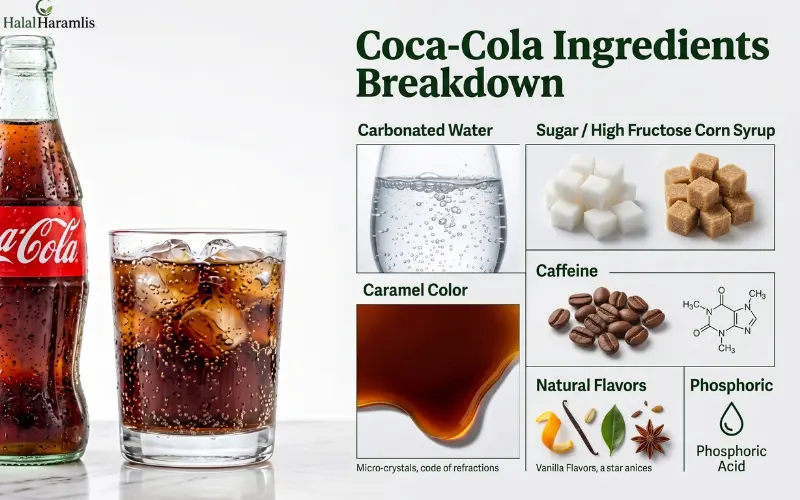
The exact formula of Coca-Cola is a closely guarded company secret, but the main ingredients are publicly listed.

Understanding These Ingredients

Carbonated Water

This is simply water mixed with carbon dioxide gas to create the fizzy bubbles. There are no halal concerns with carbonated water.

Sugar

Sugar provides sweetness. Standard sugar is generally considered halal.

Caramel Color

Caramel color gives Coca-Cola its famous dark brown appearance. It is usually produced from heated carbohydrates and is generally considered halal.

Phosphoric Acid

This ingredient creates the slightly tangy taste that Coca-Cola is known for. It is commonly used in soft drinks and is generally halal.

Natural Flavors

This is the ingredient that creates the most questions among consumers because Coca-Cola does not publicly reveal its complete flavor formula.

Caffeine

Caffeine is naturally found in coffee, tea, and many beverages. It is generally considered halal.

What Is Coca-Cola?

Coca-Cola is one of the most famous soft drinks in the world. It was first introduced in the United States in the late 1800s and has since become a global brand sold in more than 200 countries.

The drink is known for:

  • Sweet flavor
  • Fizzy carbonation
  • Dark caramel color
  • Unique taste profile
  • Caffeine content

Today, Coca-Cola products can be found almost everywhere, including:

  • Restaurants
  • Fast-food chains
  • Grocery stores
  • Airports
  • Cinemas
  • Sports venues
  • Convenience stores

Because Coca-Cola is consumed by millions of Muslims worldwide, questions about its halal status naturally arise.

Is Coca-Cola Halal?

For most Muslims, the answer is yes, Coca-Cola is generally considered halal.

The main reasons include:

  • No pork ingredients
  • No gelatin
  • No animal fat
  • No meat-derived ingredients
  • Not sold as an alcoholic beverage

Many halal organizations and Muslim consumers consider regular Coca-Cola permissible because its listed ingredients do not contain obvious haram substances.

However, some Muslims remain cautious because the company’s flavor formula is proprietary and not fully disclosed to the public.

This does not automatically make Coca-Cola haram. It simply means some consumers prefer additional reassurance through halal certification or local ingredient verification.

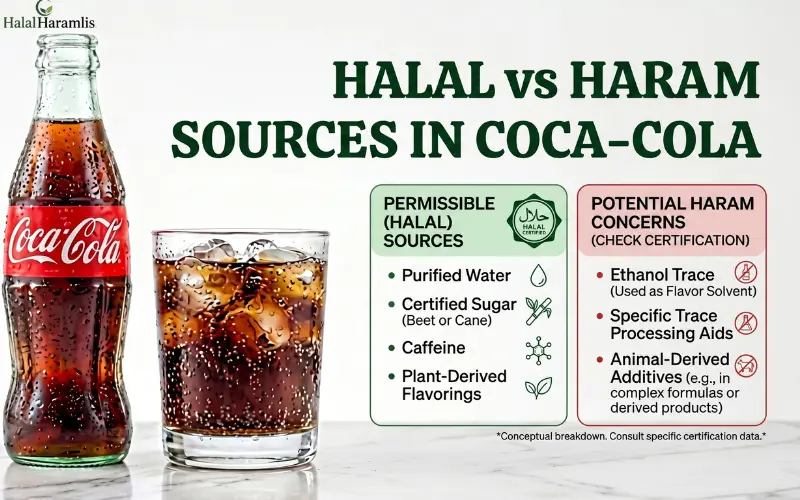
Halal vs Haram Sources in Coca-Cola

Is Coca-Cola Halal

The halal status often depends on the source of ingredients.

Why Source Matters

Many food ingredients can come from different sources.

For example:

  • Flavorings may be plant-based or synthetic.
  • Additives may come from animal or plant sources.
  • Processing methods may vary.

This is why Muslims often investigate ingredient origins before deciding whether a product is halal.

Why It Matters for Muslims in the USA and UK

Living in the USA or UK means regularly consuming packaged and processed foods.

Unlike homemade meals, packaged products often contain:

  • Flavorings
  • Preservatives
  • Stabilizers
  • Sweeteners
  • Food additives

Many Muslims therefore ask questions before purchasing products.

Common concerns include:

  • Hidden animal ingredients
  • Alcohol-based flavorings
  • Manufacturing processes
  • Cross-contamination
  • Lack of halal certification

Since Coca-Cola is one of the most consumed beverages in Western countries, understanding its halal status helps Muslims make informed choices.

Real-Life Examples

A Muslim student buying lunch at school may choose Coca-Cola.

A family ordering takeaway may include Coke with their meal.

A traveler at an airport may purchase Coca-Cola because halal options are limited.

In all these situations, knowing whether Coca-Cola is halal becomes important.

Products Under the Coca-Cola Brand

The Coca-Cola Company owns many beverage brands.

Important Note

Different countries may use slightly different formulas.

Always check:

  • Local ingredient labels
  • Manufacturer information
  • Halal certification where available

Does Coca-Cola Contain Alcohol?

This is probably the most frequently asked question.

Why People Ask This Question

Some food flavorings in the food industry may use alcohol during manufacturing or extraction processes.

Because of this, consumers sometimes worry that Coca-Cola contains alcohol.

The Reality

Regular Coca-Cola is not marketed or sold as an alcoholic beverage.

It does not function as an intoxicating drink.

Millions of Muslims around the world consume Coca-Cola because it is generally regarded as a non-alcoholic soft drink.

Should Muslims Be Concerned?

Most halal authorities and Muslim consumers do not classify standard Coca-Cola as an alcoholic beverage.

Therefore, regular Coca-Cola is generally considered halal.

Does Coca-Cola Contain Pork?

Another common concern is pork.

Many processed foods contain hidden pork ingredients such as:

  • Gelatin
  • Pork enzymes
  • Pork fat
  • Pork-derived additives

However, standard Coca-Cola products do not typically contain these ingredients.

Ingredients Not Found in Regular Coca-Cola

  • Pork gelatin
  • Pork fat
  • Pork enzymes
  • Pork protein

Because of this, pork is generally not considered a concern in standard Coca-Cola products.

Detailed Halal vs Haram Breakdown

Reasons Coca-Cola Is Considered Halal

No pork ingredients

No gelatin

No animal fat

No meat derivatives

Not sold as an alcoholic beverage

Widely consumed by Muslims globally

Reasons Some Consumers Remain Cautious

Proprietary flavor formula

Ingredient variations between countries

Preference for halal certification

Concerns about flavor extraction methods

For most Muslims, these concerns do not automatically make Coca-Cola haram. They simply encourage consumers to verify information when needed.

Safer Halal Alternatives

If you prefer beverages with halal certification, there are many alternatives available.

Tips for Choosing Alternatives

  • Look for halal certification.
  • Read ingredient labels.
  • Avoid unknown additives.
  • Check manufacturer information.

Common Mistakes People Make

Many consumers make assumptions without checking facts.

Mistake #1: Assuming Every Soft Drink Is Halal

Not all beverages have the same ingredients.

Always verify ingredients before consuming.

Mistake #2: Assuming Every Coca-Cola Product Is Identical Worldwide

Formulas can vary between countries.

A product sold in one country may differ slightly from another.

Mistake #3: Ignoring Ingredient Labels

Reading labels helps identify potential concerns.

Mistake #4: Believing Internet Rumors

Many online claims about Coca-Cola are unsupported.

Always rely on ingredient information and official sources.

Mistake #5: Assuming Halal Certification Is Always Present

Some products are halal but may not carry halal certification.

FAQs

Is Coca-Cola halal?

Yes, regular Coca-Cola is generally considered halal by many Muslims.

Is Coca-Cola haram?

Standard Coca-Cola is generally not considered haram.

Does Coca-Cola contain pork?

No, regular Coca-Cola does not typically contain pork ingredients.

Does Coca-Cola contain gelatin?

No, standard Coca-Cola does not contain gelatin.

Is Coca-Cola halal in the UK?

Yes, Coca-Cola sold in the UK is generally considered halal.

Is Coca-Cola halal in the USA?

Yes, standard Coca-Cola products in the USA are generally considered halal.

Does Coca-Cola contain alcohol?

It is not sold as an alcoholic beverage and is generally considered halal.

Is Diet Coke halal?

Diet Coke is generally considered halal.

Is Coca-Cola Zero Sugar halal?

Yes, it is generally considered halal.

Are Coca-Cola flavorings halal?

Most consumers consider them halal, although some prefer additional verification.

Is Cherry Coke halal?

Cherry Coke is generally considered halal.

Should Muslims check local ingredients?

Yes. Checking local labels is always a good practice because formulas can vary.

Conclusion

For most Muslims living in the USA, UK, and many other countries, Coca-Cola is generally considered halal. The drink does not contain pork, gelatin, animal fat, or ingredients commonly associated with haram foods. It is also not sold as an intoxicating alcoholic beverage, which is one of the main reasons many halal organizations and Muslim consumers accept it.

While some people remain cautious about proprietary flavorings and regional ingredient differences, these concerns do not automatically make Coca-Cola haram. Reading labels and checking local product information is always a smart habit.

Is Tuna Halal

Is Tuna Halal or Haram? Complete Guide (2026)

Is tuna halal or haram?

Tuna is halal according to the majority of Islamic scholars because it is a fish that lives in water and is widely accepted as permissible seafood. Fresh tuna, frozen tuna, and plain canned tuna are generally considered halal for Muslims.

However, Muslims should check processed tuna products, flavored tuna, tuna sandwiches, and ready meals because additional ingredients may affect the halal status.

Tuna is one of the most popular seafood products in the USA and UK. Whether you shop at Walmart, Costco, Tesco, Aldi, Asda, or Sainsbury’s, you will find tuna in many forms, including fresh steaks, canned tuna, tuna salads, sandwiches, and ready-made meals.

Many Muslims ask whether tuna is halal because modern seafood processing often involves preservatives, flavorings, sauces, and packaged foods. While the fish itself is generally halal, some processed products may contain ingredients that require closer inspection.

The good news is that plain tuna is widely accepted as halal. Understanding where tuna comes from, how it is processed, and what ingredients are commonly added can help Muslim consumers make informed choices when buying seafood products in the USA and UK.

Table : Ingredients Breakdown of Tuna

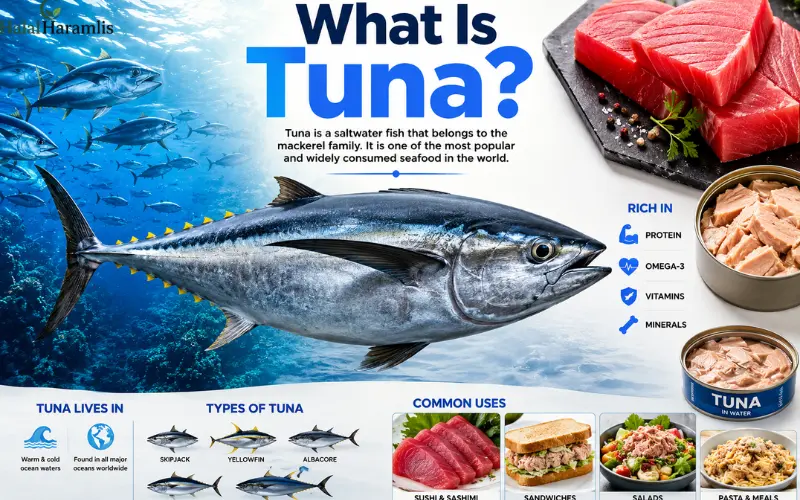
What Is Tuna?

Is Tuna Halal

Tuna is a saltwater fish belonging to the mackerel family. It is one of the most commercially important fish species in the world and is consumed in nearly every country.

Tuna is known for its firm texture, rich nutritional profile, and versatility. It can be eaten grilled, baked, canned, smoked, or raw in sushi dishes.

Why Is Tuna So Popular?

Tuna remains one of the most consumed fish species because it:

  • Is high in protein
  • Contains omega-3 fatty acids
  • Is widely available
  • Has a mild flavor
  • Is easy to prepare
  • Can be used in many recipes

Many health-conscious consumers choose tuna as a lean protein source.

Common Types of Tuna

Several species are commonly sold worldwide:

  • Skipjack Tuna
  • Yellowfin Tuna
  • Albacore Tuna
  • Bluefin Tuna
  • Bigeye Tuna

All of these species are generally considered halal.

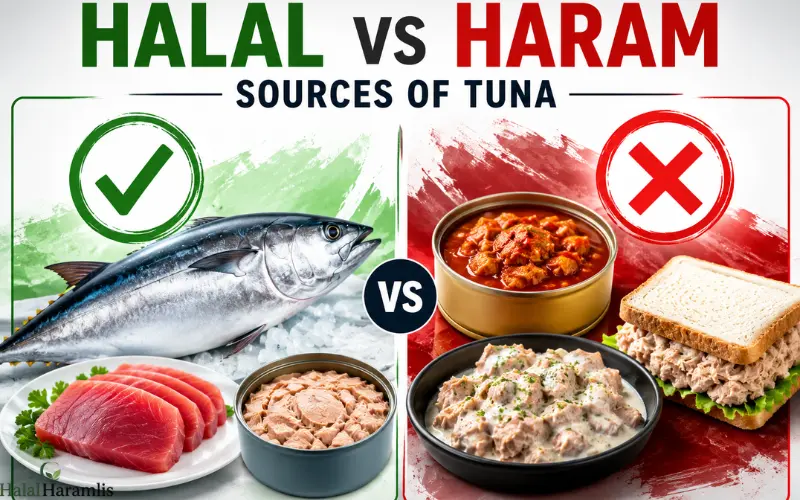
Table : Halal vs Haram Sources of Tuna

Why It Matters for Muslims in USA & UK

Muslims living in Western countries consume tuna regularly because it is affordable, nutritious, and easy to find.

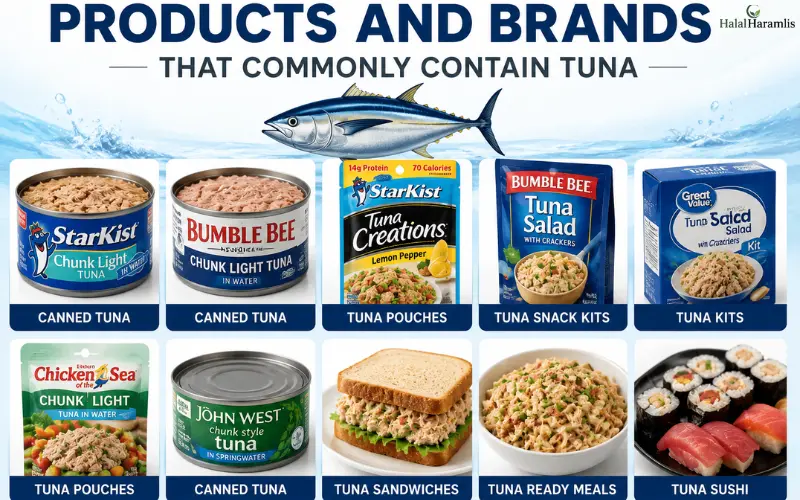
Tuna appears in many products such as:

  • Tuna sandwiches
  • Tuna pasta
  • Tuna salads
  • Canned tuna
  • Sushi rolls
  • Frozen meals

Although tuna itself is halal, processed products may contain ingredients that require attention.

Examples include:

  • Artificial flavors
  • Natural flavors
  • Preservatives
  • Alcohol-based sauces
  • Emulsifiers

Checking ingredient labels helps Muslims avoid questionable additives.

Tuna in Everyday Life

Many families keep canned tuna at home because it is:

  • Affordable
  • Convenient
  • Long-lasting
  • High in protein

This makes understanding its halal status especially important.

Table : Products and Brands That Commonly Contain Tuna

Is Tuna Halal

Is Canned Tuna Halal?

One of the most common questions Muslims ask is whether canned tuna is halal.

In most cases, canned tuna is halal because it contains:

  • Tuna fish
  • Water
  • Salt
  • Vegetable oil

However, some specialty products may include:

  • Flavor enhancers
  • Seasonings
  • Sauces
  • Preservatives

Always read the ingredient list carefully.

Common Ingredients in Canned Tuna

Many canned tuna products contain:

  • Tuna
  • Water
  • Sunflower oil
  • Olive oil
  • Salt

These ingredients are generally halal.

Concerns About Tuna Processing

Although tuna itself is halal, processing can sometimes create concerns.

Flavor Additives

Certain flavored tuna products may contain:

  • Artificial flavors
  • Natural flavors
  • Spice blends

These should be reviewed individually.

Ready Meals

Tuna-based ready meals may include:

  • Sauces
  • Emulsifiers
  • Preservatives
  • Flavor enhancers

The halal status depends on the complete ingredient list.

Restaurant Foods

Restaurant tuna dishes may include:

  • Wine-based sauces
  • Cooking alcohol
  • Non-halal flavorings

Always ask about preparation methods.

Tuna in Sushi and Japanese Cuisine

Tuna is one of the most popular sushi ingredients worldwide.

Many Muslims enjoy:

  • Tuna sashimi
  • Tuna rolls
  • Spicy tuna rolls
  • Tuna nigiri

The tuna itself is halal, but some sushi products may contain:

  • Mirin
  • Alcohol-based sauces
  • Questionable seasonings

Careful ingredient checking is recommended.

Nutritional Benefits of Tuna

Tuna is considered one of the healthiest seafood choices.

Important nutrients include:

  • Protein
  • Omega-3 fatty acids
  • Vitamin D
  • Vitamin B12
  • Selenium
  • Potassium

These nutrients support overall health and wellness.

Halal vs Haram Detailed Breakdown

When Tuna Is Halal

Tuna is halal when:

  • It is genuine fish.
  • It contains no haram additives.
  • It is prepared using halal ingredients.
  • It is free from alcohol-based flavorings.

Most plain tuna products meet these requirements.

When Tuna May Become Questionable

Problems usually arise because of added ingredients.

Flavored Tuna Products

Some products contain:

  • Barbecue flavor
  • Ranch seasoning
  • Specialty sauces

These should be checked individually.

Tuna Ready Meals

Ready meals often contain numerous additives that require review.

Restaurant Dishes

Preparation methods and sauces should always be verified.

Table : Safer Halal Alternatives

Common Mistakes People Make

Mistake 1: Assuming Every Tuna Product Is Automatically Halal

Additional ingredients may change the halal status.

Mistake 2: Ignoring Sauce Ingredients

Sauces often contain hidden additives.

Mistake 3: Not Reading Canned Food Labels

Different brands use different recipes.

Mistake 4: Forgetting About Restaurant Preparation

Cooking methods can affect halal compliance.

Mistake 5: Confusing Plain Tuna with Processed Tuna

Plain tuna is usually halal, but processed products require checking.

FAQs

Is tuna halal or haram?

Tuna is generally considered halal.

Is tuna halal?

Yes, plain tuna is halal.

Is canned tuna halal?

Usually yes, but ingredients should be checked.

Is tuna sushi halal?

The tuna is halal, but additional ingredients should be verified.

Can Muslims eat tuna?

Yes, Muslims can generally eat tuna.

Is tuna fish halal?

Yes, tuna fish is halal.

Is yellowfin tuna halal?

Yes, yellowfin tuna is halal.

Is bluefin tuna halal?

Yes, bluefin tuna is halal.

Is tuna healthy?

Yes, tuna provides protein and omega-3 fatty acids.

Does tuna contain pork?

No, tuna does not contain pork.

Is tuna available in UK supermarkets?

Yes, tuna is widely available throughout the UK.

Should Muslims avoid tuna?

No, plain tuna is generally permissible.

Conclusion

Tuna is one of the most popular seafood choices in the world and is commonly consumed throughout the USA and UK. Because it is a fish that naturally lives in water, the majority of Islamic scholars consider it halal. Fresh tuna, frozen tuna, and most plain canned tuna products are generally permissible for Muslim consumers. The main concerns arise from processed products, flavored tuna, restaurant meals, and ready-made foods that may contain additional ingredients. By checking labels and choosing simple or halal-certified products whenever possible, Muslims can confidently include tuna in their diet.

Is Salmon Halal

Is Salmon Halal or Haram? Complete Guide (2026)

Is salmon halal or haram?

Salmon is halal according to the majority of Islamic scholars because it is a fish that lives in water and has scales. Fresh, frozen, wild-caught, and farm-raised salmon are generally considered permissible for Muslims to eat.

However, Muslims should still check processed salmon products such as smoked salmon, salmon sandwiches, canned salmon, and ready meals because they may contain additional ingredients, flavorings, or sauces that require halal verification.

Salmon is one of the most popular fish consumed in the USA and UK. Whether you are shopping at Walmart, Costco, Tesco, Aldi, Sainsbury’s, or Asda, you will likely find salmon in fresh, frozen, smoked, and canned forms. It is widely recommended as a healthy food because it contains protein, omega-3 fatty acids, vitamins, and minerals.

Many Muslims wonder whether salmon is halal because modern seafood production involves fish farms, processing facilities, preservatives, and ready-made meals. Questions often arise about farm-raised salmon, smoked salmon, fish feed, and processed seafood products.

The good news is that salmon itself is generally regarded as halal by the majority of scholars. Understanding where salmon comes from, how it is processed, and which products may contain questionable ingredients can help Muslims make informed choices when purchasing seafood in the USA and UK.

Table : Ingredients Breakdown of Salmon

What Is Salmon?

Salmon is a type of fish that belongs to the Salmonidae family. It is known for its pink or orange-colored flesh and rich nutritional value.

Salmon naturally lives in both freshwater and saltwater environments during different stages of its life cycle. It is one of the most consumed fish species worldwide.

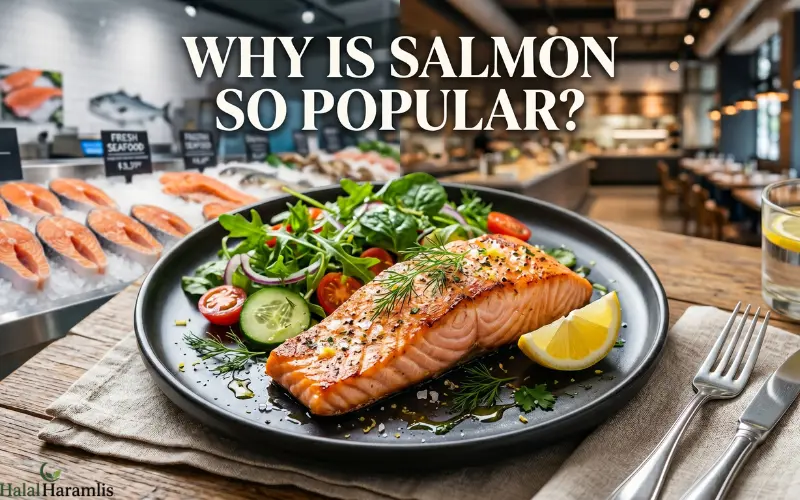
Why Is Salmon So Popular?

Is Salmon Halal

Salmon is popular because it:

  • Contains high-quality protein
  • Is rich in omega-3 fatty acids
  • Has a delicious flavor
  • Can be grilled, baked, or smoked
  • Is widely available
  • Fits many healthy diets

Many doctors and nutritionists recommend salmon because of its health benefits.

Common Types of Salmon

Some of the most common varieties include:

  • Atlantic Salmon
  • Chinook Salmon
  • Sockeye Salmon
  • Coho Salmon
  • Pink Salmon
  • Chum Salmon

All of these salmon species are generally considered halal.

Table : Halal vs Haram Sources of Salmon

Why It Matters for Muslims in USA & UK

Muslims in Western countries consume seafood regularly because it is often viewed as a healthier alternative to red meat.

Salmon is commonly found in:

  • Supermarkets
  • Restaurants
  • Fast-food chains
  • Sushi restaurants
  • Frozen food sections
  • Meal delivery services

While salmon itself is halal, processed salmon products may contain:

  • Alcohol-based flavorings
  • Non-halal sauces
  • Artificial flavors
  • Questionable additives

For this reason, Muslims should understand not only the fish itself but also the ingredients used in the final product.

Salmon in Everyday Foods

You may encounter salmon in:

  • Salmon sandwiches
  • Sushi rolls
  • Smoked salmon bagels
  • Salmon salads
  • Frozen dinners
  • Seafood platters

Each product should be evaluated based on its complete ingredient list.

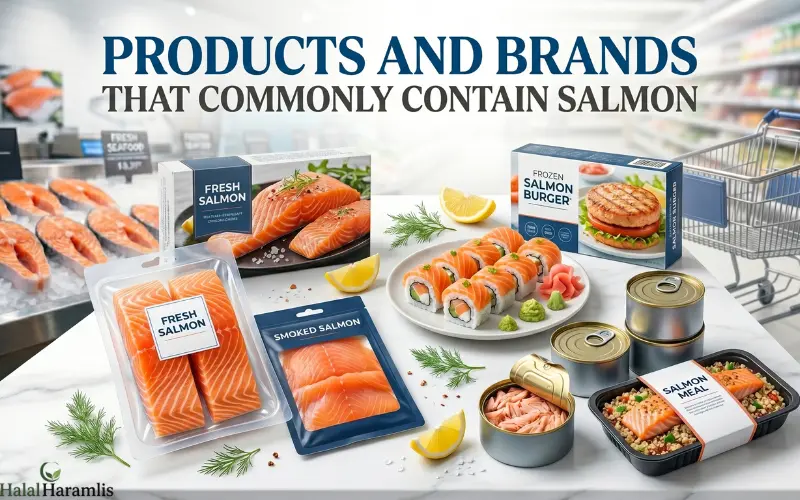
Table : Products and Brands That Commonly Contain Salmon

Is Salmon Halal

Is Farm-Raised Salmon Halal?

One of the most common questions Muslims ask is whether farm-raised salmon is halal.

Today, much of the salmon sold worldwide comes from fish farms.

Most scholars consider farm-raised salmon halal because:

  • It remains a fish.
  • It lives in water.
  • Its natural characteristics remain unchanged.
  • Fish farming does not change its species.

Concerns About Fish Feed

Some consumers worry about fish feed used in salmon farming.

Fish feed may contain:

  • Fish meal
  • Plant proteins
  • Marine ingredients
  • Nutritional supplements

Despite these concerns, the majority opinion remains that farm-raised salmon is halal.

Wild Salmon vs Farmed Salmon

Many consumers compare wild-caught and farm-raised salmon.

Wild Salmon

Benefits include:

  • Natural environment
  • Often leaner
  • Stronger flavor

Farm-Raised Salmon

Benefits include:

  • More affordable
  • Widely available
  • Consistent supply

From a halal perspective, both are generally permissible.

Nutritional Benefits of Salmon

Salmon is considered one of the healthiest fish available.

Key nutrients include:

  • Protein
  • Omega-3 fatty acids
  • Vitamin B12
  • Vitamin D
  • Selenium
  • Potassium

Many people eat salmon regularly as part of a healthy lifestyle.

Salmon in Sushi and Restaurants

Salmon is one of the most common ingredients used in sushi.

Muslims should be aware that some sushi products may include:

  • Alcohol-based sauces
  • Mirin
  • Cooking wine
  • Non-halal seasonings

The salmon itself remains halal, but additional ingredients should be checked.

Restaurant Considerations

When ordering salmon in restaurants, ask about:

  • Marinades
  • Sauces
  • Cooking methods
  • Cross-contamination

This helps ensure the meal remains halal.

Halal vs Haram Detailed Breakdown

When Salmon Is Halal

Salmon is halal when:

  • It is genuine fish.
  • It is fresh or frozen.
  • No haram ingredients are added.
  • It is prepared using halal ingredients.

This applies to most plain salmon products.

When Salmon May Become Questionable

The concern usually comes from processing rather than the fish itself.

Smoked Salmon

Smoked salmon may contain:

  • Flavorings
  • Preservatives
  • Additional ingredients

Check labels carefully.

Ready Meals

Ready-made salmon meals may include:

  • Sauces
  • Emulsifiers
  • Artificial flavors

Always review the ingredient list.

Restaurant Dishes

Restaurant salmon dishes sometimes contain wine-based sauces or marinades.

Table : Safer Halal Alternatives

Common Mistakes People Make

Mistake 1: Assuming All Salmon Products Are Automatically Halal

The fish may be halal, but added ingredients may not be.

Mistake 2: Ignoring Sauces

Many salmon dishes include sauces that require verification.

Mistake 3: Confusing Fish Type with Product Ingredients

The salmon itself is usually halal, but processing matters.

Mistake 4: Not Reading Labels

Processed seafood products often contain multiple additives.

Mistake 5: Overlooking Restaurant Preparation

Cooking methods and ingredients should always be checked.

See Also:

FAQs

Is salmon halal or haram?

Salmon is generally considered halal.

Is salmon halal?

Yes, salmon is halal according to the majority of scholars.

Is farm-raised salmon halal?

Yes, farm-raised salmon is generally halal.

Is wild salmon halal?

Yes, wild salmon is halal.

Can Muslims eat salmon?

Yes, Muslims can generally eat salmon.

Is smoked salmon halal?

Usually yes, but check added ingredients.

Is salmon sushi halal?

The salmon is halal, but sauces and ingredients should be reviewed.

Is canned salmon halal?

Usually yes, but check labels.

Is Atlantic salmon halal?

Yes, Atlantic salmon is halal.

Is salmon healthy?

Yes, it contains protein and omega-3 fatty acids.

Does salmon contain pork?

No, salmon does not contain pork.

Should Muslims avoid salmon?

No, plain salmon is generally considered halal.

Conclusion

Salmon is one of the most nutritious and widely consumed fish in the world. It is commonly available throughout the USA and UK in fresh, frozen, smoked, canned, and restaurant-prepared forms. Because salmon is a fish with scales that lives in water, the majority of Islamic scholars consider it halal. Both wild-caught and farm-raised salmon are generally permissible for Muslim consumers. The main concern is not the fish itself but the ingredients used in processed products, restaurant meals, and flavored seafood items. By checking labels and choosing simple or halal-certified products whenever possible, Muslims can enjoy salmon with confidence.

Is Tilapia Halal

Is Tilapia Halal or Haram? Complete Guide (2026)

Is tilapia halal or haram? Tilapia is generally considered halal by the majority of Islamic scholars because it is a fish that lives in water and has scales. Muslims in the USA, UK, and many other countries commonly consume tilapia without halal concerns.

However, Muslims should pay attention to how tilapia is prepared and processed. Breaded, seasoned, marinated, or ready-made tilapia products may contain additional ingredients that require halal verification. While the fish itself is usually permissible, sauces, flavorings, preservatives, and cooking methods can sometimes affect the halal status of the final product.

If you shop at Walmart, Costco, Tesco, Aldi, Asda, Sainsbury’s, Morrisons, or other major supermarkets, you have probably seen tilapia in the seafood section. It is one of the most affordable and widely consumed fish in the USA and UK. Tilapia is commonly sold as fresh fillets, frozen fish, fish fingers, seafood platters, grilled meals, and restaurant dishes.

Many Muslims wonder whether tilapia is halal because modern fish farming practices can be complicated. Questions often arise about fish feed, farming conditions, processing methods, imported seafood products, and packaged frozen meals. Since seafood is a major part of many diets, understanding the halal status of tilapia helps Muslim consumers make informed choices when purchasing seafood products.

The good news is that tilapia is generally recognized as halal by most scholars. Nevertheless, understanding how it is farmed, processed, packaged, and sold remains important for Muslims who want to be confident about their food choices.

As seafood consumption continues to grow worldwide, tilapia has become a staple fish in many households due to its affordability, availability, and nutritional value. This guide explains everything Muslim consumers need to know about tilapia and its halal status.

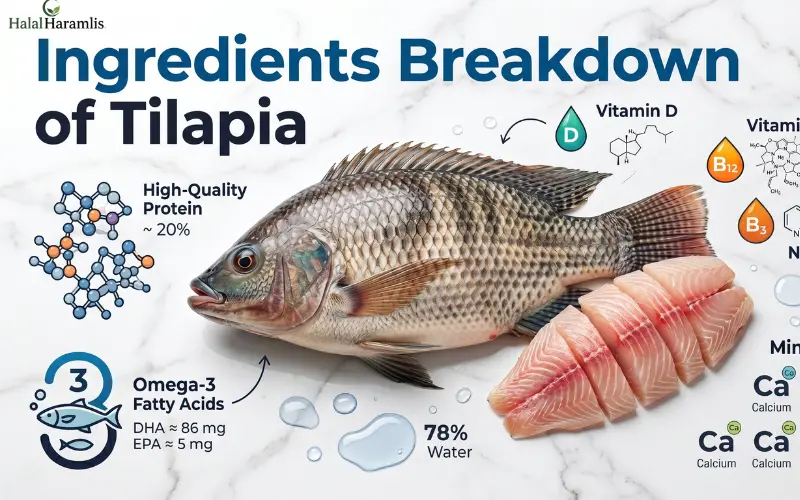
Table : Ingredients Breakdown of Tilapia

Is Tilapia Halal

What Is Tilapia?

Tilapia is a freshwater fish that belongs to the cichlid family. It is one of the most widely farmed fish species in the world because it grows quickly, adapts to different environments, and is relatively inexpensive to produce.

Tilapia has a mild taste and firm texture, making it popular among people who do not enjoy strong fish flavors. Unlike some seafood varieties that have a strong smell or taste, tilapia is considered versatile and easy to prepare.

Why Is Tilapia Popular?

Tilapia is popular because it:

  • Is affordable
  • Has a mild flavor
  • Is easy to cook
  • Contains protein
  • Is widely available
  • Works well in many recipes
  • Has relatively low fat content
  • Can be grilled, baked, fried, or steamed

Many restaurants and supermarkets choose tilapia because it offers a budget-friendly seafood option that appeals to a wide range of consumers.

Where Does Tilapia Come From?

Tilapia is commonly farmed in:

  • United States
  • China
  • Indonesia
  • Egypt
  • Brazil
  • Colombia
  • Honduras

Farm-raised tilapia makes up the majority of the global supply. Wild tilapia also exists, but most consumers purchase farm-raised fish due to its availability and lower cost.

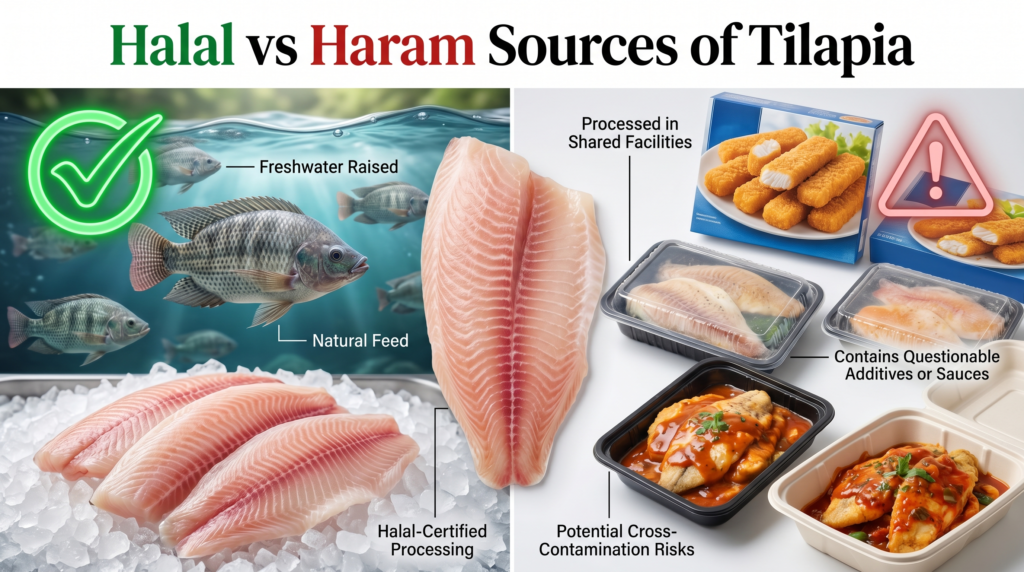
Table : Halal vs Haram Sources of Tilapia

Is Tilapia Halal

Why It Matters for Muslims in USA & UK

Muslims living in the USA and UK frequently purchase seafood from supermarkets, restaurants, takeaway shops, and online grocery stores. Tilapia is often marketed as a healthy and affordable source of protein.

Many consumers assume all seafood products are automatically halal. While the fish itself may be halal, the final product can contain ingredients that affect its halal status.

For example:

  • Fish fingers may contain flavorings.
  • Breaded fish may contain emulsifiers.
  • Restaurant dishes may contain alcohol-based sauces.
  • Frozen meals may include questionable additives.
  • Seafood platters may contain mixed ingredients.

Understanding these factors helps Muslims make better purchasing decisions.

Common Places Where Muslims Eat Tilapia

You may find tilapia in:

  • Seafood restaurants
  • Fast-food fish meals
  • Frozen seafood sections
  • School cafeterias
  • Hospital meals
  • Airline meals
  • Hotel buffets
  • Workplace cafeterias

Because tilapia is so common, understanding its halal status is especially important for Muslim consumers.

Table : Products and Brands That Commonly Contain Tilapia

Is Farm-Raised Tilapia Halal?

Is Tilapia Halal

One common question concerns farm-raised tilapia.

Most scholars consider farm-raised tilapia halal because:

  • It remains a fish.
  • It lives in water.
  • It retains its natural characteristics.
  • It falls under the general permissibility of fish.

Even if fish farms use commercial feed, tilapia generally remains halal according to the majority opinion.

Tilapia Farming and Halal Concerns

Many Muslims ask whether modern fish farming affects the halal status of tilapia. Today, most tilapia sold in the USA and UK comes from fish farms rather than wild rivers or lakes.

Fish farmers raise tilapia in controlled ponds and tanks where they receive commercial feed and veterinary care. Some consumers worry that fish feed may contain ingredients derived from animal by-products. Others question whether farming conditions can affect the halal status of the fish.

According to the majority of scholars, farm-raised tilapia remains halal because it continues to be a fish living in water and does not lose its essential nature. Therefore, the farming method itself generally does not make tilapia haram.

Concerns About Fish Feed

Some Muslims worry that fish feed may contain animal by-products.

However:

  • The fish itself remains a fish.
  • Most scholars do not classify the fish as haram because of feed.
  • Farmed fish are widely accepted as halal.
  • Tilapia sold in major supermarkets is generally considered permissible.

For most consumers, the greater concern is the processing and preparation of the fish rather than the feed used during farming.

Nutritional Benefits of Tilapia

Tilapia provides many nutrients, including:

  • High-quality protein
  • Vitamin B12
  • Selenium
  • Phosphorus
  • Potassium
  • Niacin

It is often chosen by people looking for a lean source of protein.

Additional Health Benefits

Tilapia is also valued because it:

  • Supports muscle growth through protein intake
  • Contains essential minerals
  • Can fit into low-calorie diets
  • Is easy to digest for many people
  • Serves as an alternative to red meat

Because of these benefits, tilapia is commonly recommended as part of a balanced diet.

Tilapia vs Other Popular Halal Fish

Many Muslim consumers compare tilapia with other seafood options before making purchasing decisions.

Tilapia remains one of the most affordable halal seafood options available in Western supermarkets. While salmon and tuna are often more expensive, tilapia provides a budget-friendly alternative for families seeking halal seafood.

Halal vs Haram Detailed Breakdown

When Tilapia Is Halal

Tilapia is halal when:

  • It is genuine fish.
  • It is fresh or frozen without haram additives.
  • It is cooked using halal ingredients.
  • It is not contaminated with haram substances.
  • It is prepared in a halal-compliant manner.

This applies to most plain tilapia products sold in supermarkets.

When Tilapia May Become Questionable

The concern is usually not the fish itself but added ingredients.

1. Breaded Tilapia

Breading may contain:

  • Emulsifiers
  • Flavorings
  • Additives
  • Preservatives

These should be reviewed carefully.

2. Restaurant Meals

Restaurant dishes may include:

  • Wine sauces
  • Alcohol-based marinades
  • Questionable seasonings
  • Mixed ingredients

Always ask about ingredients when dining out.

3. Frozen Ready Meals

Ready-made seafood meals may contain:

  • Artificial flavors
  • Preservatives
  • Other additives
  • Complex seasoning blends

Reading labels is important.

Tilapia in Restaurants and Fast Food

Tilapia is commonly served in restaurants throughout the USA and UK. It is often used in:

  • Fish tacos
  • Grilled fish platters
  • Fish sandwiches
  • Seafood pasta dishes
  • Rice bowls
  • Seafood wraps

While the fish itself may be halal, restaurant preparation methods should be checked carefully.

Potential concerns include:

  • Alcohol-based cooking sauces
  • Non-halal seasoning blends
  • Shared cooking surfaces
  • Cross-contamination with non-halal foods

Muslims who frequently eat seafood outside the home should ask restaurants about ingredients and cooking methods before ordering.

Tilapia in Frozen and Processed Foods

Frozen seafood products have become extremely popular because they are convenient and affordable.

Common frozen tilapia products include:

  • Breaded fillets
  • Fish fingers
  • Frozen fish meals
  • Seafood platters
  • Ready-to-cook fillets

Muslims should pay special attention to ingredient labels because these products may contain:

  • Artificial flavors
  • Natural flavors
  • Emulsifiers
  • Preservatives
  • Seasoning blends

The fish itself may be halal, but additional ingredients should always be reviewed carefully.

How to Identify Halal Tilapia Products

When shopping in the USA or UK, look for the following signs:

Check the Ingredient List

The shorter the ingredient list, the easier it is to verify halal status.

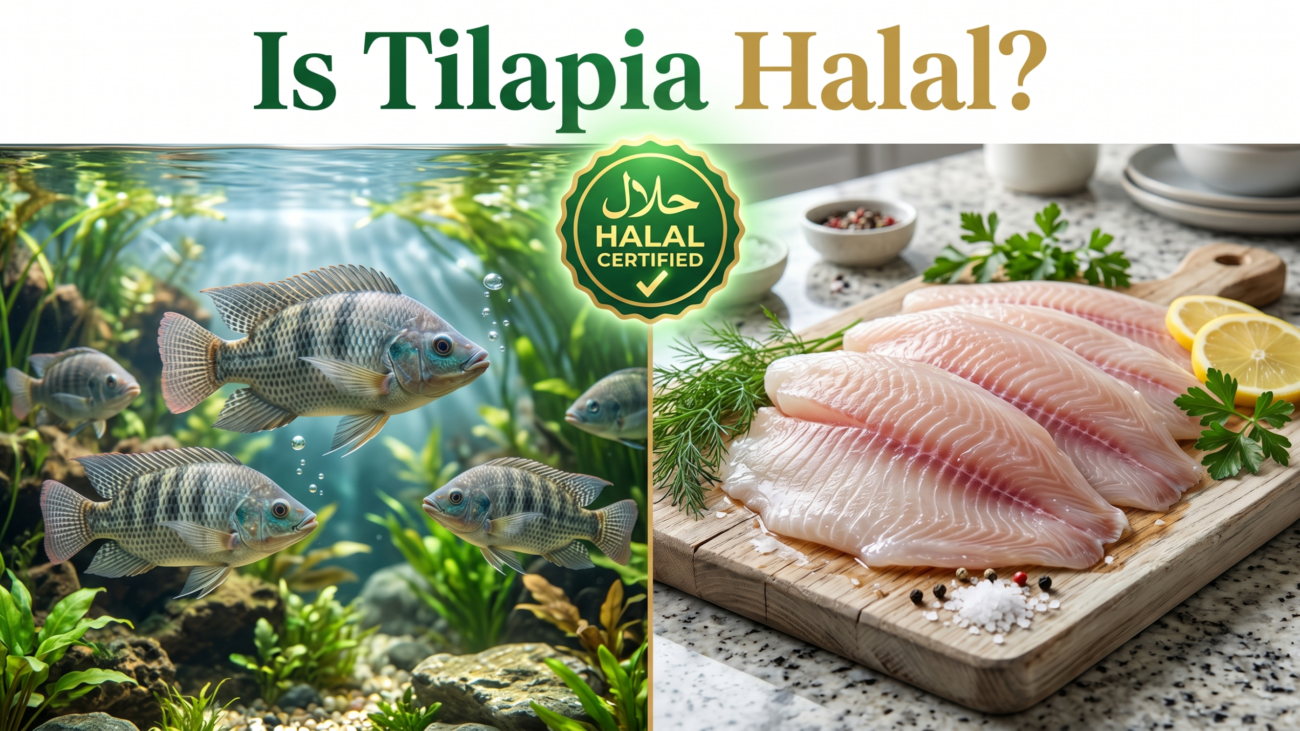
Look for Halal Certification

A halal logo provides extra confidence and reassurance.
Choose Plain Fillets

Plain tilapia fillets are generally safer than heavily processed products.

Ask Questions

If purchasing from restaurants or fish markets, ask about preparation methods and ingredients.

Buy From Trusted Retailers

Choose reputable supermarkets and seafood suppliers that provide clear ingredient information.

Table : Safer Halal Alternatives

FAQs

Is tilapia halal or haram?

Tilapia is generally considered halal by most Islamic scholars.

Is tilapia halal?

Yes, plain tilapia fish is halal.

Is farm-raised tilapia halal?

Yes, farm-raised tilapia is generally considered halal.

Does tilapia have scales?

Yes, tilapia has scales.

Is frozen tilapia halal?

Usually yes, but check additional ingredients.

Can Muslims eat tilapia?

Yes, Muslims can generally eat tilapia.

Is tilapia sold in Walmart halal?

The fish itself is usually halal, but processing should be checked.

Is tilapia healthy?

Yes, it provides protein and important nutrients.

Is grilled tilapia halal?

If prepared with halal ingredients, yes.

Is breaded tilapia halal?

It depends on the ingredients used in the breading.

Is tilapia available in the UK?

Yes, tilapia is sold in many UK supermarkets.

Should Muslims avoid tilapia?

No, plain tilapia is generally considered halal.

Conclusion

Tilapia is one of the most widely consumed fish species in the world and remains a popular choice among Muslim consumers in the USA and UK. Because it is a fish that naturally lives in water and has scales, the majority of scholars consider it halal. Fresh, frozen, and plain tilapia products are generally permissible and can be enjoyed without concern.

However, Muslims should remain cautious when purchasing processed seafood products, breaded fish, frozen meals, or restaurant dishes that may contain additional ingredients. Reading labels, checking certifications, and asking questions about preparation methods can help ensure halal compliance.

Whether purchased from supermarkets, seafood markets, or restaurants, plain tilapia remains one of the safest and most accessible halal seafood choices available today.

Is Baking Soda Halal

Is Baking Soda Halal or Haram? Complete Guide (2026)

Is baking soda halal or haram?

Baking soda is generally considered halal because it is a naturally occurring chemical compound known as sodium bicarbonate. It is not derived from pork, animal fat, meat by-products, or alcoholic ingredients. Most baking soda sold in supermarkets across the USA and UK comes from natural mineral deposits or is produced through a synthetic mineral-based process.

For the vast majority of Muslim consumers, pure baking soda is completely permissible to use in cooking, baking, cleaning, and even certain medicinal products. However, Muslims should still check products that contain baking soda as one ingredient among many, such as baking powders, cake mixes, biscuits, and processed foods, because additional ingredients may affect the overall halal status.

If you live in the USA or UK, there is a good chance that baking soda is already present in your kitchen. It is one of the most common household ingredients and is used in everything from cakes and cookies to bread, pancakes, muffins, and pastries. Beyond food, baking soda is also found in toothpaste, cleaning products, deodorants, and antacid medicines.

Many Muslims become concerned when they see unfamiliar ingredient names such as sodium bicarbonate or food codes like E500 on packaging. Since modern food labels often contain scientific terminology, it is understandable that consumers want to verify whether an ingredient is halal before purchasing a product.

The good news is that baking soda is one of the least controversial food additives from a halal perspective. Unlike gelatin, certain emulsifiers, or flavorings that may come from animal sources, baking soda is mineral-based. It is usually extracted from natural deposits or manufactured through chemical processes that do not involve animal ingredients.

However, understanding where baking soda is used remains important. While the ingredient itself is halal, products containing baking soda may also include flavorings, enzymes, emulsifiers, or preservatives that require further investigation. This guide explains everything Muslims in the USA and UK need to know about baking soda halal status.

Table : Ingredients Breakdown of Baking Soda

Is Baking Soda Halal

What Is Baking Soda?

Is Baking Soda Halal

Baking soda is a white crystalline powder scientifically known as sodium bicarbonate. It is a naturally alkaline compound that has been used for decades in food preparation and household applications.

When baking soda comes into contact with acidic ingredients such as lemon juice, vinegar, yogurt, or buttermilk, it produces carbon dioxide gas. These tiny gas bubbles become trapped inside dough or batter, causing baked goods to rise and develop a light texture.

Because of this reaction, baking soda is considered one of the most important raising agents in baking.

Why Baking Soda Is Used

Food manufacturers and home bakers use baking soda for many purposes, including:

  • Helping cakes rise properly
  • Creating soft and fluffy muffins
  • Improving cookie texture
  • Making pancakes lighter
  • Reducing acidity in recipes
  • Improving the appearance of baked goods

In commercial food production, baking soda is valued because it is inexpensive, effective, and safe.

Other Uses of Baking Soda

Apart from food, baking soda is commonly used in:

  • Toothpaste
  • Mouthwash products
  • Household cleaners
  • Laundry products
  • Deodorants
  • Antacid medicines
  • Personal care products

Its versatility is one reason why it is found in millions of homes worldwide.

Table : Halal vs Haram Sources of Baking Soda

Is Baking Soda Halal

Why It Matters for Muslims in USA & UK

Muslims living in Western countries consume a large amount of packaged and processed food. Baking soda is present in countless products sold in supermarkets such as Walmart, Costco, Tesco, Asda, Morrisons, Aldi, and Sainsbury’s.

Common foods containing baking soda include:

  • Cakes
  • Biscuits
  • Bread
  • Pancakes
  • Muffins
  • Cookies
  • Crackers
  • Pastries

On ingredient labels, baking soda may appear under different names:

  • Baking soda
  • Sodium bicarbonate
  • Bicarbonate of soda
  • E500
  • Sodium hydrogen carbonate

For Muslim consumers, the concern is usually not the baking soda itself. Instead, the concern is the other ingredients found alongside it.

For example:

  • Cakes may contain emulsifiers from unknown sources.
  • Cookies may contain mono and diglycerides.
  • Bread may contain enzymes.
  • Snack foods may contain flavor enhancers.
  • Dessert products may contain questionable additives.

Therefore, while baking soda itself is halal, Muslims should always evaluate the complete ingredient list before making a final decision.

Table : Products and Brands That Commonly Contain Baking Soda

Always check ingredient labels because formulations can change over time.

Halal vs Haram Detailed Breakdown

When Baking Soda Is Halal

Baking soda is halal when:

  • It is pure sodium bicarbonate.
  • It comes from mineral sources.
  • It is produced through standard industrial processes.
  • It contains no animal-derived additives.
  • It is free from alcohol contamination.

These conditions apply to nearly all major baking soda brands sold in the USA and UK.

Because baking soda is fundamentally a mineral compound, halal concerns are minimal compared to ingredients such as gelatin, rennet, or certain emulsifiers.

Why Baking Soda Is Considered Safe

Several factors make baking soda one of the safest ingredients from a halal perspective:

  • It is mineral-based.
  • It is not derived from animals.
  • It is not intoxicating.
  • It contains no pork ingredients.
  • It has a simple chemical structure.
  • It is widely accepted by halal certification organizations.

For these reasons, halal authorities generally classify baking soda as permissible.

When Baking Soda May Be Questionable

Although pure baking soda is halal, certain situations may require additional verification.

1. Baking Powder (Important Difference)

Many people mistakenly assume baking powder and baking soda are identical.

Baking powder usually contains:

  • Baking soda
  • Acid salts
  • Cornstarch
  • Anti-caking agents

While most baking powders are halal, the additional ingredients should still be reviewed.

2. Processed Foods

Baking soda is often used in processed foods that contain many other ingredients.

Examples include:

  • Enzymes
  • Flavorings
  • Emulsifiers
  • Preservatives
  • Colorings

These ingredients may require halal verification even though the baking soda itself remains halal.

3. Industrial Food Manufacturing

In rare situations, manufacturing facilities may process both halal and non-halal products. While this does not automatically make baking soda haram, some consumers prefer products from facilities with halal certification or strict quality controls.

Baking Soda vs Baking Powder

Many Muslims confuse these two ingredients because they are both used in baking.

Baking Soda

  • Pure sodium bicarbonate
  • Mineral-based ingredient
  • Generally halal
  • Requires an acidic ingredient to activate
  • Commonly sold in simple boxed form

Baking Powder

  • Contains baking soda plus additional ingredients
  • Includes acid compounds
  • Often contains starch
  • Requires more ingredient checking
  • May vary between manufacturers

As a result, baking soda is usually easier to verify from a halal perspective than baking powder.

Table : Safer Halal Alternatives

Common Mistakes People Make

Mistake 1: Thinking Baking Soda Is Haram

Many consumers assume that any ingredient with a scientific name must be questionable. In reality, sodium bicarbonate is simply the chemical name for baking soda and is generally halal.

Mistake 2: Confusing Baking Soda and Baking Powder

These products serve similar purposes but are not identical. Baking powder contains additional ingredients that may require further investigation.

Mistake 3: Ignoring the Entire Product

Even if baking soda is halal, the finished food product may contain other ingredients that are not halal-certified.

Mistake 4: Assuming All E-Numbers Are Haram

Many E-numbers are completely halal. E500, which refers to sodium bicarbonate, is generally considered permissible.

Mistake 5: Not Reading Ingredient Labels

Food formulations frequently change. A product that was halal last year may contain different ingredients today.

See Also:

FAQs

Is baking soda halal or haram?

Baking soda is generally halal because it is a mineral-based compound and does not come from animal sources.

Is baking soda halal in Islam?

Yes. Pure sodium bicarbonate is widely regarded as halal.

Is baking soda plant-based?

No. It is mineral-based rather than plant-based or animal-based.

Does baking soda contain pork?

No. Baking soda contains no pork ingredients.

Is baking soda E500?

Yes. Baking soda is commonly listed as E500 on food labels.

Is baking soda used in bread halal?

Yes. However, other bread ingredients should also be checked.

Is baking soda safe for Muslims?

Yes. It is generally considered safe and halal.

Is baking soda the same as baking powder?

No. Baking powder contains additional ingredients besides baking soda.

Is baking soda used in cakes halal?

Yes. Baking soda itself is halal, although cake ingredients should still be reviewed.

Is baking soda vegan?

Yes. Baking soda is vegan-friendly because it contains no animal ingredients.

Is baking soda found in toothpaste halal?

In most cases, yes. Baking soda used in toothpaste is generally halal.

Should Muslims avoid baking soda?

No. There is usually no reason for Muslims to avoid pure baking soda.

Conclusion

Baking soda is one of the most common and widely used ingredients in modern food production. Whether you are baking cakes at home, purchasing bread from a supermarket, or using toothpaste containing sodium bicarbonate, you are likely encountering baking soda regularly.

From a halal perspective, baking soda is considered permissible because it is derived from natural minerals or produced through synthetic mineral-based processes. It does not originate from pork, animal fats, meat by-products, or intoxicating substances. This makes it one of the safest food ingredients for Muslim consumers.

The only area where caution is needed is when baking soda appears as part of a larger processed product. Cakes, cookies, baking mixes, and packaged foods may contain additional ingredients that require halal verification. Therefore, Muslims should always read ingredient labels carefully and choose halal-certified products whenever possible.

Is Carrageenan Halal

Is Carrageenan Halal or Haram? Complete Guide (2026)

Is carrageenan halal or haram?

Carrageenan is generally halal because it is extracted from red seaweed, a plant-based marine source. It does not come from pork, meat, animal fat, or other non-halal ingredients. Most halal certification organizations consider carrageenan permissible for Muslim consumption.

However, Muslims should still check the entire ingredient list of a product. While carrageenan itself is usually halal, the food containing it may include other ingredients that are questionable or non-halal.

If you regularly buy food in the USA or UK, chances are you have consumed carrageenan many times without realizing it. It is commonly found in almond milk, chocolate milk, protein shakes, yogurt, ice cream, whipped cream, desserts, and many packaged foods. When reading labels, many Muslims notice unfamiliar ingredients like carrageenan and wonder whether they are halal or haram.

This concern is understandable because modern food products often contain additives with scientific names that do not clearly explain their source. Some additives come from plants, while others may come from animals or involve complicated manufacturing processes. The good news is that carrageenan is usually derived from seaweed and is widely regarded as a halal ingredient. Understanding how it is made and where it is used can help Muslims make informed choices when shopping for food.

Table : Ingredients Breakdown of Carrageenan

What Is Carrageenan?

Carrageenan is a natural food additive extracted from certain types of red seaweed found in coastal waters around the world.

Food manufacturers use carrageenan because it acts as:

  • A thickener
  • A stabilizer
  • A gelling agent
  • A texture enhancer

Without carrageenan, many products would separate, become watery, or lose their smooth consistency.

For example, chocolate milk naturally separates over time. Carrageenan helps keep the cocoa evenly mixed throughout the drink.

How Carrageenan Is Made

Is Carrageenan Halal

The manufacturing process usually involves:

  1. Harvesting red seaweed
  2. Cleaning and drying the seaweed
  3. Extracting carrageenan using water-based methods
  4. Filtering impurities
  5. Drying and processing into powder form

The final product becomes a white or slightly yellow powder that food manufacturers add to various products.

Why Food Companies Use Carrageenan

Food manufacturers prefer carrageenan because it:

  • Improves texture
  • Prevents ingredient separation
  • Extends shelf life
  • Creates a creamy mouthfeel
  • Works in dairy and plant-based products

Table : Halal vs Haram Sources of Carrageenan

Is Carrageenan Halal

Why It Matters for Muslims in USA & UK

Is Carrageenan Halal

Muslims living in the USA and UK consume a large number of processed foods every week.

Common products include:

  • Coffee creamers
  • Protein drinks
  • Plant-based milk
  • Frozen desserts
  • Yogurt products
  • Dairy alternatives

Many consumers do not realize that carrageenan is present in these foods.

Because Muslims are encouraged to be careful about ingredients, understanding food additives becomes important. While carrageenan itself is generally halal, consumers often encounter it alongside ingredients such as:

  • Gelatin
  • Mono and diglycerides
  • Natural flavors
  • Artificial flavors

Therefore, understanding carrageenan helps Muslims evaluate products more confidently.

Carrageenan in Everyday Foods

You may find carrageenan in:

  • Starbucks bottled drinks
  • Protein shakes
  • Almond milk
  • Coconut milk
  • Ice cream
  • Whipped toppings

This makes carrageenan one of the most common food additives in Western supermarkets.

Table : Products and Brands That Contain Carrageenan

Always check labels because recipes can change over time.

Carrageenan and E407

Many Muslims encounter carrageenan under its European E-number.

E407

Carrageenan is commonly listed as:

E407

Many Muslims become worried whenever they see E-numbers on ingredient labels.

However, E407 is generally considered halal because it comes from seaweed rather than animal sources.

Why E407 Is Used

Manufacturers use E407 because it:

  • Thickens liquids
  • Improves texture
  • Creates creaminess
  • Stabilizes food products

As a result, E407 is extremely common in dairy and non-dairy products.

Halal vs Haram Detailed Breakdown

When Carrageenan Is Halal

Carrageenan is considered halal when:

  • Derived from seaweed
  • Produced through standard extraction methods
  • Free from haram additives
  • Manufactured in a halal-compliant environment

Most commercial carrageenan falls into this category.

Why Most Scholars Accept Carrageenan

Carrageenan:

  • Comes from plants
  • Contains no pork
  • Contains no animal fat
  • Contains no meat derivatives
  • Is naturally sourced

These factors make it generally acceptable for Muslim consumers.

When Carrageenan May Become Questionable

Although carrageenan itself is halal, certain situations may require extra caution.

Cross-Contamination

If manufacturing facilities process non-halal products on shared equipment, some consumers may seek additional verification.

Imported Products

Imported foods may use different production standards, making halal certification more important.

Additional Ingredients

The biggest concern is often not carrageenan itself but other ingredients in the same product.

For example:

  • Gelatin
  • Alcohol flavorings
  • Certain emulsifiers

These ingredients may affect the halal status of the final food product.

Carrageenan in Plant-Based Milk

Plant-based milk products often contain carrageenan because it helps maintain texture.

Examples include:

  • Almond milk
  • Oat milk
  • Coconut milk
  • Cashew milk

Since these beverages naturally separate during storage, carrageenan helps keep them smooth and consistent.

Most carrageenan used in plant-based milk is halal.

Carrageenan in Ice Cream and Desserts

Ice cream manufacturers frequently use carrageenan to improve texture.

Benefits include:

  • Smoother consistency
  • Better stability
  • Reduced ice crystal formation

Common products include:

  • Ice cream
  • Frozen yogurt
  • Pudding
  • Custard desserts

The carrageenan itself is generally halal.

Carrageenan in Protein Drinks

Many athletes and fitness enthusiasts consume protein drinks daily.

These products often contain carrageenan because it:

  • Prevents separation
  • Improves texture
  • Enhances creaminess

Examples include:

  • Ready-to-drink protein shakes
  • Meal replacement beverages
  • Nutrition supplements

Again, the main halal concern is usually the overall product rather than carrageenan itself.

Table : Safer Halal Alternatives

Common Mistakes People Make

Mistake 1: Assuming Carrageenan Is Animal-Based

Carrageenan comes from red seaweed, not animals.

Mistake 2: Thinking Every E-Number Is Haram

Many E-numbers are completely halal, including E407.

Mistake 3: Confusing Carrageenan with Gelatin

Gelatin often comes from animals, while carrageenan comes from seaweed.

Mistake 4: Ignoring the Full Ingredient List

A product may contain halal carrageenan but other questionable ingredients.

Mistake 5: Not Looking for Halal Certification

Halal-certified products provide extra peace of mind.
See Also:

FAQs

Is carrageenan halal or haram?

Carrageenan is generally considered halal because it is extracted from red seaweed.

Is carrageenan halal?

Yes, carrageenan is usually halal and plant-based.

What is carrageenan made from?

Carrageenan is made from red seaweed.

Does carrageenan contain pork?

No, carrageenan does not contain pork.

Is E407 halal?

Yes, E407 is carrageenan and is generally considered halal.

Is carrageenan vegan?

Yes, carrageenan is typically vegan.

Is carrageenan used in almond milk?

Yes, many almond milk brands use carrageenan.

Is carrageenan found in ice cream?

Yes, it is commonly used in ice cream and frozen desserts.

Is carrageenan safe for Muslims?

Generally yes, because it comes from seaweed.

Can Muslims consume products containing carrageenan?

In most cases, yes.

Is carrageenan used in protein shakes?

Yes, many protein drinks contain carrageenan.

Should Muslims avoid carrageenan?

Most Muslims do not need to avoid carrageenan itself.

Conclusion

Carrageenan is one of the most widely used food additives in the USA and UK. It is commonly found in dairy products, plant-based milk, protein shakes, desserts, and beverages. Unlike some controversial food additives, carrageenan is derived from red seaweed, making it a plant-based ingredient rather than an animal-derived one. It contains no pork, meat, or animal fat and is generally regarded as halal by Muslim consumers and halal certification bodies. While Muslims should always review the complete ingredient list of any product, carrageenan itself is usually not a halal concern. Final Verdict: Carrageenan is generally halal and permissible for Muslims to consume.

Is Artificial Flavor Halal

Is Artificial Flavor Halal or Haram? (2026)

Is artificial flavor halal or haram?

Artificial flavor is usually halal, but it depends on how it is made. Many artificial flavors are created from synthetic chemicals and plant-based ingredients, making them halal. However, some artificial flavors may use alcohol as a carrier or contain ingredients derived from non-halal animal sources. Muslims should check ingredient labels and halal certifications when possible.

Is Artificial Flavor Halal or Haram?

If you live in the USA or UK, you’ve probably seen “artificial flavor” or “artificial flavouring” listed on food labels. It appears in soft drinks, candies, chewing gum, ice cream, cereals, medicines, protein bars, and even vitamins.

Many Muslims become concerned when they read this ingredient because the term sounds vague. Unlike sugar or salt, artificial flavor does not tell consumers exactly what substances are being used. This creates confusion about whether artificial flavor is halal or haram.

The good news is that many artificial flavors are produced from synthetic or plant-based sources. However, some flavoring systems may involve alcohol carriers or ingredients that require further checking. Understanding how artificial flavors are made can help Muslim consumers make better food choices.

Table : Ingredients Breakdown of Artificial Flavor

Is Artificial Flavor Halal

What Is Artificial Flavor?

Is Artificial Flavor Halal

Artificial flavor is a manufactured flavoring designed to imitate natural tastes.

For example:

  • Artificial strawberry flavor may not contain strawberries.
  • Artificial vanilla flavor may not contain vanilla beans.
  • Artificial banana flavor may not contain bananas.

Instead, scientists combine approved flavor compounds to create a taste that resembles the original food.

Why Food Companies Use Artificial Flavor

Manufacturers use artificial flavors because they:

  • Cost less than natural ingredients
  • Provide consistent taste
  • Extend shelf life
  • Work well in processed foods
  • Improve flavor intensity

Without artificial flavoring, many packaged foods would be more expensive.

Common Foods That Use Artificial Flavor

Artificial flavor is commonly found in:

  • Candy
  • Soda
  • Energy drinks
  • Chewing gum
  • Ice cream
  • Breakfast cereals
  • Protein powders
  • Yogurts
  • Snack foods
  • Children’s medicines

Table : Halal vs Haram Sources of Artificial Flavor

Why It Matters for Muslims in USA & UK

Is Artificial Flavor Halal

Artificial flavor is one of the most common ingredients in Western food products.

When shopping in supermarkets like:

  • Tesco
  • Asda
  • Sainsbury’s
  • Walmart
  • Target
  • Costco

Muslims regularly encounter products containing artificial flavor.

Unlike ingredients such as sugar or flour, artificial flavor does not clearly explain its source. This lack of transparency often creates concern among Muslim consumers.

Real-Life Examples

A Muslim parent may buy:

  • Children’s vitamins
  • Fruit gummies
  • Breakfast cereal

These products may contain artificial flavoring.

Similarly, many adults consume:

  • Protein shakes
  • Sports drinks
  • Energy drinks
  • Diet sodas

All of these may include artificial flavor compounds.

Understanding whether these ingredients are halal helps Muslims make informed purchasing decisions.

Table : Products and Brands That Commonly Contain Artificial Flavor

Ingredients can change over time, so always check current packaging.

Halal vs Haram Detailed Breakdown

When Artificial Flavor Is Halal

Artificial flavor is generally halal when:

  • Made from synthetic chemicals
  • Produced from plant-based sources
  • Free from animal ingredients
  • Free from haram processing substances
  • Manufactured without contamination

This covers a large percentage of artificial flavors used worldwide.

Common Halal Sources

Many manufacturers use:

  • Laboratory-created compounds
  • Plant extracts
  • Vegetable-based ingredients

These sources are generally acceptable for halal-conscious consumers.

When Artificial Flavor May Be Questionable

Not all artificial flavors are automatically halal.

Alcohol Carriers

Some flavoring systems use alcohol as a carrier.

Examples include:

  • Vanilla flavor systems
  • Beverage flavor concentrates
  • Certain confectionery flavorings

Although the final amount may be very small, some Muslims prefer products that use alcohol-free flavor systems.

Unknown Sources

Food labels often simply state:

“Artificial Flavor”

without providing additional details.

This can make verification difficult.

Imported Products

Imported products may use different regulations and ingredient disclosures.

Consumers should be extra careful when purchasing products from unfamiliar markets.

Artificial Flavor and E-Codes

Many flavor ingredients are connected with E-number additives.

Examples include:

  • E1520 (Propylene Glycol)
  • E1518 (Triacetin)

These ingredients are often used within flavor systems.

Most are considered halal, but consumers should evaluate the entire ingredient list.

Artificial Flavor in Soft Drinks

Artificial flavors are extremely common in:

  • Cola drinks
  • Lemon-lime sodas
  • Energy drinks
  • Flavored waters

Major brands use flavor formulas to create consistent taste worldwide.

In most cases, the artificial flavor compounds themselves are synthetic and generally halal.

Artificial Flavor in Candy

Many candies contain:

  • Artificial fruit flavors
  • Artificial coloring
  • Flavor enhancers

The flavor itself may be halal while other ingredients such as gelatin may create halal concerns.

Always review the complete ingredient list.

Artificial Flavor in Vitamins

Many vitamins contain:

  • Artificial orange flavor
  • Artificial cherry flavor
  • Artificial berry flavor

The flavoring may be halal, but gummy vitamins often contain gelatin that requires verification.

Table : Safer Halal Alternatives

Common Mistakes People Make

Mistake 1: Assuming All Artificial Flavor Is Haram

Most artificial flavoring is produced from synthetic or plant-based sources and is not automatically haram.

Mistake 2: Assuming All Artificial Flavor Is Halal

Some flavor systems may contain alcohol carriers or questionable ingredients.

Mistake 3: Ignoring the Full Ingredient List

The flavor may be halal while another ingredient in the product is not.

Mistake 4: Confusing Artificial and Natural Flavor

Natural flavor does not automatically mean halal.

Artificial flavor does not automatically mean haram.

Mistake 5: Not Checking Halal Certification

Certified products provide extra confidence for Muslim consumers.

FAQs

Is artificial flavor halal or haram?

Artificial flavor is usually halal but depends on its ingredients and manufacturing process.

Is artificial flavouring halal?

Many artificial flavourings are halal because they are made from synthetic or plant-based compounds.

Does artificial flavor contain alcohol?

Some artificial flavor systems may use alcohol carriers.

Is artificial flavor halal in the USA?

Most artificial flavors used in American food products are generally halal, but verification is recommended.

Is artificial flavor halal in the UK?

Many UK products use halal-friendly artificial flavors, though ingredient checking remains important.

Is artificial vanilla flavor halal?

It depends on whether alcohol is used in the flavoring system.

Is artificial strawberry flavor halal?

Most artificial strawberry flavors are synthetic and generally halal.

Can artificial flavor come from animals?

Some flavor compounds may originate from animal sources, requiring verification.

Is artificial flavor vegan?

Many artificial flavors are vegan, but not all.

Is artificial flavor found in soft drinks?

Yes, many sodas and flavored beverages use artificial flavors.

Is artificial flavor safe for Muslims?

Usually yes, provided no haram ingredients are involved.

Should Muslims avoid artificial flavor?

Not necessarily. Muslims should evaluate the source, ingredients, and halal certification of the product.

Conclusion

Artificial flavor is one of the most common ingredients in modern food products sold throughout the USA and UK. It appears in drinks, candies, cereals, medicines, vitamins, and snacks. In many cases, artificial flavor is made from synthetic or plant-based compounds and is considered halal. However, some flavoring systems may use alcohol carriers or ingredients from non-halal sources, making verification important. Muslims should read ingredient labels carefully and choose halal-certified products whenever possible. The final verdict is simple: artificial flavor is usually halal, but checking the source and overall product ingredients is always the safest approach.

Is Citric Acid Halal

Is Citric Acid Halal or Haram? Complete Guide USA & UK (2026)

Is citric acid halal or haram?

In most cases, citric acid is halal. It is usually made from sugar, corn syrup, molasses, or fruits through a fermentation process. Citric acid itself does not contain pork, meat, or alcohol ingredients. However, Muslims should still check certified products because manufacturing methods can vary between brands and countries.

Is Citric Acid Halal or Haram?

Citric acid is found almost everywhere in daily life. If you live in the USA or UK, you probably consume it regularly without realizing it. It is present in soft drinks, candies, chewing gum, vitamins, medicines, sauces, frozen foods, and packaged snacks.

Many Muslims become concerned when reading food labels and seeing “citric acid” listed among ingredients. Since it is used in thousands of products, people often wonder whether it comes from fruits or from a process that may involve non-halal substances. Understanding what citric acid is and how it is produced can help Muslims make informed food choices while shopping in supermarkets, pharmacies, and convenience stores.

Table : Ingredients Breakdown of Citric Acid

What Is Citric Acid?

Is Citric Acid Halal

Citric acid is a naturally occurring acid found in citrus fruits such as:

  • Lemons
  • Limes
  • Oranges
  • Grapefruits

It gives fruits their sour taste.

Although citric acid naturally exists in fruits, most commercial citric acid today is not directly extracted from lemons. Instead, manufacturers produce it through a fermentation process using sugars and beneficial microorganisms.

This method is cheaper, faster, and allows food companies to manufacture large quantities for global markets.

Why Is Citric Acid Used?

Food companies add citric acid because it:

  • Improves flavor
  • Adds a tangy taste
  • Preserves freshness
  • Prevents spoilage
  • Balances acidity
  • Extends shelf life

Without citric acid, many beverages and packaged foods would spoil more quickly.

Common Foods Containing Citric Acid

You may find citric acid in:

  • Soft drinks
  • Energy drinks
  • Sports drinks
  • Candies
  • Chocolates
  • Ice cream
  • Yogurt
  • Sauces
  • Salad dressings
  • Frozen meals
  • Vitamin supplements
  • Medicines

Table : Halal vs Haram Sources of Citric Acid

Why Citric Acid Matters for Muslims in USA & UK

Is Citric Acid Halal

Muslims in the USA and UK consume thousands of packaged products every year.

When reading labels, ingredients can often appear confusing:

  • Citric acid
  • Lactic acid
  • Malic acid
  • Mono and diglycerides
  • Natural flavors

Citric acid is one of the most common ingredients that raises questions.

The good news is that most citric acid sold in North America and Europe comes from plant-based fermentation methods. Major food manufacturers use industrial fermentation systems that rely on corn sugar or similar plant sources.

However, Muslims who follow a strict halal diet still prefer checking:

  • Halal certifications
  • Manufacturer statements
  • Product ingredients
  • Country-specific certifications

This is especially important when buying imported foods.

Everyday Products That May Contain Citric Acid

In the USA:

  • Sodas
  • Gummies
  • Vitamins
  • Breakfast cereals

In the UK:

  • Fizzy drinks
  • Sweets
  • Medicines
  • Ready meals

Because citric acid is everywhere, understanding its halal status helps consumers shop with confidence.

Table : Products and Brands That Commonly Contain Citric Acid

Always verify current ingredients because formulations can change.

Halal vs Haram Detailed Breakdown

Is Citric Acid Halal

When Citric Acid Is Halal

Citric acid is considered halal when:

  • Produced from fruits
  • Made from corn syrup
  • Produced from sugar fermentation
  • Manufactured without haram additives
  • Free from contamination

This covers the majority of citric acid used worldwide.

Why Scholars Commonly Consider It Halal

Most commercial citric acid:

  • Is plant-based
  • Contains no meat ingredients
  • Contains no pork derivatives
  • Contains no intoxicating substances

As a result, it is generally accepted as halal.

When Citric Acid May Be Questionable

Certain situations may require additional verification.

1. Manufacturing Concerns

Some Muslims prefer checking whether:

  • Shared equipment is used
  • Cross-contamination exists
  • Processing agents are halal

2. Imported Products

Products imported from countries with different food regulations may require more careful review.

3. Complex Ingredient Lists

Sometimes citric acid appears alongside ingredients that may themselves be questionable, such as:

  • Gelatin
  • Natural flavors
  • Emulsifiers

In such cases, the concern is not usually the citric acid itself but the accompanying ingredients.

Citric Acid and E-Numbers

Many Muslims in Europe encounter citric acid under its E-number.

E330

Citric acid is known as:

E330

E330 is generally considered halal because it is typically derived from plant-based fermentation.

Many halal organizations classify E330 as permissible.

Citric Acid in Medicines and Vitamins

Citric acid is frequently used in:

  • Effervescent tablets
  • Vitamin gummies
  • Children’s medicine
  • Supplements

The citric acid itself is usually halal.

However, always examine other ingredients such as:

  • Gelatin capsules
  • Flavorings
  • Colorings

These ingredients may affect the overall halal status of the product.

Citric Acid in Soft Drinks

Many Muslims ask about citric acid in beverages.

Examples include:

  • Coca-Cola products
  • Pepsi products
  • Sprite
  • Fanta
  • Energy drinks

The citric acid used in these beverages is generally produced through industrial fermentation and is typically considered halal.

Still, consumers should evaluate the entire ingredient list rather than focusing only on citric acid.

Table : Safer Halal Alternatives

Common Mistakes People Make

Many Muslims misunderstand citric acid because of its name.

Mistake 1: Assuming It Comes from Alcohol

The word “acid” does not automatically mean alcohol or intoxication.

Mistake 2: Thinking All E-Numbers Are Haram

Many E-numbers are completely halal, including E330.

Mistake 3: Confusing Citric Acid with Other Acids

Citric acid differs from:

  • Acetic acid
  • Lactic acid
  • Malic acid

Each ingredient has its own production method.

Mistake 4: Ignoring Other Ingredients

Sometimes consumers focus only on citric acid while ignoring ingredients that may be more important from a halal perspective.

Mistake 5: Assuming Every Product Is the Same Worldwide

Manufacturers can change recipes between countries, so always read current labels.

See Also:

FAQs

Is citric acid halal or haram in Islam?

Citric acid is generally considered halal because it is usually produced from plant-based fermentation.

Is citric acid halal in the USA?

Most citric acid used in the USA comes from corn-based fermentation and is generally halal.

Is citric acid halal in the UK?

Yes, most citric acid used in UK food products is considered halal.

Is E330 halal?

E330 is citric acid and is generally regarded as halal.

Does citric acid contain pork?

No, citric acid itself does not contain pork.

Is citric acid made from alcohol?

Commercial citric acid is typically made through fermentation of sugars rather than alcohol ingredients.

Is citric acid vegan?

Most commercial citric acid is vegan and plant-based.

Can Muslims eat foods containing citric acid?

In most cases, yes, Muslims can consume foods containing citric acid.

Is citric acid found in Coca-Cola?

Yes, citric acid is commonly used in many soft drinks.

Is citric acid safe for halal diets?

Generally yes, provided the overall product contains halal ingredients.

Why is citric acid added to food?

It improves flavor, preserves freshness, and extends shelf life.

Should Muslims avoid citric acid?

Most Muslims do not need to avoid citric acid because it is generally considered halal.

Conclusion

Citric acid is one of the most common food additives used throughout the USA and UK. It appears in drinks, sweets, medicines, vitamins, sauces, and many packaged foods. In the vast majority of cases, citric acid is produced from plant-based sources such as corn, sugar, or molasses through fermentation. Because it contains no pork, meat, or intoxicating ingredients, it is generally considered halal. Muslims should still read ingredient labels carefully and check halal certifications when available. Overall, the final verdict is clear: citric acid is usually halal and permissible for Muslim consumers to consume.