
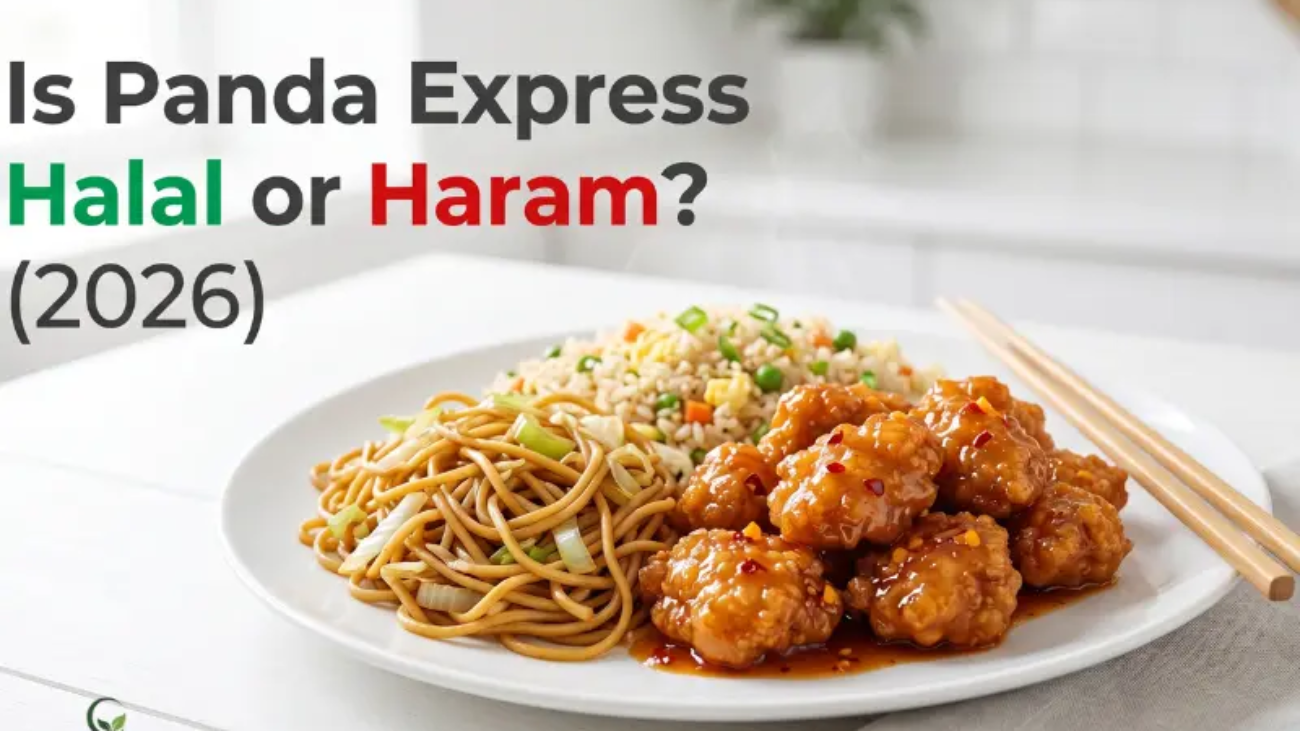
Panda Express is generally not considered halal because most of its chicken, beef, and other meat products are not halal-certified. The restaurant does not operate as a halal-certified fast-food chain, and its meat is not typically sourced from halal-certified suppliers.
Muslims who strictly follow halal dietary guidelines usually avoid Panda Express meat dishes. While some side items may not contain haram ingredients, the restaurant cannot generally be classified as halal due to the lack of verified halal meat and the possibility of cross-contamination during food preparation.
Panda Express is one of the largest Asian-inspired fast-food chains in the United States. Famous for menu items such as Orange Chicken, Beijing Beef, Honey Walnut Shrimp, Kung Pao Chicken, and Chow Mein, the restaurant serves millions of customers every year across hundreds of locations.
Because of its popularity, many Muslims ask questions such as “Is Panda Express halal or haram?” and “Is Panda Express halal?” These questions are especially common among Muslim travelers, students, and families looking for convenient dining options.
Many people assume that if food does not contain pork, it must automatically be halal. However, Islamic dietary laws require much more than simply avoiding pork. The meat itself must come from halal-certified sources, be slaughtered according to Islamic guidelines, and be prepared in a manner that avoids contamination with non-halal ingredients.
This guide explains Panda Express’s halal status, ingredients, meat sourcing practices, pork content, and what Muslim consumers should know before ordering from the restaurant.
What Makes Food Halal?

Halal means “permissible” according to Islamic dietary laws. Foods that meet Islamic requirements can be consumed by Muslims, while foods that violate these requirements are considered haram.
For meat to be halal, it should:
- Come from a halal animal.
- Be slaughtered according to Islamic requirements.
- Avoid pork ingredients.
- Avoid alcohol-based ingredients.
- Be prepared in a clean environment.
- Not be contaminated by non-halal foods during preparation.
Halal Requirements
| Requirement | Needed for Halal? |
| Halal slaughter | Yes |
| No pork ingredients | Yes |
| No alcohol ingredients | Yes |
| Clean preparation | Yes |
| Halal-certified supplier | Preferred |
If these conditions are not met, many Muslims consider the food non-halal and choose not to consume it.
Is Panda Express Halal?
The simple answer is no.
Panda Express does not generally advertise its restaurants as halal-certified. The company does not operate a nationwide halal program, and its meat products are usually not sourced from halal-certified suppliers.
Because halal certification is absent in most locations, many Muslims do not consider Panda Express meat dishes halal. Even though the restaurant offers chicken, beef, shrimp, vegetables, rice, and noodle dishes, the lack of halal verification remains a major concern.
For Muslims who require clear halal certification before consuming meat, Panda Express is generally not considered a suitable option.
Is Panda Express Halal in the United States?

Most Panda Express locations in the United States are not halal-certified.
The restaurant chain does not publicly market its meat products as halal, and there is no widespread halal certification program across its US restaurants. Unlike some restaurant chains that offer halal-certified meat in specific regions, Panda Express does not generally provide such assurances.
As a result, Muslims who require halal-certified meat generally avoid Panda Express chicken and beef dishes.
Panda Express USA Halal Status
| Question | Answer |
| Halal-certified restaurants? | No |
| Halal-certified chicken? | Generally No |
| Halal-certified beef? | Generally No |
| Fully halal menu? | No |
| Suitable for strict halal diets? | No |
For Muslims seeking halal-certified meat, Panda Express is usually not considered a reliable dining option.
Ingredients Analysis
The ingredients used in Panda Express menu items vary depending on the dish.
Many vegetables, rice dishes, and noodle products are generally considered halal-friendly from an ingredient perspective. However, the biggest concern remains the source of the meat and certain sauce ingredients.
Ingredient Analysis
| Ingredient | Halal Status |
| Chicken | Not Halal-Certified |
| Beef | Not Halal-Certified |
| Shrimp | Generally Permissible |
| Vegetables | Halal |
| Rice | Halal |
| Noodles | Usually Halal |
| Sauces | May Vary |
Some menu items may also contain cooking wine, alcohol-based flavorings, or ingredients that require additional verification. Because recipes can change over time, customers should always review the latest ingredient information directly from Panda Express.
Does Panda Express Serve Pork?
Yes, Panda Express serves pork-based menu items in many locations.
Certain dishes may contain pork or pork-derived ingredients. Since pork is clearly prohibited in Islam, Muslims should carefully review menu ingredients before ordering.
Pork Content Overview
| Menu Category | Contains Pork? |
| Orange Chicken | No |
| Beijing Beef | No |
| Honey Walnut Shrimp | No |
| Some Specialty Dishes | May Contain Pork |
| Pork-Based Entrées | Yes |
The presence of pork products also raises concerns about shared cooking equipment, utensils, and preparation areas.
Is Panda Express Chicken Halal?
Panda Express chicken is generally not considered halal because it is not usually sourced from halal-certified suppliers.
Popular menu items such as:
- Orange Chicken
- Kung Pao Chicken
- Grilled Teriyaki Chicken
- Mushroom Chicken
- Black Pepper Chicken
are not typically marketed as halal-certified.
Since there is no widespread halal certification for these products, many Muslims choose to avoid them altogether.
What About Seafood Options?
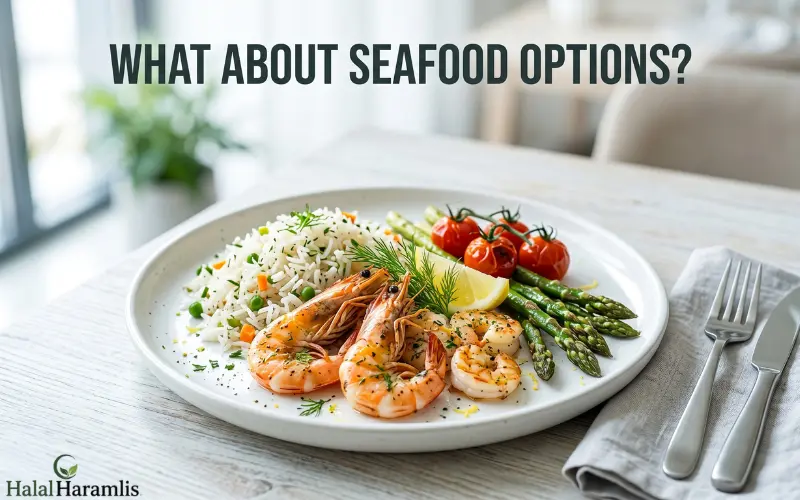
Some Muslims wonder whether seafood dishes at Panda Express are halal.
Items such as Honey Walnut Shrimp may be considered permissible by many Islamic scholars because shrimp is generally regarded as halal. However, there are still concerns regarding preparation methods, shared cooking equipment, and sauces used in the dish.
Therefore, while seafood may appear to be a safer option than chicken or beef, Muslims seeking complete halal assurance may still prefer halal-certified restaurants.
Cross-Contamination Concerns
Cross-contamination is another issue that many Muslims consider when eating at non-halal restaurants.
Cross-contamination can happen when:
- Halal-friendly foods share cooking surfaces.
- Utensils are used for both halal and non-halal foods.
- Food comes into contact with pork products.
- Shared preparation areas are used.
- Fryers are used for multiple menu items.
Since Panda Express is not a halal-certified restaurant, some Muslims choose to avoid the restaurant entirely to eliminate uncertainty.
Can Muslims Eat Panda Express?
The answer depends on personal religious practice and interpretation.
Some Muslims avoid all non-halal-certified meat and therefore do not eat Panda Express meat dishes under any circumstances.
Others may choose vegetarian or seafood options if they believe those items do not contain haram ingredients. However, even these customers may remain cautious because of shared preparation areas and possible cross-contamination.
Those seeking complete halal assurance generally prefer restaurants that clearly display halal certification.
Why Many Muslims Avoid Panda Express
There are several reasons why Muslims often avoid Panda Express.
Lack of Halal Certification
The company does not generally certify its meat as halal.
Presence of Pork Products
Some locations serve pork-based menu items, which creates concerns for Muslim consumers.
Shared Preparation Areas
Cross-contamination concerns exist in non-halal restaurants where multiple food types are prepared together.
Unclear Meat Sources
The meat is not usually sourced from halal-certified suppliers.
Possible Alcohol-Based Ingredients
Some sauces and marinades may contain ingredients that require further verification.
Because of these factors, many Muslims choose alternative dining options that provide clear halal certification.
Halal-Friendly Alternatives
If you are looking for halal-certified Asian food, several alternatives may be better choices.
Alternative Options
| Food Type | Alternative |
| Chinese Food | Halal Chinese Restaurant |
| Fried Chicken | Halal Chicken Restaurant |
| Beef Dishes | Halal Asian Restaurant |
| Family Meals | Halal-Certified Restaurant |
Many cities now have halal-certified Chinese, Thai, Malaysian, and Asian fusion restaurants that offer similar flavors while meeting Islamic dietary requirements.
Always verify halal certification before ordering.
See Also:
- Is Gelatin Halal or Haram?
- Is Jollibee Halal or Haram?
- Is Starburst Halal?
- Is Feastables Halal or Haram?
- Is Chipotle Halal or Haram?
- Is Jelly Halal or Haram?
- Is KFC Halal or Haram?
- Is Wingstop Halal or Haram?
- Are Takis Halal or Haram?
- Are Nerds Gummy Clusters Halal or Haram?
- Is Shrimp Halal or Haram?
- Is Chocolate Liquor Halal or Haram?