is cava halal (3)

Is CAVA Halal or Haram?

CAVA is not fully halal worldwide, but some locations use halal-certified chicken and lamb depending on regional suppliers and customer demand. Because the restaurant operates with different supply chains in different cities and countries, the halal status cannot be applied globally to every branch.

CAVA has become one of the fastest-growing Mediterranean fast-casual brands, known for customizable bowls, pitas, dips, and grilled proteins. Mediterranean cuisine often overlaps with halal-friendly food, which is why many Muslims naturally assume the restaurant may be halal. However, halal compliance depends on several strict requirements including meat sourcing, slaughter method, kitchen handling, and certification. This means Muslims should always verify their local branch before eating there.

Quick Halal Status Overview

CategoryHalal StatusWhat It Means
USA LocationsNot halal-certifiedMost branches use standard suppliers
Canada/EuropeVariesVerification required
Muslim CountriesSometimes halalDepends on supplier laws
Chicken & LambLocation dependentMay or may not be halal
Falafel & Veg ItemsGenerally halal-friendlyCross-contamination still possible

What Is CAVA?

CAVA is a Mediterranean-inspired fast casual restaurant built around the concept of customizable healthy bowls and pita wraps. Customers can choose a base such as rice or greens, add dips like hummus and tzatziki, then finish with vegetables and grilled protein. The restaurant markets itself as fresh, clean, and wholesome food inspired by Greek and Middle Eastern flavors.

Because its menu includes hummus, olives, tahini, falafel, and lamb, the cuisine naturally overlaps with traditional halal dishes. This strong similarity is one of the biggest reasons many Muslim customers question whether the food is halal. Unfortunately, similarity in cuisine does not guarantee halal compliance, as halal rules extend far beyond ingredients alone.

Why Muslims Ask If CAVA Is Halal

The question exists mainly because Mediterranean food is widely associated with halal cuisine. Many people grow up eating halal shawarma, kebabs, and falafel, which makes a Mediterranean restaurant feel familiar and safe. When customers see similar menu items at CAVA, they assume the preparation follows halal standards.

Another reason is the rise of halal awareness. Muslim consumers today are far more careful about food sourcing than in previous decades. Social media and halal food directories have made it easier to question and verify restaurant practices. When people see mixed online opinions about a brand, curiosity naturally grows.

A third reason is the global nature of restaurant chains. Some branches in Muslim-majority countries may serve halal meat, while branches in Western countries may not. This leads to conflicting experiences and confusion online.

Does CAVA Use Halal Meat?

For meat to be halal, the animal must be slaughtered according to Islamic law. This includes invoking the name of Allah during slaughter, ensuring the animal is healthy, and draining the blood completely. Certification bodies verify these requirements and confirm the meat is halal.

Most CAVA locations in Western countries do not publicly advertise halal certification. Without official confirmation, strict halal consumers generally consider the meat non-halal or doubtful. However, in regions with strong halal demand, restaurants sometimes change suppliers and provide halal-certified meat.

This difference in sourcing is the main reason halal status varies so widely by location.

Meat Source Comparison Table

RegionChickenLambNotes
USANot halal-certifiedNot halal-certifiedStandard suppliers
CanadaNot confirmed halalNot confirmed halalVerify locally
UK / EuropeVaries by branchVaries by branchAsk restaurant
Middle EastOften halalOften halalLocal regulations
Southeast AsiaOften halalOften halalDemand-driven

Is CAVA Chicken Halal?

Chicken is one of the most popular protein choices at CAVA. In most Western locations, halal certification is not publicly confirmed. Without certification, many Muslims avoid eating the chicken because the slaughter method is unknown.

However, in some regions where halal demand is high, branches may switch to halal-certified suppliers. This means the halal status can change depending on the city and country. The safest approach is always to ask the specific restaurant.

Is CAVA Lamb Halal?

Lamb is commonly halal in traditional Mediterranean cuisine, but restaurant supply chains do not always follow religious standards. Many customers assume lamb is automatically halal everywhere, which is not always correct.

For lamb to be halal, the slaughter process must follow Islamic rules. Without certification or confirmation, the halal status of lamb remains uncertain in many Western branches.

Cross-Contamination in CAVA Kitchens

Even if halal meat were available, kitchen practices are equally important. Fast-casual restaurants typically use shared preparation areas, grills, and utensils. This creates a risk of cross-contamination between halal and non-halal foods.

For example, if halal meat is cooked on the same grill as non-halal meat, strict halal consumers may consider the food doubtful. Shared fryers and preparation surfaces can also introduce uncertainty.

Ingredient Concerns Beyond Meat

Halal status includes all ingredients, not only meat. Dressings, cheeses, and sauces can sometimes contain hidden animal derivatives or alcohol-based flavor extracts. These ingredients are often overlooked but are important in halal verification.

Even small amounts of non-halal ingredients can make a meal doubtful. This is why certification and ingredient transparency are so important.

Ingredient Risk Table

IngredientConcern LevelReason
ChickenHighSlaughter method unknown
LambHighCertification varies
CheeseMediumPossible animal rennet
SaucesMediumAlcohol extracts possible
DressingsMediumHidden additives
FalafelLowPlant-based but shared prep

Are CAVA Falafel and Vegetarian Items Halal?

Falafel, hummus, rice, pita, and vegetables are naturally halal-friendly foods. For Muslims who follow a flexible approach, vegetarian items may be acceptable options.

However, strict halal consumers still consider cross-contamination risks. Shared utensils and preparation areas may be used for both halal and non-halal items, which creates uncertainty.

Are CAVA Sauces and Dressings Halal?

CAVA is famous for sauces like garlic dressing, tahini, and harissa. Many of these are plant-based, but some dressings may include vinegar or flavor extracts that raise halal concerns.

Without certification, it is difficult to guarantee that every ingredient meets halal standards. This uncertainty is why many Muslims prefer certified restaurants.

Regional Halal Availability

RegionHalal AvailabilityRecommendation
USARarely halalAvoid if strict
CanadaRarely halalVerify branch
UKSometimes halalAsk locally
UAE / GulfOften halalConfirm certification
Malaysia / IndonesiaOften halalHigh likelihood

Why Fast-Casual Chains Cause Halal Confusion

Global restaurant chains rarely operate under one universal supply chain. Each country has different regulations, suppliers, and customer expectations. This means the same restaurant can be halal in one country and non-halal in another.

Because of this, online information often appears contradictory. Both halal and non-halal claims can be true depending on the location being discussed.

Why Halal Certification Matters

Halal certification removes uncertainty by ensuring the entire supply chain follows Islamic dietary rules. Certification bodies verify meat sourcing, ingredient safety, and kitchen practices.

Without certification, halal status often remains unclear. This is why scholars encourage Muslims to choose certified restaurants whenever possible.

How To Verify Your Local Branch

The most reliable way to confirm halal status is direct verification. Customers can ask the restaurant staff, check official announcements, or look for halal certification signage in-store. Since suppliers may change, regular verification is recommended.

Comparison Table: CAVA vs Halal Requirements

RequirementHalal StandardCAVA Status
Halal SlaughterRequiredNot confirmed globally
No Cross ContaminationRequiredShared kitchens
Halal CertificationRecommendedRare in Western countries
Ingredient TransparencyRequiredLimited disclosure

Is CAVA Halal According to Scholars?

Islamic scholars generally advise Muslims to avoid doubtful food. If halal certification is unavailable and sourcing is unclear, the safest choice is to avoid the meat and choose certified alternatives.

We hope you guys find this guide helpful ,here we have more for you:

Is Dave’s Hot Chicken Halal?

Is Shake Shack Halal?

Is Sushi Halal or Haram?

Are Nerds Gummy Clusters Halal or Haram?

FAQs

Is CAVA chicken halal?

No. CAVA chicken is not halal certified.

Is CAVA lamb halal?

No, lamb is also not halal.

Does CAVA use halal meat anywhere?

Currently, no locations are officially halal.

Can Muslims eat falafel at CAVA?

Yes, falafel is halal-friendly.

Is CAVA hummus halal?

Yes, hummus is generally halal.

Are CAVA sauces halal?

Some are halal; some may contain alcohol traces.

Is CAVA safe for vegetarians?

Yes, very vegetarian-friendly.

Is CAVA safe for vegans?

Yes, many vegan options are available.

Is CAVA similar to halal Mediterranean food?

The taste is similar, but halal status is different.

Is cross-contamination possible?

Yes, kitchen equipment is shared.

Should strict Muslims avoid CAVA?

Yes, especially the meat.

What is the safest halal order at CAVA?

A fully vegan bowl with falafel, rice, and vegetables.

Conclusion

CAVA is not globally halal, and most Western locations do not carry halal certification. While some international branches may offer halal meat, the status depends entirely on the specific location and supplier. Without certification, halal status remains uncertain for strict halal consumers.

For Muslims seeking full confidence, verifying each branch is essential. Choosing halal-certified restaurants remains the safest and most reliable option.

Is Dave’s Hot Chicken Halal

Is Dave’s Hot Chicken Halal or Haram?

Short answer: It depends on the location. Dave’s Hot Chicken is not fully halal worldwide, but some international branches may use halal-certified chicken based on regional demand and suppliers.

Dave’s Hot Chicken has become extremely popular for its Nashville-style spicy chicken, so many Muslim consumers want a clear halal ruling before eating there. The challenge is that the company does not follow a single global halal policy. Instead, each country and franchise location may work with different meat suppliers and ingredient sources. Because of this, halal status can change from one city to another, which creates confusion online and mixed customer reports.

Quick Overview Table

CategoryHalal StatusBest Advice
USA LocationsNot halal-certifiedAvoid if strict
Canada LocationsNot halal-certifiedAvoid if strict
Middle East / Muslim CountriesSometimes halalVerify branch
Chicken SourceRegion-dependentAsk restaurant
Cross ContaminationHigh riskImportant concern
Safest OptionHalal-certified restaurantsConfirm locally

What Is Dave’s Hot Chicken?

Dave’s Hot Chicken started as a small parking-lot pop-up in Los Angeles and quickly turned into a global fast-food brand. The restaurant focuses on Nashville-style hot chicken served at different spice levels, ranging from mild to extremely spicy “Reaper” heat.

The menu is intentionally simple and centers around chicken tenders, chicken sliders, fries, and signature sauces. Because almost the entire menu revolves around chicken, the halal status of the meat becomes the most important factor for Muslim customers. Many people assume chicken restaurants may be halal by default, but halal compliance depends on slaughter method, ingredient sourcing, and kitchen handling.

Why People Ask If Dave’s Hot Chicken Is Halal

Halal awareness has grown significantly in recent years. Muslim consumers now research restaurants carefully before dining out. The brand’s rapid global expansion has created mixed information across social media and forums. Some customers confirm halal meat in certain countries, while others state it is not halal in Western regions. Both statements can be true because supply chains differ by region.

Another reason this question is searched frequently is the nature of the menu. Since the restaurant specializes almost entirely in chicken, consumers naturally want confirmation that the meat follows Islamic slaughter guidelines.

Does Dave’s Hot Chicken Use Halal Chicken?

This is the most important factor when determining halal status. For chicken to be halal, it must be slaughtered according to Islamic rules. The slaughter must be performed by a Muslim or person of the Book, Allah’s name must be mentioned, and the blood must be fully drained.

Most Dave’s Hot Chicken locations in the United States do not publicly confirm halal slaughter. Without official halal certification or transparent sourcing information, strict halal consumers generally consider the food not halal. However, in Muslim-majority countries, restaurants often adapt their supply chains to meet local demand, meaning some international branches may offer halal-certified chicken.

Chicken Source Comparison Table

RegionChicken StatusNotes
USANot halal-certifiedStandard suppliers
CanadaNot halal-certifiedNo certification
UK / EuropeUsually not halalVerify locally
UAE / Middle EastSometimes halalDemand driven
Southeast AsiaMay varyLocation specific

Cross-Contamination Risks in the Kitchen

Even if halal meat were available in certain locations, kitchen practices remain a major concern. Many branches cook all food in the same kitchen environment using shared fryers, grills, preparation surfaces, and utensils. If non-halal items are cooked in the same oil or on the same equipment, cross-contamination becomes a serious issue.

For Muslims who follow strict halal guidelines, cross-contamination can make otherwise halal meat questionable. This is one of the main reasons halal certification is so important for fast-food chains.

Ingredients Beyond Chicken

Halal status is not limited to meat alone. Many fast-food ingredients can contain animal-derived or alcohol-based components. Cheese may contain animal rennet, sauces can include alcohol-based flavor extracts, and seasoning blends may contain unclear additives. These factors make full halal verification more complex than simply checking the chicken source.

Ingredient Concern Table

IngredientConcern LevelWhy It Matters
ChickenHighSlaughter method
SeasoningsMediumHidden additives
CheeseMediumRennet source
SaucesMediumAlcohol flavoring
Frying OilMediumShared fryers

Are Dave’s Hot Chicken Fries Halal?

French fries may appear halal because they are plant-based, but preparation methods matter greatly. If fries are cooked in shared fryers with non-halal chicken, cross-contamination becomes possible. In halal-certified regions fries are usually safe, but in non-halal locations strict consumers may avoid them due to shared cooking equipment.

Are Dave’s Hot Chicken Sauces Halal?

Signature sauces are a major part of the brand’s flavor. These sauces typically contain spices, mayonnaise, preservatives, and flavorings. Most sauces are considered low to moderate concern, but alcohol-based extracts or unclear flavorings can create uncertainty. Without halal certification, full verification remains difficult.

Regional Differences in Halal Status

Global restaurant chains rarely operate with one universal supply chain. Instead, they adapt to local regulations and customer demand. In Muslim-majority countries, halal sourcing is often required by law or strongly expected by consumers. In Western countries, halal certification is optional, which explains why many locations do not pursue it.

Regional Halal Availability Table

RegionHalal Availability
USANot halal
CanadaNot halal
UKUsually not halal
EuropeRarely halal
UAEOften halal
Saudi ArabiaUsually halal
Malaysia / IndonesiaOften halal

Why Fast Food Chains Create Halal Confusion

Many people assume global brands follow identical standards everywhere. In reality, each country has different suppliers, regulations, and ingredient sourcing. The same restaurant chain can therefore be halal in one country and non-halal in another. Without checking local certification, assumptions can lead to confusion.

Importance of Halal Certification

Halal certification is the easiest way to remove uncertainty. Certified restaurants undergo regular audits to ensure compliance with Islamic dietary guidelines. Certification covers slaughter methods, ingredients, kitchen practices, and storage procedures. Without certification, halal status usually remains uncertain.
How to Check If Your Local Branch Is Halal

The best approach is always direct verification. Customers can contact the restaurant, check official announcements, or look for halal certification displayed at the location. Because suppliers and policies can change over time, relying on old information may lead to incorrect conclusions.

Halal Alternatives to Dave’s Hot Chicken

The halal fast-food market continues to grow rapidly worldwide. Many halal-certified chicken restaurants now exist in major cities, offering similar flavors without uncertainty. Choosing certified options provides peace of mind for halal-conscious consumers.

Common Misunderstandings About Dave’s Hot Chicken Halal Status

One common misconception is that chicken restaurants are automatically halal. Halal compliance depends on the slaughter method and certification, not the type of meat alone. Another misunderstanding is that vegetarian sides make a restaurant halal. Cross-contamination and shared equipment still matter.

We hope you guys find this guide helpful ,here we have more for you:

Is Shake Shack Halal?

Is Sushi Halal or Haram?

Are Nerds Gummy Clusters Halal or Haram?

Are Takis Halal or Haram?

FAQs

Is Dave’s Hot Chicken halal worldwide?

No, halal status depends on the country and specific location.

Is Dave’s Hot Chicken halal in the USA?

Most US locations are not halal-certified.

Is Dave’s Hot Chicken halal in Canada?

Canadian locations are generally not halal.

Is Dave’s Hot Chicken halal in the Middle East?

Some branches may use halal chicken, but verification is required.

Does Dave’s Hot Chicken serve pork?

The menu focuses on chicken, but cross-contamination remains possible.

Are Dave’s Hot Chicken fries halal?

It depends on shared fryers and the specific location.

Are Dave’s Hot Chicken sauces halal?

They are usually low concern, but not fully verified.

Why does halal status vary by country?

Because suppliers and regulations differ.

Can Muslims eat at Dave’s Hot Chicken?

Only if the branch is halal-certified.

How can I verify halal status?

Ask staff or check certification signage.

What is the safest option?

Choose fully halal-certified restaurants.

Is chicken automatically halal?

No, the slaughter method determines halal status.

Conclusion

Dave’s Hot Chicken is not globally halal, and most Western locations are not halal-certified. While some international branches may offer halal chicken, the status depends entirely on the specific location and supplier. For strict halal eaters, verification is essential before visiting any branch, and choosing halal-certified restaurants remains the safest option.

Is Shake Shack Halal

Is Shake Shack Halal or Haram?

Is Shake Shack halal? Shake Shack is not fully halal worldwide. Most locations in the USA, UK, and Europe are not halal-certified, while many branches in the Middle East use halal meat. Because suppliers and kitchen practices change by country, the halal status depends on the exact location. Always verify your local restaurant before eating.

Shake Shack is one of the most popular premium fast-food chains in the world, famous for its burgers, chicken sandwiches, fries, and milkshakes. As the brand expanded globally, many Muslim consumers began asking an important question: Is Shake Shack halal or haram?

The answer is not simple because Shake Shack does not follow one global halal policy. Some countries offer halal-certified meat, while others do not. This guide explains everything clearly so halal-conscious readers can make informed decisions before visiting Shake Shack.

Quick Overview Table

CategoryHalal StatusBest Advice
Shake Shack USA/CanadaNot halal-certifiedAvoid if strict
Shake Shack UK/EuropeNot halal-certifiedAvoid if strict
Shake Shack Middle EastOften halal-certifiedVerify branch
Cross-contamination riskPossibleAsk staff
Safest optionHalal-certified restaurantsConfirm locally

What Is Shake Shack?

Shake Shack started as a small hot dog cart and quickly grew into a global fast-casual burger chain. Today it operates in dozens of countries and serves millions of customers each year.

The menu focuses on:

  • Angus beef burgers
  • Chicken sandwiches and nuggets
  • Hot dogs and fries
  • Frozen custard and milkshakes

Because the brand markets itself as using high-quality beef and fresh ingredients, many Muslim consumers naturally assume the food might be halal. Unfortunately, quality and halal certification are two completely different things.

Global chains rarely use identical suppliers worldwide, which is why halal status must always be checked country by country.

Why Shake Shack Does Not Offer Global Halal Certification

One of the biggest misconceptions is that global restaurant chains operate with a single food policy everywhere. In reality, fast-food brands rely on local supply chains.

There are several reasons Shake Shack does not implement a worldwide halal policy:

First, halal certification requires specific slaughter methods, supplier audits, and kitchen procedures. Implementing these globally would require major changes in Western supply chains.

Second, demand for halal food differs by region. In Muslim-majority countries, halal sourcing is expected and often required by law. In Western countries, halal demand exists but is not the industry standard.

Third, restaurants that serve pork products face separate kitchen and equipment challenges. Many Western Shake Shack branches serve bacon, making halal certification more complex.

Because of these factors, the company adapts its sourcing based on the country.

Why People Ask If Shake Shack Is Halal

The halal status of Shake Shack is a very popular search query worldwide. There are several reasons this question appears so often.

One major reason is growing halal awareness. Muslim consumers today research ingredients and sourcing more carefully than ever before.

Another reason is conflicting information online. Some customers report halal menus in Middle Eastern countries, while others confirm the opposite in Western countries. Both are true, which creates confusion.

Finally, Shake Shack specializes in beef and chicken burgers, foods that require halal slaughter verification. This naturally makes the halal question more important.

Does Shake Shack Use Halal Meat?

This is the most critical question for halal-conscious diners.

Shake Shack states that its beef is 100% Angus with no hormones or antibiotics, but this statement does not confirm halal slaughter.

For meat to be halal, animals must be slaughtered according to Islamic guidelines and the supply chain must remain free from pork contamination.

Most Western Shake Shack locations do not publicly confirm halal slaughter, which is why strict halal consumers usually avoid them.

However, Middle Eastern branches often work with halal-certified suppliers, which changes the halal status significantly.

Meat Source Comparison Table

RegionBeef StatusChicken Status
USANot halal-certifiedNot halal-certified
UKNot halal-certifiedNot halal-certified
CanadaNot halal-certifiedNot halal-certified
UAEOften halal-certifiedUsually halal
Saudi ArabiaHalal-certifiedHalal-certified

Is Shake Shack Beef Halal?

Beef is the core ingredient in Shake Shack’s menu, making its halal status extremely important.

In Western countries, Shake Shack beef is typically sourced from standard commercial suppliers without halal certification. This means strict halal consumers generally consider it unsuitable.

In Muslim-majority countries, beef is often sourced from halal-certified suppliers due to local demand and regulations.

This difference highlights the most important takeaway:
Shake Shack beef halal status depends entirely on the country.

Cross-Contamination Concerns

Even in locations that may use halal meat, kitchen practices remain a major concern.

Many Shake Shack restaurants serve bacon and other pork products. This means grills, fryers, and utensils may be shared between halal and non-halal items.

For strict halal consumers, cross-contamination is just as important as the meat source. Restaurants that serve pork often cannot guarantee full separation.

This is one reason many halal diners prefer restaurants that serve only halal food.

Is Shake Shack Halal for Different Levels of Halal Practice?

Muslims follow halal guidelines with different levels of strictness.

Some consumers only eat at fully halal-certified restaurants. For them, Western Shake Shack branches are not suitable.

Others take a moderate approach and may consider vegetarian or dessert items acceptable if ingredients are verified.

Understanding your personal comfort level helps you make informed decisions when eating out.

Chicken and Other Meat Items

Shake Shack’s chicken sandwiches and nuggets raise the same halal questions as their beef products.

In Western countries, chicken is usually not halal-certified. Supplier details are rarely publicly verified, making it difficult for strict halal consumers.

In Middle Eastern branches, chicken is often halal-certified due to local sourcing requirements.

Again, location determines everything.

Ingredients Beyond Meat

Halal status is not limited to meat alone. Many fast-food products contain additional ingredients that require verification.

Cheese may contain animal rennet. Sauces can include alcohol-based flavor extracts. Frying oil may be shared with non-halal foods.

These factors make halal verification more complex than many people expect.

Ingredient Concern Table

IngredientConcern LevelWhy It Matters
BeefHighSlaughter method
ChickenHighSupplier certification
CheeseMediumRennet source
SaucesMediumFlavorings/alcohol
Frying OilMediumCross contamination

Are Shake Shack Fries Halal?

Fries often appear halal at first glance because they are potato-based. However, preparation methods matter.

Shared fryers can create cross-contamination. Flavor additives may also introduce halal concerns.

In halal-certified regions, fries are usually safe. In Western branches, strict halal consumers may still avoid them.

Milkshakes and Desserts

Milkshakes and frozen custard are generally lower concern compared to meat products. However, some ingredients still require awareness.

Gelatin toppings, alcohol-based flavor extracts, and cross-contact risks can affect halal suitability.

Many consumers consider plain shakes acceptable, but strict halal eaters still verify ingredients.

Regional Differences in Halal Status

Shake Shack adapts its supply chain based on local markets.

RegionHalal Availability
USANot halal
UKNot halal
EuropeUsually not halal
UAEMostly halal
Saudi ArabiaHalal
Qatar/KuwaitOften halal

Why Fast Food Creates Halal Confusion

Global restaurant chains use local suppliers. This means the same brand can be halal in one country and non-halal in another.

Many consumers assume consistency across countries, which leads to confusion.

Understanding regional sourcing helps explain why halal status changes.

Halal Certification and Restaurants

Halal certification provides the highest level of assurance. Certified restaurants undergo audits for ingredient sourcing and kitchen practices.

Certification removes uncertainty and gives consumers confidence when dining out.

How to Check Your Local Branch

The best way to confirm halal status is to contact the restaurant directly or check official announcements for your country.

We hope you guys find this guide helpful ,here we have more for you:

FAQs

Is Shake Shack halal worldwide?

No, halal status depends on the country and branch.

Is Shake Shack halal in the USA?

No, it is not halal-certified in the USA.

Is Shake Shack halal in the UK?

No, UK branches are not halal-certified.

Is Shake Shack halal in the UAE?

Many UAE locations serve halal-certified meat.

Does Shake Shack serve pork?

Yes, many branches serve bacon.

Are Shake Shack fries halal?

Depends on shared fryers and location.

Is Shake Shack chicken halal?

Usually not halal in Western countries.

Are milkshakes halal?

Generally low concern but verify ingredients.

Why does halal status vary by country?

Because suppliers and regulations differ.

Can Muslims eat at Shake Shack?

Only if the local branch is halal-certified.

How can I verify halal status?

Ask staff or check certification.

What is the safest option?

Eat at halal-certified restaurants.

Conclusion

Shake Shack is not globally halal, but some Middle Eastern locations offer halal-certified food. Western branches typically do not provide halal certification and may involve cross-contamination risks.

Because sourcing varies by country, the most important step is always verifying your local branch. When in doubt, halal-certified restaurants remain the safest choice.

is Burger king halal or haram

Is Burger King Halal or Haram?

Burger King is not halal worldwide, but it can be halal in certain countries depending on local suppliers, certification, and kitchen practices. In Muslim-majority regions, Burger King usually adapts its entire supply chain to meet halal requirements. However, in many Western countries the menu is not halal due to pork products, shared grills, alcohol-based ingredients, and lack of halal certification. This means the halal status of Burger King depends entirely on where you eat it.

The reason this question is confusing is simple: Burger King is not a single restaurant company operating one global kitchen. It is a massive franchise network where thousands of independent operators run restaurants under one brand name. Each country sources its own meat, follows local food laws, and chooses whether to pursue halal certification. Because of this, the halal answer changes from country to country and even from branch to branch.

Why This Question Is So Important Globally

Halal fast-food searches have exploded over the last decade. Millions of Muslims travel, study abroad, relocate for work, and interact daily with global food brands. Fast food is convenient, affordable, and everywhere. Naturally, people want to know whether they can eat at major chains without compromising their beliefs.

Burger King is one of the largest fast-food chains on Earth. When a brand is this global, halal confusion becomes inevitable. Many websites give a simple “yes” or “no,” but the real answer is far more detailed. This guide gives the most complete global explanation so readers can make informed decisions anywhere in the world.

The Burger King Franchise Model

To understand halal status, you must first understand how the company operates.

Burger King follows a franchise business model. This means:

  • The brand provides recipes, branding, and standards
  • Independent companies operate restaurants locally
  • Each region chooses its own suppliers
  • Local food laws determine ingredient sourcing

This system allows Burger King to adapt to local cultures and regulations, but it also means food practices differ dramatically between countries.

Why This Matters for Halal Status

Because suppliers and kitchens differ, the halal status cannot be universal. A halal Burger King in one country does not automatically make Burger King halal everywhere else.

What Makes Fast Food Halal or Haram?

is Burger king halal or haram

Many people assume halal simply means “no pork.” In reality, halal food involves several strict requirements.

Core Halal Requirements

  1. Animals must be slaughtered according to Islamic law
  2. Pork and pork derivatives must be completely avoided
  3. Alcohol ingredients must not be used
  4. Cross-contamination must be prevented

Fast-food kitchens are fast, busy, and highly industrialized, which makes maintaining these standards difficult.

Global Burger King Halal Categories

Burger King locations can be divided into three major categories.

Worldwide Halal Classification

CategoryDescriptionHalal Confidence
Fully Halal CountriesEntire supply chain halal certifiedHigh
Partially Halal CountriesSome branches halalMedium
Non-Halal CountriesNo certification and pork presentLow

Let’s explore each category in detail.

Fully Halal Burger King Countries

In Muslim-majority countries, halal compliance is often required by law or market demand. Burger King adapts its entire system in these regions.

What Changes in Halal Countries

  • Halal-certified slaughterhouses supply meat
  • Pork products are removed from the menu
  • Halal certification bodies inspect suppliers
  • Separate halal supply chains are created

These changes are not optional marketing decisions. They are essential for operating successfully in Muslim markets.

Examples of Fully Halal Regions

Region TypeTypical Situation
Middle EastFully halal menus and suppliers
Southeast AsiaGovernment halal certification
Some South Asian marketsHalal supply chains

In these countries, Burger King menus are designed specifically for Muslim consumers.

Partially Halal Countries: The Confusing Middle Ground

Some countries offer halal options only in selected branches. This is where confusion is highest.

Why partial halal exists:

  • Growing Muslim population
  • Limited halal demand in certain cities
  • Testing halal menus before expansion

The challenge is that not every branch follows the same standards.

Partial Halal Risks

IssueWhy It Matters
Limited halal branchesNot all locations are certified
Shared kitchensCross-contamination risk
Inconsistent labelingHard to verify

When traveling, always check the specific branch.

Non-Halal Countries

In many Western markets, Burger King does not offer halal meat.

Reasons include:

  • Pork products are core menu items
  • No legal halal requirement
  • Shared cooking equipment
  • No halal certification system

This makes most menu items unsuitable for halal diets.

Cross-Contamination: The Biggest Halal Concern

is Burger king halal or haram

Even when meat is halal, cross-contamination can make food doubtful or haram.

Real Kitchen Scenarios

  • Bacon cooked on the same grill as beef patties
  • Fries cooked in shared oil
  • Utensils reused across different meats
  • Shared preparation surfaces

This is one of the most important factors scholars discuss when evaluating fast food.

Hidden Ingredients That Can Make Food Haram

Fast food often contains processed ingredients that customers cannot see. Cheese may use animal rennet, sauces can include alcohol-based flavorings, and bread may contain animal-derived emulsifiers. Even desserts sometimes use gelatin from pork or non-halal beef.

Because global fast-food supply chains are complex, these hidden additives make it difficult to assume halal status without clear certification or transparency from the restaurant.

Hidden Ingredients Risks

IngredientPossible Concern
CheeseMay contain animal rennet
SaucesAlcohol-based flavoring
BreadAnimal-derived emulsifiers
DessertsGelatin sources

These ingredients are rarely visible to customers but are critical in halal decisions.

Fries seem vegetarian, but fryer systems matter.

Fries may be halal if:

  • Cooked in dedicated oil
  • No cross-frying with meat products

In non-halal countries, shared fryers often make fries doubtful.

Are Burger King Chicken Items Halal?

Chicken can be halal in certified regions but doubtful elsewhere.

Factors affecting chicken halal status:

  • Slaughter method
  • Supplier certification
  • Fryer separation

Are Burger King Beef Burgers Halal?

Beef burgers are the most debated item.

Key concerns:

  • Shared grills with bacon
  • Unknown slaughter methods
  • Cross-contamination

In Western countries, beef burgers are generally not halal.

Safest Menu Options When Unsure

When halal status is unclear, safer choices include:

  • Vegetarian burgers
  • Fish burgers (if separate fryer)
  • Salads without dressing
  • Coffee and soft drinks

These options reduce risk when certification is unavailable.

We hope you guys find this guide helpful ,here we have more for you:

FAQs

Is Burger King halal worldwide?

No, halal status depends on the country and branch.

Is Burger King halal in Muslim countries?

Yes, usually fully halal.

Is Burger King halal in the USA?

No, it is not halal.

Are Burger King fries halal?

Depends on fryer separation.

Is Burger King chicken halal?

Only in certified regions.

Are Burger King burgers halal?

Only where halal meat is used.

Does Burger King serve pork?

Yes, in many Western countries.

Is Burger King cheese halal?

Sometimes doubtful due to rennet.

Is Burger King fish burger halal?

Often safer but check fryer use.

Do all branches follow the same rules?

No, franchise locations differ.

Can Muslims eat vegetarian items?

Usually the safest option.

How can I confirm halal status?

Check certification or ask the branch.

Conclusion

Burger King’s halal status depends entirely on geography. The global franchise system allows the brand to adapt to local cultures, laws, and consumer demand. In halal-focused regions, Burger King operates fully halal supply chains. In many Western countries, the presence of pork products, shared cooking equipment, and lack of certification make most menu items unsuitable for halal diets. 

For Muslims living or traveling abroad, the best strategy is awareness. Understanding how global fast-food supply chains work empowers you to make confident, informed choices. Always verify local certification, ask questions when unsure, and remember that halal status is never universal for global restaurant chains.

Is Sushi Halal

Is Sushi Halal or Haram?

Is Sushi halal? Sushi can be halal, but it is not automatically halal by default. Whether sushi is halal or haram depends on the ingredients used in the rice, sauces, fillings, and the way it is prepared in the kitchen. Plain seafood and vegetable sushi are usually halal, but many popular sushi rolls contain hidden ingredients like alcohol-based rice vinegar, mirin, non-halal imitation crab, and cross-contamination with non-halal meat. Because of these risks, Muslims should never assume sushi is halal unless the restaurant clearly confirms halal ingredients and preparation.

Sushi is popular worldwide and often looks simple and healthy, so many Muslims believe it must be halal because it mainly contains fish, rice, and vegetables. However, modern sushi has evolved and now includes processed ingredients, alcohol seasonings, and shared cooking equipment. This makes it very important to understand what makes sushi halal or haram before eating it, so Muslims can enjoy sushi confidently without doubt.

Why Muslims Are Confused About Sushi

Sushi comes from Japan, where halal dietary rules are not traditionally followed. When sushi spread worldwide, restaurants modified recipes to suit modern tastes. These changes introduced alcohol-based ingredients, sauces, imitation seafood, and non-halal meats.

Because sushi looks light and fish-based, many Muslims assume it is automatically halal. The reality is more complex. Modern sushi includes flavor enhancers, cooking wines, marinades, and sauces that were never part of the original simple fish-and-rice dish.

This confusion is why “Is Sushi Halal?” has become one of the most searched halal food questions globally.

Sushi Properly Before Judging Its Halal Status

To know whether sushi is halal, we must first understand what sushi really is. Sushi does not mean raw fish. Sushi actually means vinegared rice. The rice is the heart of sushi, and the toppings are added afterward. These toppings can include seafood, vegetables, eggs, sauces, and sometimes meat.

Traditional sushi was very simple. It contained rice seasoned with vinegar and topped with fish. Modern sushi is very different. Restaurants now add sweet sauces, spicy mayo, imitation crab, teriyaki chicken, tempura batter, and even cheese. Each of these additions changes the halal ruling.

The halal status of sushi therefore depends on every ingredient and the kitchen environment where it is prepared.

The Main Rule of Halal Seafood in Islam

In Islam, seafood has a special ruling. Most scholars agree that seafood is halal without the need for halal slaughter. This means fish and many sea creatures can be eaten freely.

Because of this rule, plain fish sushi is usually halal. Salmon, tuna, and shrimp sushi without alcohol or haram sauces are generally permissible.

However, the moment alcohol, non-halal meat, or cross contamination enters the preparation process, the halal ruling changes completely.

The Hidden Ingredient That Changes Everything: Alcohol in Sushi Rice

Is Sushi Halal

The biggest halal issue in sushi is not the fish. It is the rice.

Traditional sushi rice is seasoned with vinegar, sugar, and salt. But modern restaurant sushi rice often contains mirin or sake. Mirin is a sweet rice wine, and sake is a Japanese alcoholic drink made from rice.

Even small amounts of alcohol used in cooking are considered haram by many scholars. Because mirin is added directly to sushi rice, this makes many restaurant sushi dishes problematic.

This is the single biggest reason why sushi cannot be assumed halal.

Core Sushi Ingredients and Their Halal Status

IngredientCommon Use in SushiHalal Status
Fresh fish (salmon, tuna)Main toppingHalal
Shrimp and seafoodRolls and nigiriHalal
Rice vinegarRice seasoningHalal
Sugar and saltRice seasoningHalal
Mirin (sweet rice wine)Rice and saucesHaram
Sake (rice wine)Marinades and riceHaram
Soy sauceDipping sauceUsually halal
Spicy mayoSauce toppingDoubtful

Why Sushi Sauces Are a Major Halal Concern

Modern sushi is heavily dependent on sauces. These sauces add sweetness and flavor, but many of them contain mirin or alcohol-based flavoring.

Teriyaki sauce, eel sauce, and spicy mayo are extremely popular. Unfortunately, they are also among the most problematic ingredients for Muslims. Mirin is often used to balance flavor, and alcohol-based flavor extracts are commonly added to enhance taste.

Because sauces are poured directly over sushi, even halal seafood becomes doubtful or haram when these sauces are used.

The Problem With Imitation Crab in Sushi

One of the most common sushi ingredients worldwide is imitation crab, also called crab stick. Many people assume it is seafood, but it is actually processed fish paste mixed with starch, sugar, and flavoring.

Some brands use non-halal gelatin, alcohol-based flavoring, or other doubtful additives. Since restaurants rarely disclose the exact brand used, the halal status becomes uncertain.

This is why scholars often classify imitation crab sushi as doubtful unless verified halal.

Popular Sushi Sauces and Their Halal Risk Level

Sauce NameCommon IngredientsHalal Risk
Soy sauceFermented soybeansLow risk
Teriyaki sauceSoy, sugar, mirinHigh risk
Eel sauceSoy, sugar, mirinHigh risk
Spicy mayoMayo + chili sauceMedium risk
Ponzu sauceCitrus + soy + mirinHigh risk

Chicken and Beef Sushi: The Biggest Red Flag

Sushi restaurants now offer chicken rolls, beef rolls, and even steak sushi. While these may look appealing, they are usually not halal.

In most non-Muslim countries, chicken and beef are not slaughtered according to halal standards. Even if the meat is cooked thoroughly, the slaughter method matters in Islam.

Because of this, chicken and beef sushi in regular restaurants are generally considered haram unless the restaurant is halal certified.

Cross Contamination: The Hidden Kitchen Risk

Is Sushi Halal

Many Muslims focus only on ingredients and forget the kitchen environment. Sushi chefs use the same knives and cutting boards for all types of sushi. If pork sushi or non-halal meat is prepared in the same space, cross contamination becomes a serious concern.

Islamic dietary rules emphasize cleanliness and separation from pork. If halal sushi touches surfaces used for pork, it can become haram.

This is why halal certification is so important for sushi restaurants.

Halal Status of Popular Sushi Types

Sushi TypeTypical IngredientsHalal Status
Salmon nigiriRice + salmonUsually halal
Tuna nigiriRice + tunaUsually halal
Avocado rollRice + avocadoHalal
Cucumber rollRice + cucumberHalal
California rollImitation crabDoubtful
Spicy tuna rollMayo sauceDoubtful
Chicken teriyaki rollNon-halal chickenUsually haram
Beef sushiNon-halal beefUsually haram

Is Vegetarian Sushi Always Halal?

Vegetarian sushi seems safe, but sauces can still make it doubtful. Even vegetable rolls may contain spicy mayo or be prepared with alcohol-seasoned rice.

Simple cucumber or avocado rolls without sauces are usually safe options.

How Sushi Became So Different From Traditional Sushi

Traditional sushi in Japan was simple and minimal. Western sushi became bigger, sweeter, and more sauce-heavy. Cream cheese rolls, fried tempura rolls, and sweet sauces changed sushi dramatically.

These changes introduced many halal concerns that did not exist in traditional sushi.

Understanding this evolution helps Muslims make better food choices.

How to Order Halal Sushi Safely

Ordering halal sushi requires asking the right questions. Many Muslims feel shy asking restaurants about ingredients, but it is essential.

You should ask whether mirin or sake is used in the rice and sauces. This single question can determine whether the sushi is halal or not.

Choosing simple seafood or vegetable rolls is the safest approach when halal certification is not available.

Restaurant Questions Every Muslim Should Ask

QuestionWhy It Matters
Do you use mirin in sushi rice?Checks alcohol use
Is your soy sauce alcohol-free?Fermentation check
Do you serve pork sushi?Cross contamination risk
Is imitation crab halal?Hidden ingredients
Is chicken/beef halal?Slaughter method

Is Sushi Halal in Non-Muslim Countries?

In most non-Muslim countries, sushi is not automatically halal. Alcohol in rice and sauces is common, and halal meat is rare in regular sushi restaurants.

However, halal sushi restaurants are growing worldwide. These restaurants avoid alcohol and use halal-certified meat and ingredients.

The Safest Sushi Choices for Muslims

Simple seafood sushi remains the safest option. Salmon, tuna, shrimp, avocado, and cucumber rolls without sauces are usually the best choices.

Avoiding fancy rolls with sauces dramatically reduces halal risk.

We hope you guys find this guide helpful. If you like this one, we have more for you:

FAQs

Is sushi halal for Muslims?

Sushi can be halal, but it is not automatically halal. Its status depends on the ingredients, sauces, and how it is prepared.

Is sushi rice halal?

Sushi rice is halal if it is made without alcohol. Some restaurants add mirin or sake, which makes it haram.

Is sushi vinegar halal?

Not always. Some sushi vinegar contains alcohol-based seasonings, so you must confirm the ingredients.

Is salmon sushi halal?

Yes, salmon is a halal fish. Salmon sushi is halal if no alcohol sauces or cross-contamination are involved.

Is tuna sushi halal?

Yes, tuna is halal. Plain tuna sushi is usually halal unless prepared with alcohol or non-halal sauces.

Is imitation crab in sushi halal?

Imitation crab is often not halal because it may contain non-halal additives and flavorings.

Is soy sauce halal with sushi?

Some soy sauces contain trace alcohol from fermentation. Halal-certified soy sauce is the safest option.

Is tempura sushi halal?

Not always. Some tempura batter contains beer or alcohol, making it questionable or haram.

Is chicken sushi halal?

Chicken sushi is halal only if the chicken is halal certified and there is no cross-contamination.

Is sushi from Japan halal?

Most sushi in Japan is not automatically halal because alcohol seasonings are commonly used.

Can Muslims eat vegetarian sushi?

Vegetarian sushi is usually halal, but sauces and kitchen cross-contamination must still be checked.

How can I make sure sushi is halal?

Choose halal-certified restaurants, ask about alcohol-free rice and sauces, and confirm how the food is prepared.

Conclusion

Sushi has become a global favorite, but its halal status depends on ingredients and preparation methods. The biggest concern is alcohol in sushi rice and sauces, followed by cross contamination and non-halal meat. Understanding these risks allows Muslims to make informed choices without giving up their favorite foods.

With awareness and careful ordering, halal sushi is possible. Choosing simple seafood rolls, verifying ingredients, and supporting halal-certified restaurants ensures that Muslims can enjoy sushi confidently while staying within Islamic dietary guidelines.
Are Nerds Gummy Clusters Halal

Are Nerds Gummy Clusters Halal or Haram?

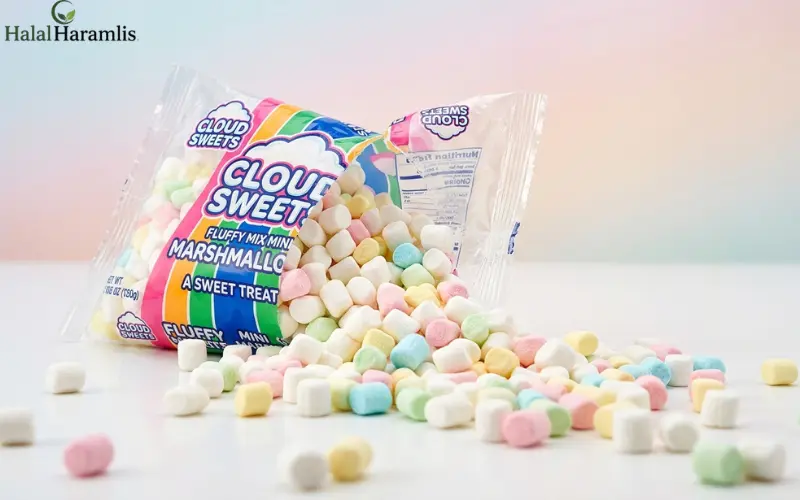
No, Nerds Gummy Clusters are NOT halal. They contain non-halal gelatin and possibly insect-based coloring, and they are not halal certified. Because the gelatin source is unknown and likely pork or non-halal beef, most Islamic scholars consider them haram to eat.

Muslims around the world love candy, but checking halal status has become difficult because many sweets contain hidden animal ingredients. One of the most searched candies today is Nerds Gummy Clusters. They look fruity, colorful, and harmless — but are they halal?

This detailed guide explains everything in simple English:

  • Full ingredient breakdown
  • Islamic rulings on gelatin
  • Whether any flavor is halal
  • Difference between Nerds candy vs Nerds Gummy Clusters
  • Halal alternatives you can safely enjoy

This is the most complete halal guide you’ll find.

What Are Nerds Gummy Clusters?

Nerds Gummy Clusters are made by the candy company Ferrara Candy Company. They are a modern version of the classic Nerds candy.

They have a unique texture combination:

  • Crunchy Nerds candy outside
  • Soft gummy center inside

This mix of chewy + crunchy made them extremely popular worldwide, especially among teenagers and candy lovers.

Why Muslims Are Concerned

Are Nerds Gummy Clusters Halal

At first glance, the candy looks fruit-based. But the gummy center is the main problem — and that’s where halal concerns begin.

Full Ingredient Breakdown of Nerds Gummy Clusters

Let’s examine the real ingredient list found on the packaging.

Main Ingredients

  • Sugar
  • Corn syrup
  • Dextrose
  • Gelatin
  • Wheat flour
  • Modified food starch
  • Artificial flavors
  • Artificial colors
  • Citric acid
  • Carnauba wax

The biggest halal concerns are:

  • Gelatin
  • Artificial colors
  • Flavor carriers

Ingredient Halal Status Overview

Key takeaway: The candy becomes non-halal mainly due to gelatin.

What Is Gelatin?

Gelatin is a jelly-like ingredient made from animal collagen.
It comes from boiling animal skin, bones, and tissues.

Common sources:

  • Pig skin (most common worldwide)
  • Cow bones and skin
  • Fish skin (rare)

Candy companies use gelatin to create the chewy texture in gummies.

Why Gelatin Is Haram in Islam

Are Nerds Gummy Clusters Halal

Islam allows gelatin only if it comes from:

  • Halal slaughtered animals
  • Fish

If gelatin comes from pork or non-halal animals → it becomes haram.

Most candy companies do NOT disclose gelatin sources.

Islamic rule:

If gelatin source is unknown → treat as haram.

Gelatin Halal Ruling

Nerds Gummy Clusters use non-certified gelatin, so Muslims must avoid them.

Second Problem

Many people don’t know this 😮

Some red food colors come from crushed insects.

The most famous one is:

  • Carmine (E120)

It is used to create:

  • Bright red
  • Pink
  • Purple candy colors

Many Islamic scholars consider insect dyes not permissible.

Haram or Doubtful Food Colors

Even if gelatin didn’t exist, coloring alone creates halal doubts.

No Halal Certification

Halal certification means:

  • Ingredients verified
  • Factory checked
  • Cross-contamination controlled

Nerds Gummy Clusters:

  • ❌ No halal logo
  • ❌ No halal certification
  • ❌ No halal gelatin confirmation

Without certification, Muslim consumers must assume it is not halal.

Halal Checklist Verdict

Final halal checklist result → HARAM

Are Any Flavors Halal?

Many Muslims hope some flavors may be safe.

Current flavors:

  • Rainbow
  • Very Berry
  • Sour Berry
  • Tropical

All flavors contain the same gummy gelatin center.

👉 So the ruling applies to ALL flavors.

There is currently NO halal version available.

Nerds vs Nerds Gummy Clusters

This is VERY important.

Classic Nerds Candy

Original Nerds (small crunchy candy):

  • Usually gelatin-free
  • Mostly sugar + flavor

Many scholars consider regular Nerds halal friendly.

Nerds Gummy Clusters

Contain gummy center → gelatin → haram.

This confusion causes many Muslims to eat them by mistake.

Are Nerds Gummy Clusters Vegetarian or Vegan?

No ❌

Reasons:

  • Gelatin = animal product
  • Carmine = insect product

So they are:

  • Not halal
  • Not vegetarian
  • Not vegan

Islamic Scholar Opinion

Major halal organizations follow this rule:

If gelatin is:

  • Unknown → Haram
  • Pork → Haram
  • Non-halal beef → Haram

Since Nerds Gummy Clusters do not clarify gelatin source, scholars say:

👉 Avoid to stay safe.

Why Many Candies Are Not Halal

Candy companies focus on:

  • Low cost
  • Long shelf life
  • Texture quality

Gelatin helps with:

  • Chewiness
  • Stability
  • Shine

Halal gelatin is expensive, so many companies avoid it.

Halal Alternatives to Nerds Gummy Clusters

Good news 😊
Many halal candies taste similar.

Popular halal candy brands

  • Haribo (Turkey halal versions)
  • Bebeto
  • Vidal Golosinas

Look for:

  • Halal logo
  • Gelatin-free label
  • Vegan gummies

How To Identify Halal Candy

When buying candy, check:

Look for gelatin

Words to avoid:

  • Gelatin
  • Pork gelatin
  • Animal gelatin

Check certification

Look for halal logos from:

  • IFANCA
  • HFA
  • JAKIM

Avoid insect dyes

Watch for:

  • Carmine
  • Cochineal
  • Shellac

Homemade Halal Nerds Clusters Recipe 🍬

You can make your own halal version at home.

Ingredients

  • Halal gummy bears
  • Regular Nerds candy
  • Baking paper

Steps

  1. Melt halal gummies in microwave
  2. Drop small blobs on paper
  3. Roll in Nerds candy
  4. Let cool 30 minutes

You get a 100% halal version!

Is It Haram If You Ate Them Before Knowing?

Good news ❤️

Islam teaches:

  • Eating haram by mistake is forgiven
  • Allah judges intention

So don’t worry if you ate them unknowingly.

Why Halal Awareness Is Increasing

Today Muslims read labels more than ever because:

  • Food globalization
  • Hidden ingredients
  • Online halal awareness

This is why candy halal guides are trending worldwide.

Will A Halal Version Come?

Possible 👍

Many brands now create halal lines due to demand.

If enough Muslims request, companies may release:

  • Halal gelatin version
  • Vegan version

Demand creates change.

We hope you guys find this guide helpful. if you like this one, here we have more for you:

Are Takis Halal or Haram?

Is Wingstop Halal or Haram?

Is KFC Halal or Haram?

Is Jelly Halal or Haram?

FAQs

Are Nerds Gummy Clusters halal in Pakistan?

No. Ingredients are the same worldwide.

Do they contain pork?

Gelatin source unknown — often pork.

Is gelatin always haram?

No. Only non-halal gelatin is haram.

Can beef gelatin be halal?

Yes, if halal slaughtered.

Are Nerds Rope halal?

No — they also contain gelatin.

Are Big Chewy Nerds halal?

Usually yes (no gelatin).

Are they vegetarian?

No.

Are they vegan?

No.

Are they kosher?

Generally no.

Can Muslims eat by mistake?

Yes, forgiven in Islam.

Is there halal version?

Not yet.

What is the best halal alternative?

Halal Haribo or Bebeto gummies.

Conclusion

Are Nerds Gummy Clusters halal? The clear answer is NO. The candy contains non-halal gelatin, may include insect-based coloring, and has no halal certification. Because of these reasons, it is not suitable for Muslims who follow halal dietary rules.

The safest and smartest choice is simple: skip Nerds Gummy Clusters and choose halal-certified gummies or make an easy homemade halal version. Always read ingredient labels before buying sweets so you can enjoy candy with confidence and stay true to your halal lifestyle.

Are Takis Halal or Haram?

Are Takis Halal or Haram?

Most scholars say Takis are NOT halal.
They have doubtful flavor ingredients and no halal certification, so Muslims are advised to avoid them.

Takis are bright, spicy, crunchy snacks loved by many young people and adults. They look fun, taste bold, and are easy to find in stores around the world.

But Muslims must always check snacks carefully. Even a small chip can become haram if the ingredients or factory process are not halal. Let’s learn in very simple words whether Takis are halal or haram.

What Are Takis?

Takis are rolled tortilla chips with strong spicy and sour seasoning. They are famous for their fiery taste and colorful look.

They are made by Barcel, a snack company owned by Grupo Bimbo.

Takis became popular because they are fun to eat and very flavorful. Many people enjoy the challenge of eating spicy chips and sharing their reactions online.

Why people love Takis

  • Very spicy flavor
  • Crunchy rolled shape
  • Bright colors
  • Trendy snack culture
  • Easy availability

Even though Takis are popular, popularity does not mean halal. Muslims must check deeper.

Why Muslims Must Check Snacks Carefully

In Islam, food is not just about taste. Food is about obedience to Allah. Muslims must make sure what they eat is halal and pure.

In Muslim countries, halal food is easier to find. But in Western countries, factories are not built for Islamic dietary rules. That means Muslims must check labels and certifications carefully.

Halal food must follow these rules

  • No pork or pork ingredients
  • No alcohol in ingredients or processing
  • No animal ingredients from non-halal slaughter
  • No cross-contamination with haram food
  • Certification in non-Muslim countries

Snacks can be tricky because they contain many hidden ingredients that are hard to understand.

Processed Snacks

Takis are not simple food like fruit or bread. They are highly processed snacks.

Highly processed foods go through many factory steps:

  • Grinding and mixing ingredients
  • Adding flavor chemicals
  • Frying in large machines
  • Packaging on shared equipment

The more processing a food has, the more chances there are for haram ingredients to enter.

This is why scholars are extra careful about processed snacks.

Ingredients Found in Takis

Let us look at the common ingredients used in Takis.

Main ingredients include

  • Corn masa flour
  • Vegetable oils
  • Spices and seasoning powders
  • Artificial colors
  • Acid regulators
  • Flavor enhancers
  • Salt and sugar

At first glance, these ingredients seem safe. But the real concern comes from hidden sources behind these words.

Many ingredients on food labels sound simple, but their sources are not always clear.

The Biggest Halal Concerns

There are three main halal concerns about Takis.

Natural & Artificial Flavors

This is the biggest issue.

Food labels often say “natural flavors” or “artificial flavors.” These words are very broad and can include many things.

Natural flavors can come from:

  • Plants
  • Animals
  • Alcohol extraction processes

Companies are not required to tell the exact source. That means Muslims cannot verify whether the flavors are halal.

When ingredients are hidden, doubt increases.

Enzymes and Processing Aids

Flavor powders often use enzymes during manufacturing.

Enzymes can come from:

  • Plants
  • Bacteria
  • Animal stomachs
  • Pork sources

If the source is not clearly stated, the ingredient becomes doubtful.

This is why scholars warn Muslims about flavor powders and seasoning blends.

Cross-Contamination in Factories

Snack factories produce many different foods on the same machines.

Equipment may be shared with:

  • Cheese snacks
  • Meat snacks
  • Pork flavored products

Even if a snack does not contain pork directly, it may touch surfaces that processed pork products.

This creates contamination risk.

Ingredient Risk Check

Ingredient TypeHalal StatusWhy
Corn flour✅ HalalPlant based
Vegetable oil✅ HalalUsually plant derived
Artificial colors⚠️ DoubtfulMay use alcohol carriers
Natural flavors❌ DoubtfulSource unknown
Seasoning powders⚠️ DoubtfulMay contain enzymes
Flavor enhancers⚠️ DoubtfulSource unclear

Halal Certification Status

Halal certification is very important for Muslims living in non-Muslim countries.

A halal certificate means:

  • Muslim inspectors checked the factory
  • Ingredients were verified
  • Equipment cleanliness was inspected
  • Cross-contamination was prevented

Takis currently have:

  • No halal logo
  • No halal certification body
  • No halal slaughter or halal statement

This makes the product doubtful.

Why Certification Is So Important

In Western food systems, companies do not automatically follow Islamic rules.

They focus on:

  • Food safety
  • Mass production
  • Cost efficiency

Halal requirements are religious rules, not food safety rules. That is why certification becomes essential for Muslim consumers.

Without certification, Muslims cannot be sure.

Islamic Rule About Doubtful Food

Islam teaches Muslims to stay away from doubtful food.

The Prophet Muhammad ﷺ taught Muslims to leave anything that causes doubt.

This rule protects Muslims from accidentally eating haram food.

If food is:

  • Not clearly halal
  • Not clearly haram

Then Muslims should avoid it to stay safe.

Halal Decision Factors

RuleTakis Status
Contains porkUnknown
Contains alcoholPossible
Halal certifiedNo
Ingredient transparencyLow
Scholar certaintyNo

Result: Doubtful → Avoid

Do Takis Flavors Increase Risk?

Takis come in many flavors. Each flavor has its own chemical recipe.

More flavors mean:

  • More chemicals
  • More flavor enhancers
  • More unknown sources

Highly flavored snacks are more risky than plain snacks.

Flavor Risk Level

Flavor TypeRisk Level
Plain corn chipsLow
Mild seasoningMedium
Spicy flavorsHigh
Extreme flavorsVery High

Takis belong to the extreme flavor category, which has the highest risk.

Vegetarian vs Halal Confusion

Many people think vegetarian snacks are halal. This is not always true.

Vegetarian food may still contain:

  • Alcohol-based flavor carriers
  • Animal enzymes
  • Contaminated equipment

Halal is a religious standard, not just a diet type.

What Scholars Say

Most halal scholars agree on one rule:

Processed snacks without halal certification should be avoided.

This is because:

  • Hidden ingredients exist
  • Companies do not reveal sources
  • Factories mix many products

Scholars prefer Muslims to choose food with clear halal certification.

Final Halal Verdict Summary

CategoryVerdict
Ingredients clarity❌ Low
Certification❌ None
Cross contamination⚠️ Possible
Scholar opinion❌ Avoid
Muslim safety level❌ Not safe

Why Avoiding Doubtful Food Is Good

When Muslims avoid doubtful food:

  • They protect their faith
  • They show obedience to Allah
  • They build better habits
  • They gain peace of mind

Choosing halal food is an act of worship.

Safer Snack Choices

Muslims can still enjoy snacks happily.

Better snack options include:

  • Halal certified chips
  • Homemade snacks
  • Simple popcorn
  • Certified halal brands

There are many delicious halal choices available.

Practical Shopping Tips

When buying snacks, Muslims should:

  • Look for halal logos
  • Read ingredients carefully
  • Avoid unclear labels
  • Choose simple foods
  • Prefer halal brands

These small habits make a big difference.

we hope you guys find this guide helpful. here we have more guides on Halal products:

Is Wingstop Halal or Haram?

Is KFC Halal or Haram?

Is Jelly Halal or Haram?

Is Chipotle Halal or Haram?

Is Feastables Halal or Haram?

FAQs

Are Takis halal in the USA?

No, they are not halal certified.

Do Takis contain pork?

Not confirmed, but possible hidden sources.

Do Takis contain alcohol?

Flavor processing may use alcohol.

Are Takis vegetarian?

Some may be vegetarian but not halal.

Are vegan snacks always halal?

No, vegan does not equal halal.

Are Takis mashbooh?

Yes, they are considered doubtful.

Can Muslims eat Takis sometimes?

Scholars recommend avoiding them.

Are blue Takis halal?

No halal certification exists for any flavor.

Do Takis contain animal enzymes?

Possible in flavor manufacturing.

Are spicy chips halal in general?

Only if halal certified.

Is there a halal Takis version?

No certified halal version exists.

Should Muslims avoid Takis?

Yes, safest choice is to avoid.

Conclusion

Takis are fun, colorful, and exciting snacks that many people enjoy. However, halal food is not about fun or taste — it is about following the guidance of Islam and choosing food that is pure and permissible. When Muslims look closely at Takis, they find many areas of doubt, including hidden flavor sources, lack of halal certification, and possible factory cross-contamination.

Because of these concerns, most scholars advise Muslims to stay away from Takis and choose snacks that are clearly halal. Avoiding doubtful food brings peace of heart and helps Muslims stay closer to their faith. When we leave something doubtful for the sake of Allah, we trust that He will replace it with something better and fully halal.

Is Wingstops Halal

Is Wingstop Halal or Haram?

Is Wingstop halal or haram? Wingstop is not halal worldwide. Some branches serve halal-certified chicken while many others use conventional poultry suppliers. The halal ruling depends completely on location, certification, and kitchen practices. Muslims must verify the specific branch before eating because Wingstop follows a franchise model and does not have a single global halal policy.

For Muslims living in Western countries, fast-food halal status has become one of the biggest concerns. Wingstop is one of the most popular chicken wing chains in the world, known for its crispy wings and signature sauces. However, popularity does not automatically mean halal compliance. This detailed guide explains everything Muslims need to know before eating at Wingstop.

Wingstop Halal Status by Region

RegionHalal StatusExplanation
United KingdomMostly HalalMany certified suppliers
United StatesMostly Not HalalNo nationwide halal policy
CanadaMixedSome halal franchises
EuropeMixedDepends on country
Muslim countriesUsually HalalLocal halal supply chains

Why Muslims Ask About Wingstop Halal Status

The question about Wingstop’s halal status is increasing every year because Muslims today are more conscious about halal eating. In earlier generations, people relied on local halal butcher shops, but modern lifestyles have changed eating habits. Students, families, and professionals now frequently rely on fast food, which makes halal verification more important than ever.

Fast-food chains operate on industrial supply systems. Meat is sourced from large poultry producers, transported through distribution centers, and cooked in high-volume kitchens. Because of this large scale, religious slaughter rules may or may not be followed. This creates confusion and doubt among Muslims who want to enjoy convenient meals without compromising their faith.

Understanding how fast-food supply chains work is the first step in deciding whether Wingstop is halal or haram.

Halal Slaughter in Islam

Before analyzing Wingstop specifically, Muslims must understand what makes chicken halal. Many people assume chicken is automatically halal, but Islamic law places strict conditions on how animals must be slaughtered.

Halal slaughter requires the following:

• The animal must be alive at the time of slaughter
• A Muslim, Christian, or Jew must perform the slaughter
• The name of Allah must be mentioned during slaughter
• Blood must be fully drained from the body
• The animal must not suffer unnecessary pain
• Meat must not be contaminated with haram substances

If any of these conditions are missing, the meat becomes haram or doubtful.

Modern poultry production often uses automated slaughter methods. These systems focus on speed and efficiency, which sometimes conflicts with Islamic requirements. Because of this, halal certification has become essential.

How Wingstop Sources Its Chicken

Wingstop operates as a franchise restaurant chain. This means each region and branch can choose its own suppliers based on availability and local demand. The company does not enforce a single global halal policy across all locations.

This is the most important reason why Wingstop’s halal status varies around the world.

Some branches partner with halal-certified suppliers, while others use conventional poultry suppliers. This creates three possible halal rulings:

• Halal – if certified halal chicken is used
• Haram – if non-halal slaughter is confirmed
• Doubtful – if sourcing is unclear

This location-based system is common in global fast-food chains.

Is Wingstop Halal in the United Kingdom?

The United Kingdom has one of the largest halal fast-food markets in the world. Many Wingstop branches in the UK openly advertise halal chicken and display certification from halal authorities.

The strong Muslim population and strict halal awareness have encouraged restaurants to adopt halal sourcing. Certified suppliers are widely available, making it easier for franchises to offer halal chicken.

However, Muslims should still verify each branch individually because franchise owners can change suppliers at any time.

Is Wingstop Halal in the United States?

In the United States, Wingstop is generally not halal. Most branches use conventional poultry suppliers and do not advertise halal certification.

Several factors explain this:

• Lower halal demand compared to the UK
• Lack of national halal policy
• Higher cross-contamination risks
• Sauces may contain alcohol-based flavoring

Some individual franchises may choose halal suppliers, but this is rare and must be verified directly with the branch.

Cross-Contamination

Even if chicken is halal, cross-contamination can make food haram. This happens when halal meat is cooked using equipment that also handles non-halal items.

Common risks include:

• Shared fryers with non-halal products
• Shared cooking surfaces
• Shared utensils
• Alcohol-based sauces in the same kitchen

Islamic scholars agree that halal meat becomes haram if contaminated with haram substances.

Why Fast Food Often Becomes Doubtful

FactorRisk LevelWhy It Matters
Industrial slaughterHighReligious rules may be skipped
Shared fryersHighOil contamination risk
Alcohol ingredientsMediumUsed in sauces
Supplier changesHighHalal status may change

Ingredients Used in Wingstop Chicken

Wingstop’s menu appears simple, but halal concerns come from the supply chain and preparation methods.

Core ingredients include:

• Chicken wings
• Flour coating
• Frying oil
• Seasoning mixes
• Signature sauces

The biggest halal concerns are the source of chicken, shared fryers, and alcohol-based flavorings.

Wingstop Menu Halal Risk Analysis

Menu ItemHalal RiskReason
Plain wingsMediumDepends on chicken supplier
Boneless wingsMediumSame sourcing issue
FriesLowUsually plant-based
Veg sidesLowGenerally halal
SaucesMediumSome may contain alcohol

When Wingstop Can Be Considered Halal

Wingstop becomes halal only when strict conditions are met. These include halal certification, verified suppliers, and proper kitchen practices.

A branch can be considered halal if:

• Chicken supplier is halal certified
• No alcohol ingredients are used
• Separate fryers are used
• Halal certificate is displayed

Without these conditions, the food becomes doubtful.

How to Verify a Halal Wingstop Branch

StepAction
Ask staffConfirm halal chicken supplier
Check certificateLook for halal logo
Ask about fryersConfirm no cross-contamination
Search reviewsCheck Muslim community feedback

Islamic Scholarly Guidance on Doubtful Food

Islam encourages Muslims to avoid doubtful food. The principle of avoiding doubt protects faith and ensures spiritual peace.

Scholars classify restaurant food into three categories:

• Halal — clearly certified
• Haram — clearly non-halal
• Doubtful — unclear sourcing

When food falls into the doubtful category, Muslims are advised to avoid it when possible.

Safe Muslim Approach to Fast Food

Muslims should follow a simple verification method before eating at any fast-food chain:

Check halal certification

Ask staff about suppliers

Verify fryer separation

Research local Muslim reviews

This method helps Muslims make confident and safe decisions.

Is Wingstop Halal or Haram?

Wingstop is not universally halal.

The final ruling:

• Halal in some certified locations
• Haram in non-halal locations
• Doubtful when information is unclear

The halal status depends completely on the branch. Verification is essential before eating.

See Also

Is KFC Halal or Haram?

Is Jelly Halal or Haram?

Is Chipotle Halal or Haram?

Is Feastables Halal or Haram?

FAQs

Is Wingstop halal everywhere?

No. Halal status varies by location.

Is Wingstop chicken halal by default?

No. Only certified branches use halal chicken.

Are Wingstop fries halal?

Usually yes, if cooked in separate fryers.

Does Wingstop use alcohol in sauces?

Some sauces may contain alcohol-based flavoring.

Is Wingstop halal in the UK?

Many branches are halal certified.

Is Wingstop halal in the USA?

Most branches are not halal.

Is Wingstop halal in Canada?

Some locations offer halal chicken.

Should Muslims avoid doubtful food?

Yes, avoiding doubtful food is recommended.

How can I verify halal certification?

Ask staff and check the halal certificate.

Is eating doubtful food sinful?

Avoiding doubtful food is the safest approach.

Conclusion

Wingstop’s halal status depends entirely on certification, suppliers, and kitchen practices. Because the brand operates through franchises, halal availability changes from country to country and even from branch to branch. This makes verification essential for Muslims who want to follow halal dietary guidelines while enjoying fast food.

The safest approach is always to confirm halal certification directly from the branch before eating. By following verification steps and avoiding doubtful situations, Muslims can make confident dining choices while staying true to Islamic teachings.

Is KFC Halal or Haram

Is KFC Halal or Haram?

KFC is not halal everywhere. It is halal only in locations where the chicken is halal-certified and prepared according to Islamic guidelines. Always check certification at the specific branch before eating.

Is KFC halal or haram? The answer is: KFC can be halal in some locations and haram in others depending on halal certification, slaughter methods, and kitchen practices. This topic has become one of the most searched food questions among Muslims because fast food is now part of everyday life. From busy work schedules to travel and social outings, people often rely on convenient meals. When a global brand like KFC is present in malls, airports, and major cities around the world, Muslims naturally want to know whether they can eat there without compromising their religious values.

The confusion happens because many people assume a global company follows the same food standards everywhere. In reality, global fast-food chains operate using regional suppliers and different food regulations. This means the chicken served in one country may be completely different from the chicken served in another. This detailed guide explains the halal status of KFC step-by-step so Muslims can make informed and confident decisions while staying true to Islamic dietary principles.

Why Halal Food Matters in Islam

Food in Islam is deeply connected to spirituality, obedience, and daily lifestyle. Eating halal is not just a dietary preference; it is an act of worship and a reflection of a believer’s commitment to living according to divine guidance. The Quran repeatedly encourages Muslims to eat what is lawful and pure, which shows how important food choices are in Islamic teachings. Because of this, Muslims are naturally careful about the source of their meals, especially when eating outside their homes where they do not control the ingredients or preparation methods.

In the modern world, eating outside has become normal and frequent. Families dine out, students eat on campus, professionals rely on quick meals during work hours, and travelers depend on restaurants at airports and highways. This lifestyle change has increased the importance of halal verification more than ever before. The challenge today is not only avoiding pork or alcohol but also understanding industrial food production, supply chains, and kitchen practices. This is why questions about fast-food chains like KFC continue to grow among Muslims worldwide.

Knowing Halal Slaughter in Modern Poultry Production

To determine whether KFC chicken is halal, it is essential to understand Islamic slaughter rules in detail. For meat to be halal, several conditions must be met. The animal must be alive and healthy before slaughter, the slaughter must be performed in the name of God, the blood must be drained completely, and the animal must be treated humanely. These rules ensure both spiritual and physical purity of the meat and reflect Islam’s emphasis on ethical treatment of animals.

Modern poultry factories process thousands of chickens every hour using automated systems. This industrial scale creates a major area of debate among Islamic scholars. Some scholars accept machine slaughter if Islamic conditions are followed and supervision is present, while others prefer manual slaughter performed by a Muslim. Because food companies use large industrial systems, halal certification organizations play a crucial role in verifying whether Islamic guidelines are being followed correctly. Without certification, it becomes extremely difficult for consumers to confirm halal status.

The Global Supply Chain Behind Fast Food

Global fast-food companies rely heavily on regional suppliers and local food regulations. This means KFC in one country does not necessarily use the same chicken supplier as KFC in another country. Each location adapts to local demand, government rules, and customer expectations. In regions where halal food demand is high, companies often invest in halal supply chains. In places where halal demand is low, certification may not be prioritized.

This difference is the main reason the halal status of KFC cannot be answered with a simple yes or no. Instead, it must be evaluated by location. Muslims often feel confused because the brand name is the same everywhere, but the sourcing and preparation methods are not. Understanding this global supply chain helps explain why verification is always necessary before eating.

Ingredients Used in KFC Chicken

KFC chicken typically includes chicken pieces, flour coating, seasoning spices, marinades, and vegetable frying oil. At first glance, these ingredients appear halal because they are plant-based or commonly permissible. However, the halal concern is not about the seasoning or flour coating. The primary issue is the chicken itself and how it is slaughtered before reaching the restaurant kitchen.

Another factor is food preparation. Even if the ingredients themselves are halal, the preparation environment can affect the final ruling. Shared equipment, shared storage, and shared frying oil may create cross-contamination risks. This shows that halal evaluation goes beyond ingredient lists and includes the entire preparation process.

Contamination in Fast-Food Kitchens

Cross-contamination is one of the most discussed concerns among Islamic scholars when evaluating fast-food chains. This occurs when halal food comes into contact with non-halal food during storage, preparation, or cooking. Large restaurant kitchens prepare many menu items in the same environment, which increases the risk of mixing.

Shared fryers are a common example. If the same oil is used to fry non-halal products, scholars differ in opinion about whether the oil becomes contaminated. Some consider the food doubtful, while others consider it impermissible depending on the level of impurity. Because of this, halal certification bodies often require separate equipment and strict kitchen procedures to ensure complete separation between halal and non-halal food.

Key Factors That Decide KFC Halal Status

FactorWhy It MattersImpact
Slaughter methodMust follow Islamic rulesMost critical factor
Halal certificationThird-party verificationBuilds trust
Kitchen separationPrevents contaminationEnsures purity

Regional Differences in Halal Availability

KFC adapts its operations to local markets. In regions where halal demand is high, halal certification is often obtained and displayed in restaurants. In many Western countries, halal certification is optional and less common. Some branches offer halal menus in areas with Muslim communities, but most do not.

This variation means Muslims must check individual branches rather than assuming a universal rule. The same brand may be halal in one city and non-halal in another. Understanding this regional difference is essential for making informed decisions.

Scholarly Opinions on Eating KFC

Islamic scholars generally present three main viewpoints. The first allows eating from halal-certified branches and is widely followed. The second advises avoiding non-certified fast food due to uncertainty. The third allows meat from the People of the Book but questions whether modern factory slaughter meets religious conditions.

These differing opinions exist because modern food production is complex and constantly evolving. Muslims are encouraged to follow scholars they trust and choose caution when uncertainty exists.

How to Verify Halal Certification Yourself

Muslims are encouraged to verify rather than assume. Consumers can check certificates displayed in restaurants, visit official websites, contact local halal authorities, or ask staff about suppliers and kitchen practices. Taking a few minutes to verify halal status can provide peace of mind and prevent doubt.

Halal Decision Checklist

QuestionIf YesIf No
Certification visibleLikely halalInvestigate
Halal slaughter confirmedPermissibleAvoid
Separate fryers usedSaferDoubtful

Fast Food vs Home Cooking

Home cooking provides the highest level of halal certainty because ingredients and preparation are fully controlled. Certified halal restaurants provide a balance between convenience and religious responsibility. Non-certified fast food carries the highest uncertainty.

Food Choice Comparison

OptionHalal CertaintyConvenience
Home cookingVery highMedium
Certified halal restaurantHighHigh
Non-certified fast foodLowHigh

FAQs 

Is KFC halal everywhere in the world?

No. KFC does not follow one global halal policy. Some locations serve halal-certified chicken while others do not, so the ruling depends on the specific branch.

Can Muslims eat KFC chicken?

Muslims can eat KFC only if the branch is halal certified and follows proper halal slaughter and preparation procedures.

Why does the halal status of KFC change by location?

KFC uses local suppliers in each region. Different countries have different food laws and customer demand, which affects halal certification.

Is KFC chicken halal if it is just chicken and not pork?

Not necessarily. Chicken must be slaughtered according to Islamic rules. If the slaughter method is not halal, the chicken becomes haram.

Does halal certification guarantee KFC is halal?

Yes, if the certification comes from a trusted halal authority and the restaurant follows the certified procedures.

Is cross-contamination a concern at fast-food restaurants?

Yes. Shared fryers, utensils, and preparation areas can make halal food doubtful if strict separation is not maintained.

Is frying oil used at KFC halal?

The oil itself is usually plant-based, but if it is shared with non-halal items, some scholars consider the food doubtful.

What should Muslims do if halal certification is not available?

Most scholars recommend avoiding the food to stay on the safe side and prevent doubt.

Can halal status change over time?

Yes. Suppliers, policies, and certification can change, so it is important to verify regularly.

What is the safest choice for Muslims?

The safest option is to eat at halal-certified restaurants or prepare food at home for complete certainty.

Conclusion

KFC does not have a single global halal ruling. Its status depends on certification, slaughter practices, and kitchen procedures in each location. In certified locations, many scholars consider it permissible. In non-certified areas, caution is strongly recommended.

By verifying halal certification and staying informed, Muslims can enjoy modern convenience while maintaining their religious commitments and peace of mind.

Is Jelly Halal or Haram

Is Jelly Halal or Haram?

Is jelly halal or haram? This is one of the most frequently asked questions among Muslims who love desserts and sweet snacks. Jelly is colorful, fun, soft, and popular among children and adults worldwide. It is found in lunchboxes, birthday parties, desserts, yogurts, cakes, and many packaged foods. Because jelly looks simple and fruit-based, many Muslims assume it must be halal. However, the truth is more complicated than it appears.

In modern food production, many sweet products contain hidden animal-based ingredients. Jelly is one of the most common foods that may contain these hidden ingredients. The key concern is gelatin, which is often used to give jelly its famous wobbly texture. This article will explain everything Muslims need to know about jelly, including ingredients, gelatin sources, Islamic rulings, and how to safely choose halal jelly.

What Is Jelly Made Of?

Jelly is a sweet, soft, gel-like dessert made by combining sugar, water, flavoring, coloring, and a gelling agent. The gelling agent is what gives jelly its shape and texture. Without this ingredient, jelly would simply be sweet juice.

Many people think jelly is made only from fruit juice. While fruit flavor is added, the most important ingredient is usually gelatin.

IngredientPurpose in JellyHalal Status
SugarSweetness and preservationHalal
WaterBase liquidHalal
Fruit FlavoringTaste and smellUsually Halal
Food ColoringAttractive appearanceUsually Halal
GelatinGives jelly its shapeDepends on source

As seen in the table, gelatin is the ingredient that determines whether jelly is halal or haram.

Why Gelatin Is Used in Jelly

Gelatin works like a sponge that traps liquid and turns it into a soft solid. This gives jelly its famous wobble and smooth texture. Without gelatin, jelly would not hold its shape.

Gelatin is widely used in desserts because it is cheap, effective, and easy to use. It dissolves in hot water and forms a gel when cooled. This simple property makes it perfect for jelly production.

However, because gelatin comes from animals, Muslims must investigate its source before eating jelly.

See Also: Is Chipotle Halal or Haram?

Types of Gelatin Found in Jelly

Gelatin used in jelly usually comes from animals. The halal status depends on the animal source and how the animal was processed.

Gelatin TypeSourceHalal Status
Pork gelatinPigHaram
Beef gelatinCowDepends on slaughter
Fish gelatinFishHalal

Understanding this table is essential for knowing whether jelly is halal.

Why Most Store-Bought Jelly Is Not Halal

In the global food industry, pork gelatin is the cheapest and most commonly used gelatin. Because of this, many jelly brands use pork gelatin without clearly mentioning it on the packaging. They simply write “gelatin” on the ingredient list.

In many Western countries, gelatin almost always means pork gelatin unless halal certification is mentioned. This makes most supermarket jelly unsuitable for Muslims.

For this reason, many scholars advise Muslims to assume jelly is haram unless proven halal.

Is Beef Gelatin in Jelly Halal?

After pork gelatin, the second most common type of gelatin used in jelly is bovine gelatin, which comes from cows. Many Muslims believe that anything from a cow must be halal, but in Islam the method of slaughter is extremely important. A cow must be slaughtered according to Islamic guidelines (Zabiha). If the slaughter is not performed in the halal way, then the meat and all by-products, including gelatin, become haram.

This is where confusion begins for many Muslims. Most jelly manufacturers do not mention how the animal was slaughtered. The label simply says “gelatin,” which leaves Muslim consumers unsure about whether the product is permissible. Because of this uncertainty, many scholars advise Muslims to avoid jelly unless it is clearly halal certified.

Source of Beef GelatinHalal StatusExplanation
Halal-certified beef gelatinHalalCow slaughtered according to Islamic rules
Non-halal beef gelatinHaramSlaughter method not Islamic
Unknown sourceDoubtful (Mashbooh)Muslims should avoid

This uncertainty is one of the biggest reasons jelly is considered risky for Muslims to consume without proper verification.

Scholarly Opinions on Gelatin in Jelly

Islamic scholars have discussed gelatin for many years, especially because gelatin undergoes chemical processing before being used in food. Some scholars argue that the chemical transformation changes the original substance completely. Others believe the transformation is not enough to change the ruling.

The majority of contemporary scholars take a cautious approach. They advise Muslims to avoid gelatin unless its halal source is clearly confirmed. This approach helps Muslims stay safe and avoid doubtful food.

Because of this scholarly caution, halal certification has become extremely important in modern food production.

Why Halal Certification Is Important for Jelly

Halal certification means a product has been inspected and verified to follow Islamic dietary rules. Certified products ensure that the gelatin source is halal and that there is no contamination with haram ingredients during manufacturing.

For Muslims living in countries where halal food is not always available, certification provides peace of mind and confidence.

Package LabelMeaning for Muslims
Halal certified logoSafe to consume
Suitable for MuslimsUsually halal verified
Vegan / VegetarianNo animal gelatin
Gelatin (unspecified)Avoid

Learning to read food labels carefully is one of the most important skills for modern Muslim consumers.

See Also: Is Feastables Halal or Haram

Fish Gelatin in Jelly

Fish gelatin is considered halal by the majority of Islamic scholars because fish do not require Islamic slaughter. This makes fish gelatin a safe and growing alternative in the food industry. Some companies now produce halal jelly using fish gelatin to meet the needs of Muslim consumers.

Fish gelatin jelly may be slightly more expensive, but it allows Muslims to enjoy jelly without worry.

Vegan Jelly: The Safest Option

One of the biggest changes in the food industry is the rise of vegan jelly. Instead of animal gelatin, vegan jelly uses plant-based gelling agents such as agar-agar, carrageenan, and pectin. These ingredients come from seaweed or fruits and are completely halal.

Type of JellyHalal Status
Pork gelatin jellyHaram
Non-halal beef gelatin jellyHaram
Halal beef gelatin jellyHalal
Fish gelatin jellyHalal
Vegan jellyHalal

Vegan jelly is often the easiest and safest option for Muslim families.

Jelly in Desserts, Snacks and Everyday Foods

Jelly is not only eaten as a dessert in a bowl. It is used in a wide variety of foods that many people consume every day. Because jelly is colorful, sweet, and easy to shape, food companies use it in many snacks and packaged products. This makes the halal status of jelly even more important because Muslims may consume it without realizing it.

Jelly is commonly found in cakes, pastries, trifles, fruit desserts, yogurt cups, candy sweets, bakery decorations, and children’s lunch snacks. Many birthday cakes and party desserts include jelly layers or jelly toppings. Children especially love jelly cups and gummy desserts, which makes it important for parents to understand the halal status of these products.

In addition, jelly is often used as a decorative topping on cheesecakes and fruit cakes. It gives desserts a shiny, attractive appearance that makes them look fresh and delicious. However, this shiny topping often contains gelatin, which may come from pork. This hidden use of gelatin makes it very easy for Muslims to consume haram ingredients unknowingly.

Hidden Gelatin in Popular Foods

Gelatin is widely used in the food industry because it is cheap and effective. Many products contain gelatin even when it is not obvious. This is why Muslims must always read ingredient labels carefully.

Common foods that may contain jelly or gelatin include breakfast cereals with colorful pieces, fruit snacks for children, gummy candies, marshmallow desserts, yogurt with fruit layers, cheesecake toppings, and ready-made dessert mixes. Many of these foods appear harmless and fruit-based, but they may contain animal-derived gelatin.

Because of this widespread use, awareness is the first step toward eating halal in today’s modern world.

How Muslims Can Safely Choose Halal Jelly

Choosing halal jelly becomes easy once Muslims know what to look for. The safest approach is to check for halal certification on packaging. Products labeled vegan or vegetarian are also generally safe because they do not contain animal gelatin.

Reading ingredient labels carefully is very important. If the label simply says “gelatin” without specifying the source, it is safer to avoid the product. When in doubt, choosing a verified halal product is always the best decision.

Developing this habit helps Muslims protect their diet and maintain a halal lifestyle.

See Also: Is Starburst Halal?

FAQs

Is all jelly haram?

No. Jelly becomes haram only when it contains pork gelatin or non-halal beef gelatin.

Can Muslims eat vegan jelly?

Yes, vegan jelly is completely halal because it uses plant-based ingredients.

Is fish gelatin jelly halal?

Yes, most scholars consider fish gelatin halal.

Can Muslims eat jelly in cakes?

Only if the jelly used is halal certified.

Are jelly sweets halal?

Many jelly sweets contain gelatin, so the ingredients must be checked.

Is homemade jelly halal?

Yes, if halal or plant-based gelatin is used.

Is pectin jelly halal?

Yes, pectin comes from fruit and is halal.

Is it sinful if someone eats haram jelly unknowingly?

No, Islam forgives mistakes made unknowingly.

Is vegetarian jelly always halal?

Most vegetarian jelly is halal, but checking ingredients is still recommended.

Is jelly in yogurt halal?

Only if the gelatin source is halal.

Why do companies not mention gelatin sources?

Because labeling laws in many countries do not require it.

Is halal jelly available worldwide?

Yes, halal and vegan jelly products are becoming more common globally.

Conclusion

Jelly may look simple and fruit-based, but the presence of gelatin makes its halal status complex. Most store-bought jelly contains pork gelatin, which makes it haram for Muslims. Because manufacturers often do not mention the gelatin source, Muslims must be careful and read labels before buying jelly products.

The good news is that halal and vegan jelly options are widely available today. By choosing halal-certified or plant-based jelly, Muslims can enjoy this sweet dessert without compromising their faith. Awareness, label reading, and careful selection are the keys to maintaining a halal lifestyle in the modern food world.