
Olive Garden is generally considered haram or not halal-certified for Muslims because the restaurant does not offer officially halal-certified meat in the USA. While some menu items may contain no pork or alcohol ingredients, cross-contamination and non-halal meat sourcing make most Olive Garden meals unsuitable for Muslims seeking strict halal food.
Is Olive Garden Halal? because it is one of the most popular Italian restaurant chains in America. The restaurant serves pasta, soups, salads, chicken dishes, seafood, and desserts. However, halal status depends not only on ingredients but also on meat sourcing, preparation methods, and halal certification.
In this guide, we will explain Olive Garden’s ingredients, meat sourcing, halal concerns, alcohol usage, cross-contamination risks, and safer halal-friendly options so you can make an informed decision.
Is Olive Garden Halal or Haram?
Olive Garden is not a halal-certified restaurant in the United States. The company does not state that its chicken, beef, or other meats are sourced from halal-certified suppliers. Because Islamic dietary laws require halal slaughter and halal-certified meat, most Muslim scholars consider Olive Garden’s meat dishes non-halal.
Some vegetarian or seafood items may be permissible depending on their ingredients, but Muslims should still check for alcohol-based sauces, cheese enzymes, and cross-contamination risks.
What Is an Olive Garden?
Olive Garden is a famous American-Italian restaurant chain known for:
- Pasta dishes
- Breadsticks
- Soups
- Salads
- Chicken entrées
- Seafood meals
- Desserts
The restaurant operates hundreds of locations across the USA and attracts millions of customers every year.
Many Muslims wonder whether they can safely eat there because Italian food often contains ingredients that require halal verification.
Why Muslims Must Check Restaurant Food Carefully
Restaurant food can be more complicated than packaged food because many ingredients come from different suppliers.
Possible halal concerns include:
- Non-halal meat
- Pork ingredients
- Alcohol in sauces
- Animal-based cheese enzymes
- Cross-contamination
- Shared cooking equipment
This is why checking restaurant ingredients is always important.
How Large Restaurant Chains Source Their Food
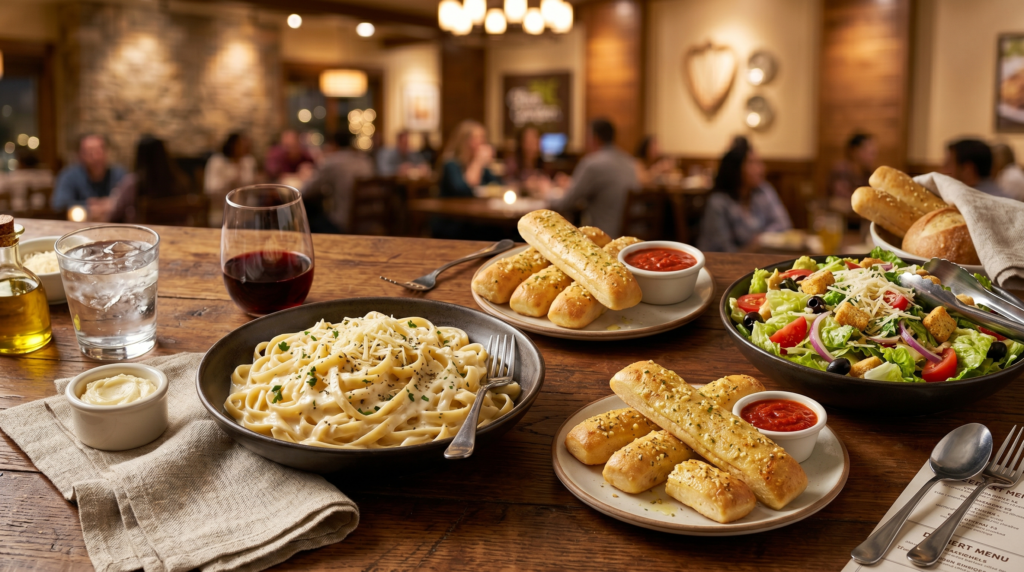
Large restaurant chains buy ingredients from multiple suppliers across the country. These ingredients are transported to restaurants and prepared according to company recipes.
Because suppliers may change over time, halal status can also change. This is one reason why halal certification is valuable—it provides independent verification that ingredients and preparation methods meet Islamic requirements.
Without halal certification, Muslims often have limited information about sourcing practices.
Is Olive Garden Halal in the USA?
The simple answer is no.
Olive Garden halal in USA is currently not confirmed because the restaurant does not advertise halal-certified meat or halal-certified kitchens.
Halal Status of Olive Garden in the USA
| Category | Status |
| Halal Certified Restaurant | ❌ No |
| Halal Certified Chicken | ❌ No |
| Halal Certified Beef | ❌ No |
| Pork Served | ✅ Yes |
| Alcohol Served | ✅ Yes |
| Separate Halal Kitchen | ❌ No |
Because pork and alcohol are present in many locations, Muslims should exercise caution.
Main Olive Garden Menu Categories
Olive Garden serves:
- Chicken pasta
- Beef dishes
- Seafood meals
- Soups
- Salads
- Breadsticks
- Desserts
Each category requires separate halal analysis.
Meat Sourcing at Olive Garden
One of the biggest halal concerns is meat sourcing.
Islam requires animals to be:
- Slaughtered according to Islamic guidelines
- Dedicated to Allah
- Properly drained of blood
- Free from prohibited methods
Olive Garden does not claim that its chicken or beef follows halal slaughter standards.
Meat Halal Analysis
| Meat Type | Halal Concern |
| Chicken | Non-halal slaughter concern |
| Beef | Non-halal slaughter concern |
| Sausage | Often contains pork |
| Meatballs | Source not halal verified |
| Seafood | Generally halal |
This is why most meat dishes are not considered halal.
Does Olive Garden Serve Pork?
Yes.
Olive Garden serves several pork-containing items.
Examples may include:
- Italian sausage
- Bacon toppings
- Pork-based ingredients in some recipes
Since pork is clearly prohibited in Islam, Muslims must avoid any dish containing pork.
Pork Status
| Ingredient | Halal Status |
| Bacon | ❌ Haram |
| Pork Sausage | ❌ Haram |
| Ham | ❌ Haram |
| Pork Fat | ❌ Haram |
Pork ingredients automatically make a dish haram.
Does Olive Garden Use Alcohol?
Alcohol is another important concern.
Many restaurant chains use wine or cooking alcohol in:
- Pasta sauces
- Marinades
- Cream sauces
- Specialty dishes
Although cooking may reduce alcohol content, many scholars still advise Muslims to avoid dishes prepared with alcohol.
Alcohol Concern Table
| Item | Concern |
| Wine Sauces | ⚠️ Possible |
| Marinades | ⚠️ Possible |
| Desserts | ⚠️ Possible |
| Certain Pasta Sauces | ⚠️ Possible |
Always ask staff about ingredients before ordering.
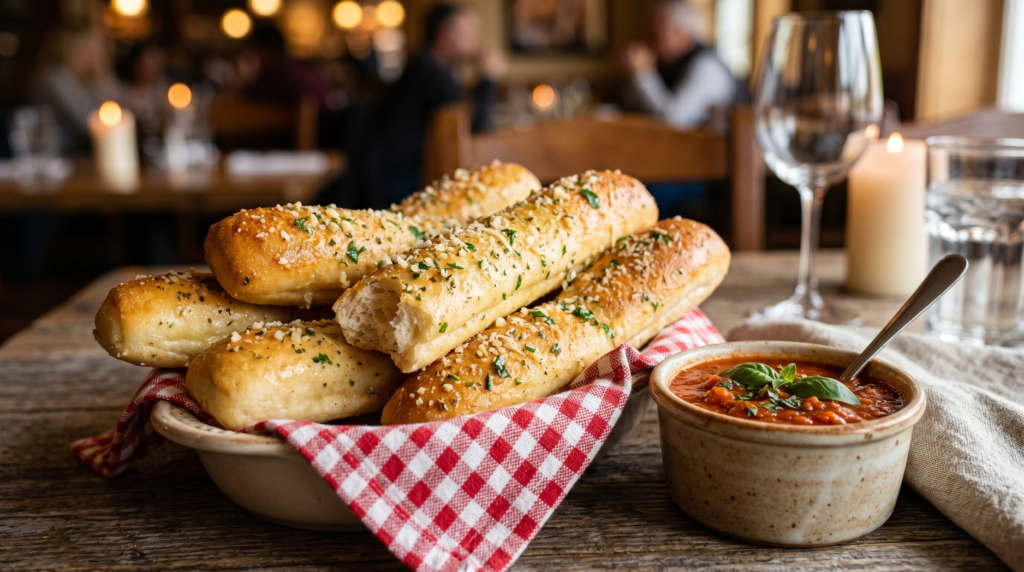
Are Olive Garden Breadsticks Halal?
Olive Garden breadsticks are among the restaurant’s most popular items.
The basic ingredients generally include:
- Flour
- Water
- Yeast
- Salt
- Vegetable oils
These ingredients are usually halal.
However, cross-contamination in shared kitchens remains a consideration.
Breadsticks Analysis
| Ingredient | Status |
| Flour | ✅ Halal |
| Water | ✅ Halal |
| Salt | ✅ Halal |
| Vegetable Oil | ✅ Usually Halal |
| Pork Ingredients | ❌ None Known |
Many Muslims consider the breadsticks one of the safer menu options.
Is Olive Garden Salad Halal?
The famous house salad contains mostly plant-based ingredients.
Typical ingredients include:
- Lettuce
- Tomatoes
- Onions
- Olives
- Peppers
These ingredients are naturally halal.
The dressing, however, should be checked for possible additives or cheese-based ingredients.
Cheese and Enzyme Concerns
Many Italian dishes contain cheese.
Some cheeses use animal-derived enzymes during production.
Cheese Analysis
| Cheese Ingredient | Halal Concern |
| Microbial Enzymes | Usually Halal |
| Animal Enzymes | Source Must Be Verified |
| Vegetarian Rennet | Halal |
| Unknown Rennet | Mashbooh |
Without ingredient verification, cheese-based dishes may remain doubtful.
Are Olive Garden Seafood Dishes Halal?
Many scholars consider seafood halal.
Seafood menu items may include:
- Shrimp
- Fish
- Shellfish
However, Muslims should still verify:
- Sauce ingredients
- Cooking methods
- Cross-contamination risks
Seafood can sometimes be a safer option than meat dishes.
Cross-Contamination Concerns
Cross-contamination happens when halal-friendly foods come into contact with non-halal ingredients.
Possible risks include:
- Shared grills
- Shared fryers
- Shared utensils
- Shared preparation areas
Since Olive Garden is not a halal restaurant, separate halal preparation areas are generally unavailable.
Cross-Contamination Risks
| Area | Risk Level |
| Shared Grills | High |
| Shared Fryers | High |
| Shared Utensils | Medium |
| Shared Storage | Medium |
This creates additional concerns for strict halal eaters.
Why Olive Garden Does Not Have Halal Certification
Halal certification requires:
- Ingredient inspections
- Supplier verification
- Kitchen audits
- Ongoing monitoring
Restaurant chains must invest significant time and resources to obtain certification.
Currently, Olive Garden does not advertise halal certification in the USA.
Why Some Muslims Still Eat Certain Olive Garden Items
Some Muslims avoid all non-certified restaurants.
Others choose menu items that:
- Contain no meat
- Contain no alcohol
- Contain no pork
Examples may include:
- Plain salad
- Breadsticks
- Certain vegetarian pasta dishes
This approach depends on personal comfort level and scholarly guidance.
Scholar Opinion Summary
| Opinion Type | View |
| Strict Scholars | Avoid Olive Garden |
| Moderate Scholars | Vegetarian items may be permissible |
| Very Cautious Muslims | Avoid completely |
Many scholars recommend choosing halal-certified restaurants whenever possible.
How to Decide as a Muslim Consumer
Islam encourages Muslims to avoid doubtful matters whenever practical.
You can choose:
Strict Approach
- Eat only halal-certified restaurants.
- Avoid Olive Garden completely.
Moderate Approach
- Avoid meat dishes.
- Avoid alcohol-containing dishes.
- Choose vegetarian items carefully.
Both approaches are followed by Muslims around the world.
Benefits of Choosing Halal-Certified Restaurants
Halal-certified restaurants provide:
- Verified ingredients
- Halal meat sourcing
- Cleaner transparency
- Greater peace of mind
This makes dining decisions much easier.
Halal Alternatives to Olive Garden
If you want complete confidence, consider:
- Local halal Italian restaurants
- Halal-certified pizza chains
- Halal-certified pasta restaurants
- Muslim-owned Italian eateries
Many American cities now have excellent halal Italian food options.
Teaching Kids About Halal Restaurant Choices
Parents can teach children to:
- Read ingredients carefully
- Ask questions about meat sourcing
- Look for halal certification
- Understand halal and haram foods
These habits help children make better food choices as they grow.
See Also
- Are Hot Cheetos Halal or Haram?
- Is Beef Gelatin Halal or Haram?
- Is Trident Gum Halal or Haram?
- Is Sour Patch Kids Halal or Haram?
FAQs
Is Olive Garden halal?
No, Olive Garden is not halal certified.
Is Olive Garden halal in USA?
No, Olive Garden does not provide halal-certified meat in the USA.
Does Olive Garden serve pork?
Yes, many locations serve pork products.
Does Olive Garden use alcohol?
Some dishes and sauces may contain alcohol-based ingredients.
Is Olive Garden chicken halal?
No halal certification has been provided for its chicken.
Is Olive Garden beef halal?
No halal certification has been provided for its beef.
Are Olive Garden breadsticks halal?
Generally yes, but cross-contamination concerns remain.
Is Olive Garden salad halal?
Usually yes, but dressing ingredients should be checked.
Can Muslims eat seafood at Olive Garden?
Many scholars permit seafood, but sauces and preparation methods should be verified.
Does Olive Garden have a halal menu?
No official halal menu is available.
Is Olive Garden vegetarian food halal?
Many vegetarian items may be halal-friendly, but ingredients should still be checked.
Should Muslims choose halal-certified restaurants?
Yes, halal-certified restaurants provide the highest level of confidence.
Conclusion
Olive Garden is not a halal-certified restaurant, and its meat products are not confirmed to be halal slaughtered. The restaurant also serves pork and alcohol, which creates additional concerns for Muslim consumers. Because of these factors, most scholars do not consider Olive Garden a halal restaurant.
Some vegetarian items, breadsticks, salads, and certain seafood dishes may be permissible depending on ingredients and preparation methods. However, Muslims seeking complete certainty should choose halal-certified restaurants whenever possible. Halal certification provides peace of mind, ingredient transparency, and confidence that food complies with Islamic dietary guidelines.