
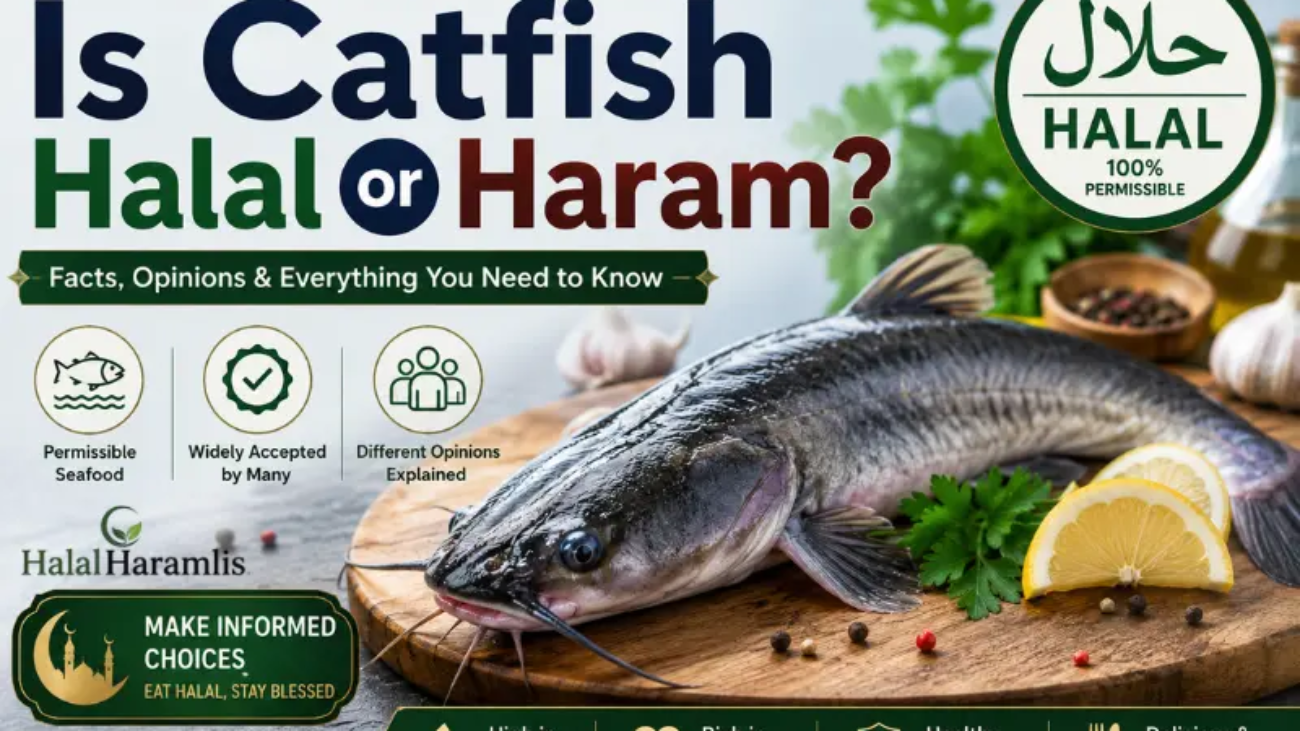
Is Catfish Halal or Haram? Catfish is generally considered halal and is widely consumed in many countries around the world. However, some people question its permissibility because of its feeding habits and bottom-dwelling nature. These concerns have led many individuals to search for answers to questions such as “Is Catfish Halal” and “why is catfish haram.” Understanding what catfish is, how it lives, and why opinions differ can help clear up much of the confusion surrounding this popular fish.
Catfish is one of the most popular freshwater fish consumed in many parts of the world. Its mild flavor, affordability, and versatility make it a common choice in homes and restaurants alike. However, many people still ask questions such as “Is Catfish Halal or Haram?” and “Is Catfish Halal?” before adding it to their diet.
The confusion often comes from the fish’s feeding habits and bottom-dwelling behavior. As a result, some individuals search for “why is catfish haram” to understand the concerns surrounding its consumption. This article explores the facts about catfish, the reasons behind the debate, its nutritional value, and other important information to help readers make an informed decision.
What Is Catfish?
Catfish is a type of fish recognized by the whisker-like barbels around its mouth. These barbels help the fish locate food, especially in muddy or low-visibility water. The fish gets its name because these barbels resemble the whiskers of a cat.
There are hundreds of catfish species found across the world. Some species live in freshwater environments such as rivers, lakes, ponds, and reservoirs, while others can survive in saltwater habitats. Catfish are highly adaptable and can thrive in a variety of aquatic conditions.
Because of its mild taste and tender texture, catfish is commonly used in fried, grilled, baked, steamed, and stewed dishes. It is also a popular choice for fish tacos, sandwiches, curries, and soups.
Common Characteristics of Catfish
| Feature | Description |
| Habitat | Freshwater and some saltwater environments |
| Appearance | Whisker-like barbels around the mouth |
| Diet | Omnivorous feeding habits |
| Taste | Mild and slightly sweet |
| Popularity | Widely consumed worldwide |
Types of Catfish
Some of the most common catfish varieties include:
- Channel Catfish
- Blue Catfish
- Flathead Catfish
- Walking Catfish
- African Catfish
- Mekong Giant Catfish
Each species differs in size, habitat, and feeding behavior, but they all belong to the catfish family.
Is Catfish Halal?
The question “Is Catfish Halal?” is frequently searched by people who want to better understand different seafood options.
Catfish is generally classified as a fish and is commonly accepted as halal by many consumers worldwide. Since it spends its life in water and belongs to the fish family, it is often grouped alongside other popular seafood choices such as salmon, tuna, cod, and tilapia.
Its widespread availability in seafood markets and restaurants has contributed to its popularity among people looking for affordable and nutritious fish options. Catfish farming has also increased significantly over the years, making it one of the most accessible fish products in many countries.
For many consumers, catfish is simply viewed as another fish species that can be included in a balanced diet. However, questions continue to arise because of certain characteristics associated with the fish.
Why Do Some People Ask “Why Is Catfish Haram?”
Many individuals search for “why is catfish haram” because they have heard concerns regarding the fish’s feeding behavior or living environment.
In most cases, these concerns are based on observations about the fish rather than its classification.
Feeding Habits
Catfish eat a variety of foods, including:
- Aquatic plants
- Insects
- Small fish
- Algae
- Organic matter found in water
- Crustaceans
- Worms
Because catfish can consume different types of food, some people become uncertain about whether it should be eaten.
Bottom-Dwelling Behavior
Catfish spend much of their time near the bottom of lakes, rivers, and ponds. They often search for food in areas where organic material accumulates.
Some people associate bottom-feeding fish with scavenging behavior, which often leads to questions about their suitability as food.
Cultural Beliefs
In certain communities, catfish is avoided due to local traditions and food preferences rather than any universal dietary rule. Cultural habits can strongly influence how people view specific foods.
Appearance
The unusual appearance of catfish, particularly its whiskers and broad head, sometimes causes people to question whether it differs significantly from other fish species.
Lack of Information
Many people simply want clarification before consuming a food item they are unfamiliar with, leading them to search for information online.
Common Reasons Behind the Debate
| Concern | Explanation |
| Feeding Habits | Catfish consume a wide variety of food sources. |
| Bottom Feeding | They spend significant time near the bottom of waterways. |
| Cultural Traditions | Some communities avoid catfish due to local customs. |
| Appearance | Its unique look raises questions among some consumers. |
| Misunderstanding | People may assume all scavenging fish are undesirable. |
| Lack of Information | Many consumers seek additional guidance before eating catfish. |
Catfish Compared With Other Popular Fish
Many people compare catfish with other commonly consumed fish before deciding whether to include it in their meals.
| Fish Type | Category | Popularity |
| Catfish | Fish | High |
| Salmon | Fish | High |
| Tuna | Fish | High |
| Tilapia | Fish | High |
| Cod | Fish | High |
| Haddock | Fish | Moderate |
| Mackerel | Fish | High |
Catfish is generally grouped with other popular fish species that are commonly sold around the world.
Comparison of Taste and Texture
| Fish Type | Flavor | Texture |
| Catfish | Mild | Tender |
| Salmon | Rich | Firm |
| Tuna | Meaty | Dense |
| Tilapia | Mild | Soft |
| Cod | Light | Flaky |
Catfish is often preferred by people who enjoy fish with a mild flavor that can easily absorb seasonings and marinades.
Nutritional Benefits of Catfish
Apart from discussions about whether catfish is halal or haram, it is also valued for its nutritional profile.
High in Protein
Catfish contains quality protein that supports:
- Muscle growth
- Tissue repair
- Daily body functions
- Recovery after physical activity
Low in Calories
Many catfish varieties are relatively low in calories, making them suitable for balanced meal plans and weight-conscious diets.
Rich in Important Nutrients
| Nutrient | Benefit |
| Vitamin B12 | Supports nerve health |
| Selenium | Helps protect cells |
| Phosphorus | Supports bones and teeth |
| Vitamin D | Contributes to overall wellness |
| Omega Fatty Acids | Supports heart health |
Supports a Balanced Diet
Catfish can be included in a healthy eating plan when prepared using nutritious cooking methods such as grilling, baking, steaming, or air frying.
Farm-Raised vs Wild Catfish
Consumers often compare farm-raised and wild catfish before making a purchase.
Farm-Raised Catfish
Benefits include:
- Consistent quality
- Controlled feeding
- Reliable availability
- Predictable size
Wild Catfish
Benefits include:
- Natural habitat
- Diverse diet
- Distinct flavor
- Greater variety
Comparison Table
| Feature | Farm-Raised Catfish | Wild Catfish |
| Environment | Controlled ponds | Natural waters |
| Availability | High | Seasonal |
| Flavor | Mild | Stronger |
| Cost | Usually affordable | Sometimes more expensive |
| Size Consistency | More predictable | Less predictable |
How Catfish Is Commonly Prepared
Catfish is one of the most versatile fish available and can be cooked in numerous ways.
Popular preparation methods include:
- Fried catfish
- Grilled catfish
- Baked catfish
- Smoked catfish
- Catfish curry
- Catfish stew
- Air-fried catfish
The mild flavor of catfish allows it to pair well with herbs, spices, vegetables, and sauces.
Factors to Consider Before Eating Catfish
When purchasing catfish, consider the following factors.
Freshness
Look for fish that has:
- Firm flesh
- Clear appearance
- Mild smell
- Proper packaging
Source
Knowing where the fish comes from can help you assess quality and freshness.
Storage
Proper refrigeration helps maintain freshness and food safety.
Cooking Method
Popular preparation methods include:
- Grilling
- Baking
- Steaming
- Air frying
Sustainability
Some consumers prefer catfish sourced from farms or fisheries that follow responsible environmental practices.
See Also
- Is Root Beer Halal or Haram?
- Is Vanilla Extract Halal or Haram?
- Are Skittles Halal or Haram?
- Are Oreos Halal or Haram?
FAQs
Is Catfish Halal or Haram?
Catfish is generally considered halal and is commonly consumed in many parts of the world.
Is Catfish Halal?
Yes, catfish is widely regarded as a halal seafood option by many consumers.
Why Is Catfish Haram According to Some People?
Some people question catfish because of its feeding habits, bottom-dwelling behavior, appearance, or local traditions.
Is Farm-Raised Catfish Different From Wild Catfish?
Yes. Farm-raised catfish are raised in controlled environments, while wild catfish live in natural waterways.
Is Catfish Healthy?
Catfish contains protein, vitamins, minerals, and beneficial fatty acids that can support a balanced diet.
What Does Catfish Taste Like?
Catfish has a mild flavor and tender texture, making it suitable for a variety of recipes.
Is Catfish a Freshwater Fish?
Most catfish species live in freshwater environments, although some species can tolerate saltwater conditions.
Why Is Catfish So Popular?
Catfish is popular because it is affordable, widely available, easy to cook, and has a mild flavor.
Does Catfish Have a Strong Fishy Taste?
No. Catfish generally has a mild taste compared to many other seafood options.
Can Catfish Be Grilled?
Yes. Grilling is one of the most popular ways to prepare catfish.
Is Catfish High in Protein?
Yes. Catfish is an excellent source of protein and can help support muscle maintenance and overall health.
What Nutrients Are Found in Catfish?
Catfish contains protein, vitamin B12, selenium, phosphorus, vitamin D, and omega fatty acids.
Conclusion
The question “Is Catfish Halal or Haram?” continues to attract attention because many consumers want to make informed food choices. Catfish is widely consumed around the world and is generally regarded as a popular seafood option. While concerns about feeding habits and bottom-dwelling behavior often lead people to search for “why is catfish haram,” catfish remains one of the most commonly eaten fish species globally.
Understanding its characteristics, habitat, nutritional benefits, and the reasons behind the debate can help individuals make a more informed decision. Whether farm-raised or wild-caught, catfish continues to be a widely available and nutritious seafood choice enjoyed by millions of people across different cultures and regions.